In the high-precision world of computer numerical control (CNC) engraving, every micron of movement matters. While spindle motors, linear guides, and sophisticated software often capture the spotlight, a humble yet indispensable component silently ensures the entire system's reliability, safety, and accuracy: the proximity switch sensor. This article delves into the fundamental functions, operational principles, and critical importance of these sensors within modern CNC engraving machinery.
At its core, a proximity sensor is a non-contact electronic device designed to detect the presence or absence of a target object within a specified range without any physical contact. In CNC engraving machines, these sensors are strategically deployed to perform several vital roles. The most common application is homing and limit switching. Before any machining operation begins, the machine must establish a known reference point, or "home" position, for each axis (X, Y, and Z). Inductive or capacitive proximity sensors are mounted at the extremities of the machine's travel path. When the machine carriage or spindle moves, a metal target (often a simple tab) attached to it approaches the sensor. Upon detection, the sensor sends an instantaneous electrical signal to the machine's controller, precisely defining the limit of travel or the home coordinate. This process is crucial for calibrating the machine's coordinate system, ensuring that every cut, drill, or engrave starts from an absolutely known position, thereby eliminating cumulative positional errors.
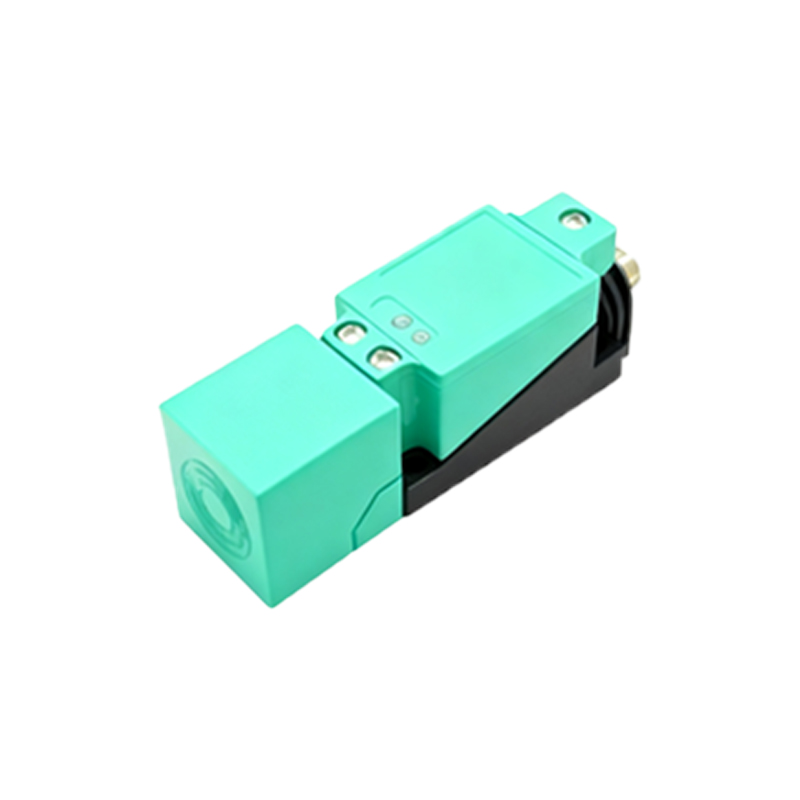
Beyond homing, these sensors act as vigilant sentinels for over-travel protection. Mechanical failures, programming errors, or software glitches could potentially drive a machine axis beyond its physical boundaries, leading to catastrophic collisions, damage to expensive tooling, or even harm to the workpiece. Proximity sensors installed as hard limits provide a fail-safe mechanism. If a moving part approaches a limit sensor during normal operation—a clear sign of malfunction—the sensor triggers an immediate emergency stop, halting all motion and preventing damage. This protective function is paramount for operational safety and equipment longevity.
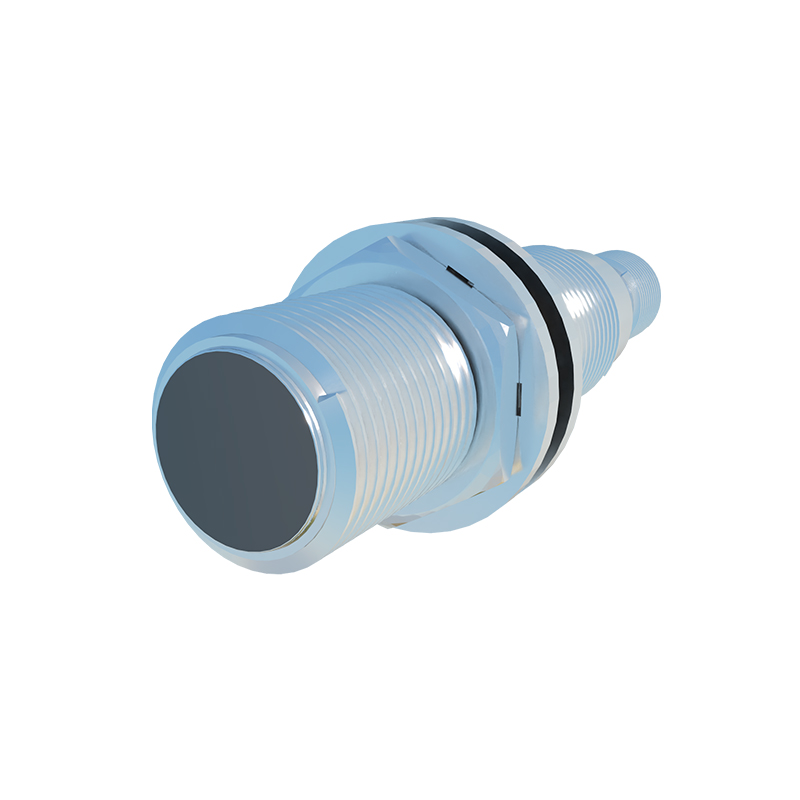
Another sophisticated application involves tool setting and tool length measurement. Advanced engraving machines may employ highly precise sensors to automatically measure tool length or detect tool breakage. As a tool rotates and approaches the sensor, the detection event is logged with extreme accuracy. Any deviation from the expected tool length can indicate wear or breakage, allowing the system to alert the operator or automatically compensate, thus maintaining consistent machining quality and preventing the use of a damaged tool that could ruin a workpiece.
The choice of sensor technology is dictated by the application. Inductive proximity sensors are the workhorses for detecting metallic objects like aluminum or steel machine parts. They generate an electromagnetic field; when a conductive metal enters this field, it induces eddy currents, causing a change in the sensor's oscillation amplitude, which is then converted into a switch signal. For non-metallic materials, such as detecting the presence of a plastic workpiece holder or a composite material, capacitive proximity sensors are used. These sensors can detect both metallic and non-metallic objects by sensing changes in capacitance caused by the target's dielectric properties.
The integration of these sensors into the machine's control logic is seamless yet critical. Their digital output—typically a clean PNP or NPN transistor signal—interfaces directly with the CNC controller's input module. The speed of response, often in microseconds, and their exceptional repeatability (the ability to consistently detect an object at the exact same position) are what make them ideal for high-speed, repetitive engraving tasks. Their non-contact nature eliminates mechanical wear, ensuring a long operational life with minimal maintenance, a significant advantage over traditional mechanical limit switches.
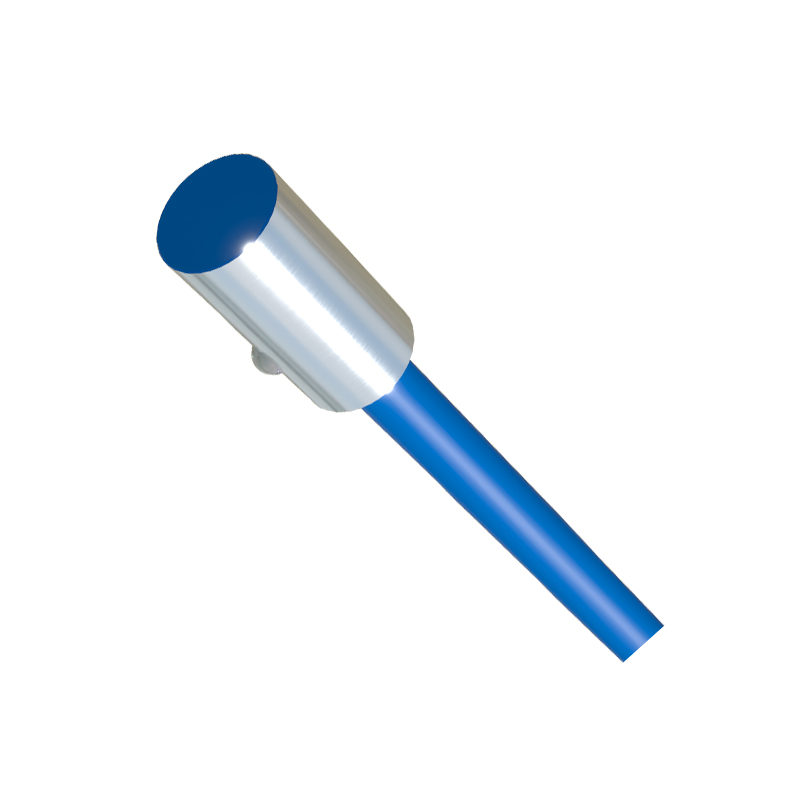
In conclusion, proximity switch sensors are the unsung heroes of CNC engraving machine automation. They provide the essential eyes for the machine's brain—the CNC controller—enabling precise positional reference, robust safety interlocks, and sophisticated tool management. Their reliable operation forms the foundational layer of trust upon which precision machining is built. Neglecting their importance or opting for substandard sensors can lead to decreased accuracy, increased downtime, and costly repairs. For any engineer, technician, or operator in the field, a deep understanding of these components is not merely academic; it is fundamental to achieving and sustaining peak engraving performance, ensuring that intricate designs are translated from digital files into physical masterpieces with flawless fidelity and unwavering consistency.