Proximity sensors are integral components in modern automatic door systems, providing reliable detection and control to ensure safe, efficient operation. These sensors detect the presence or absence of objects within a specified range without physical contact, using various technologies such as inductive, capacitive, ultrasonic, and infrared methods. In automatic doors, proximity sensors primarily serve to trigger opening and closing sequences, prevent collisions, and optimize energy usage.
Inductive proximity sensors are commonly used in metal-detection scenarios, ideal for industrial settings where doors must respond to forklifts or machinery. They generate an electromagnetic field, detecting metallic objects by changes in inductance. Capacitive sensors, on the other hand, can detect both metallic and non-metallic materials, including liquids or human bodies, making them suitable for public access doors in commercial buildings. Ultrasonic sensors emit high-frequency sound waves and measure reflection times to determine object distance, offering precise detection even in low-light conditions. Infrared sensors use light beams to sense motion or heat, often employed in pedestrian doors for quick response to approaching individuals.
The implementation of proximity sensors in automatic doors significantly enhances safety. By continuously monitoring the door's path, these sensors can halt or reverse closing motions if an obstacle is detected, reducing the risk of entrapment or injury. This is particularly crucial in high-traffic areas like hospitals, airports, and shopping malls, where diverse users, including children and elderly individuals, may move unpredictably. Advanced systems integrate multiple sensor types to create redundancy, ensuring fail-safe operation even if one sensor malfunctions. For instance, a combination of infrared and ultrasonic sensors can cover blind spots, providing comprehensive coverage.
Efficiency gains are another key benefit. Proximity sensors enable doors to operate only when needed, minimizing unnecessary openings that lead to energy loss through heating or cooling systems. In climate-controlled environments, this contributes to substantial energy savings and reduced operational costs. Moreover, sensors with adjustable sensitivity and range settings allow customization based on door size, location, and usage patterns. For example, in warehouse settings, sensors can be calibrated to ignore small debris while responding to larger vehicles, preventing false triggers and wear on door mechanisms.
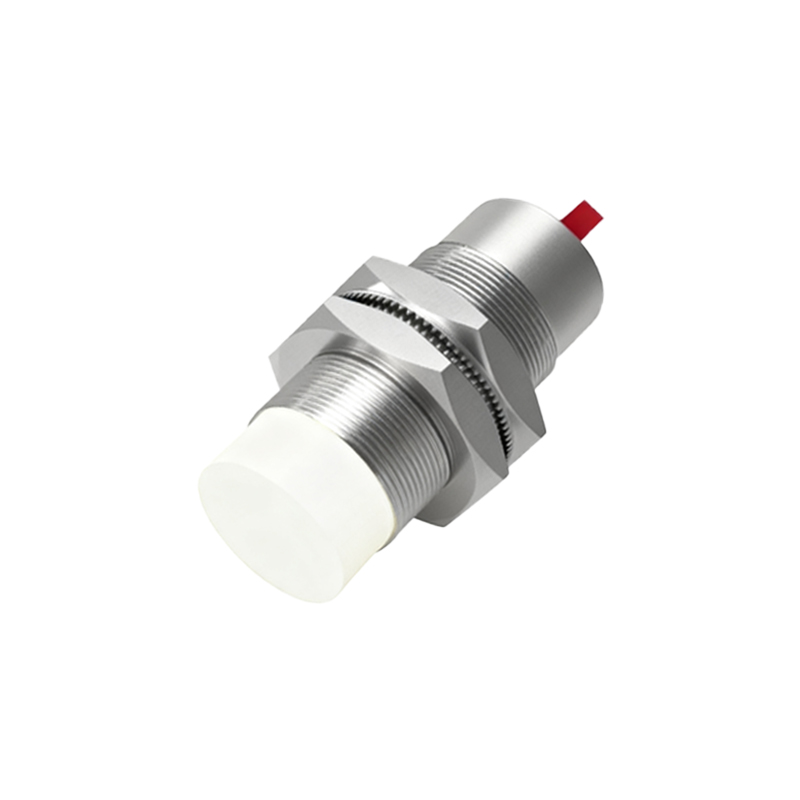
Installation and maintenance considerations are vital for optimal performance. Proximity sensors must be positioned correctly to avoid interference from environmental factors like metal structures, electrical noise, or reflective surfaces. Regular calibration and cleaning are necessary to maintain accuracy, as dust, moisture, or physical damage can impair sensor functionality. Modern sensors often feature self-diagnostic capabilities, alerting technicians to issues such as signal degradation or alignment errors, facilitating proactive maintenance.
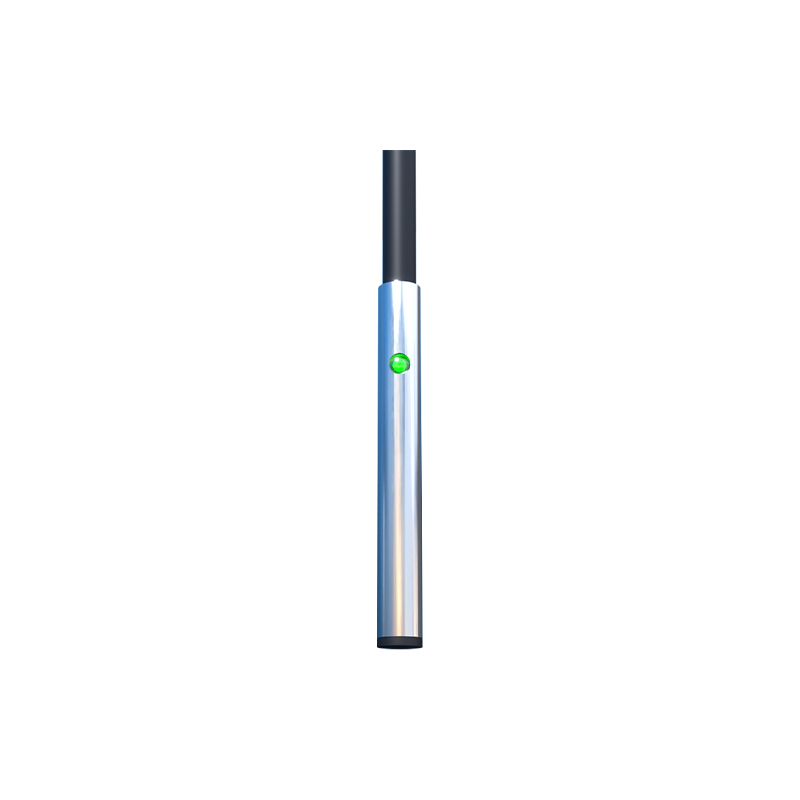
Industry trends are driving innovation in proximity sensor technology for automatic doors. The rise of smart buildings and IoT integration allows sensors to connect to centralized management systems, enabling remote monitoring, data analytics, and predictive maintenance. For instance, sensors can collect data on door usage patterns to optimize traffic flow or schedule maintenance during off-peak hours. Additionally, developments in miniaturization and power efficiency are leading to more compact, battery-operated sensors, expanding application possibilities in retrofitting older door systems.
In summary, proximity sensors are essential for the reliable and safe operation of automatic doors across various sectors. By leveraging different detection technologies, these sensors enhance user safety, improve energy efficiency, and adapt to diverse environmental conditions. As technology advances, their integration with smart systems promises even greater functionality, making automatic doors more responsive and sustainable. Professionals in the electrical and automation industries should stay informed about these developments to implement best practices in design, installation, and maintenance.