In the realm of industrial automation, the reliability and precision of sensing components are paramount. Among the diverse array of sensors available, inductive proximity switches hold a critical position for non-contact detection of metallic objects. The M18KN10 model stands as a prominent example within this category, engineered to deliver consistent performance in demanding environments. This article delves into the technical specifications, operational principles, application scenarios, and key advantages of the M18KN10 proximity sensor.
The M18KN10 is an inductive proximity sensor with an 18mm cylindrical threaded housing, a standard form factor (M18 x 1) that facilitates easy installation in various industrial fixtures and machinery. The "KN" designation typically refers to a specific series or output configuration, often indicating a DC 3-wire design with a Normally Open (NO) or Normally Closed (NC) switching function, and a sensing distance of 10mm. It is crucial for engineers and technicians to verify the exact datasheet from the manufacturer, as coding conventions can vary. These sensors are predominantly designed to detect ferrous metals (like steel and iron) at the rated sensing distance, with a reduced sensing range for non-ferrous metals such as aluminum or copper.
At its core, the M18KN10 operates on the principle of electromagnetic induction. The sensor's face contains a coil that is part of an oscillating circuit. When a metallic object enters the sensor's active magnetic field, eddy currents are induced in the target. This causes a change in the oscillation amplitude or frequency within the sensor's circuit. An integrated evaluation circuit detects this change and triggers a solid-state switch (typically an NPN or PNP transistor output), changing the state of the output signal. This entire process occurs without any physical contact, eliminating mechanical wear and ensuring a long operational lifespan.
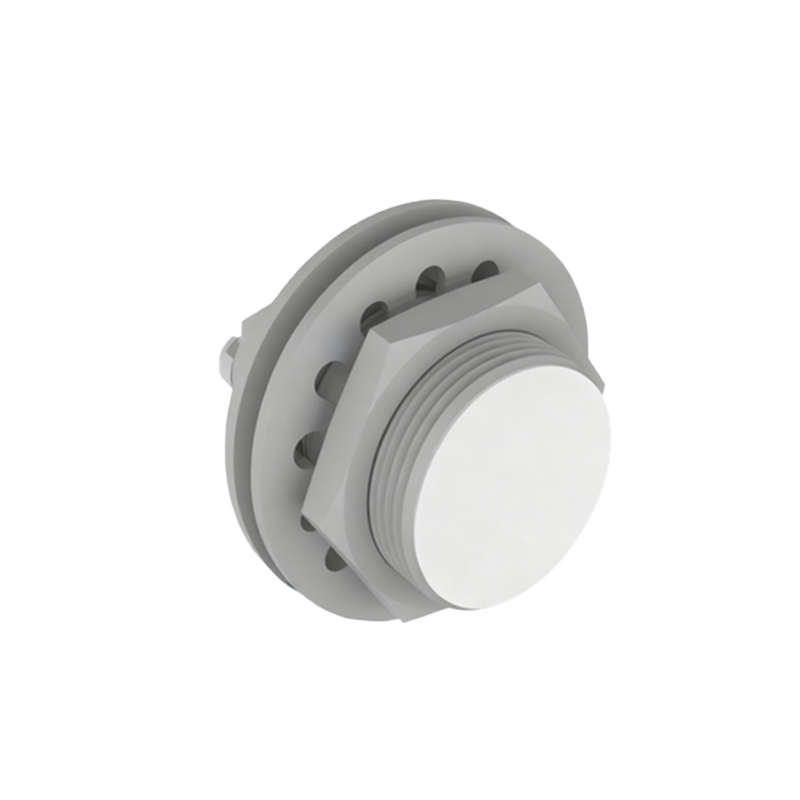
The technical robustness of the M18KN10 is evident in its standard features. It commonly offers a switching frequency high enough for fast-paced production lines, ensuring rapid response to object detection. Built-in protection against short-circuit, reverse polarity, and overload is typical, safeguarding the sensor and the control system. Many models in this category also feature an LED status indicator for visual confirmation of power and output switching. The housing is usually constructed from nickel-plated brass or stainless steel, providing excellent resistance to oils, coolants, and mild industrial chemicals, with ingress protection ratings like IP67 or IP68, making it suitable for use in wash-down areas or dusty environments.
Application areas for the M18KN10 are vast across factory automation. It is extensively used for position sensing—detecting the presence or absence of a metal part on a conveyor, verifying if a cylinder has reached its end position, or confirming the closure of a metal door or guard. In machine tools, these sensors count metal components, control sequencing, and act as end stops. They are also integral in packaging machinery, automotive assembly lines, and material handling systems. Their non-contact nature makes them ideal for applications involving high-speed or fragile objects where physical limit switches would fail.
When selecting and installing the M18KN10, several best practices ensure optimal performance. First, confirm the required sensing distance and target material. The 10mm rating is for standard steel; for other metals, a derating factor must be applied. Second, ensure correct wiring according to the datasheet (brown wire to DC+, blue wire to DC-, black wire as the switched output). Pay attention to whether an NPN (sinking) or PNP (sourcing) output is required to interface correctly with your PLC or controller. Mounting is straightforward using the M18 thread, but care should be taken to avoid mounting multiple sensors too close to each other to prevent mutual interference. Additionally, ensure the target approaches the sensing face perpendicularly for the most reliable detection.
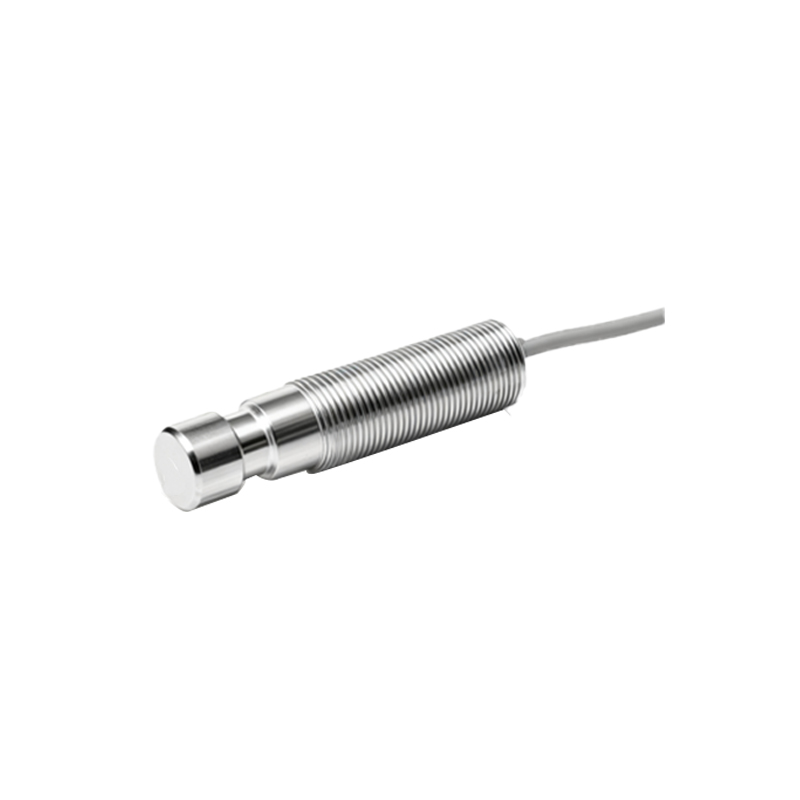
In comparison to other sensing technologies like capacitive, ultrasonic, or photoelectric sensors, the inductive M18KN10 excels specifically in metal-detection scenarios due to its high precision, immunity to environmental factors like dust, steam, or ambient light, and its simple, rugged construction. Its primary limitation is its exclusive sensitivity to metals.

In conclusion, the M18KN10 proximity sensor represents a workhorse component in industrial electrical and control systems. Its design balances durability, accuracy, and ease of use. By understanding its operating principles and application guidelines, maintenance engineers, system integrators, and plant managers can effectively deploy this sensor to enhance machine reliability, automate processes, and minimize downtime. Always refer to the official manufacturer's documentation for the precise specifications, wiring diagrams, and installation guidelines pertaining to your specific M18KN10 model.