In the demanding world of industrial automation and process control, the ability to monitor and detect objects in extreme environments is paramount. High-temperature proximity sensors are specialized devices engineered to perform reliably in conditions where conventional sensors would fail. These sensors are critical components in industries such as metal processing, glass manufacturing, automotive production, and aerospace, where ambient temperatures can routinely exceed standard operational limits.
The core technology behind these robust sensors varies, with inductive, capacitive, and magnetic models being the most prevalent. Inductive proximity sensors, for instance, are widely used for detecting metallic objects. High-temperature variants of these sensors are constructed with specialized materials for their coils, housings, and electronics. The sensing face is often made from high-temperature-resistant polymers or ceramics, while the body may utilize PEEK (Polyether Ether Ketone) or stainless-steel alloys designed to withstand thermal expansion and continuous exposure to heat.
Key specifications define the suitability of a model for a given application. The maximum ambient operating temperature is the most critical parameter. Standard industrial sensors typically operate up to 70°C (158°F). In contrast, high-temperature models are available in ranges extending from 120°C (248°F) to over 200°C (392°F), with some specialized units capable of surviving brief exposures to even higher temperatures. Other vital specifications include sensing distance, which may be slightly reduced in high-temperature models due to material properties, response frequency, output type (PNP/NPN, analog, IO-Link), and protection ratings (IP67, IP69K).
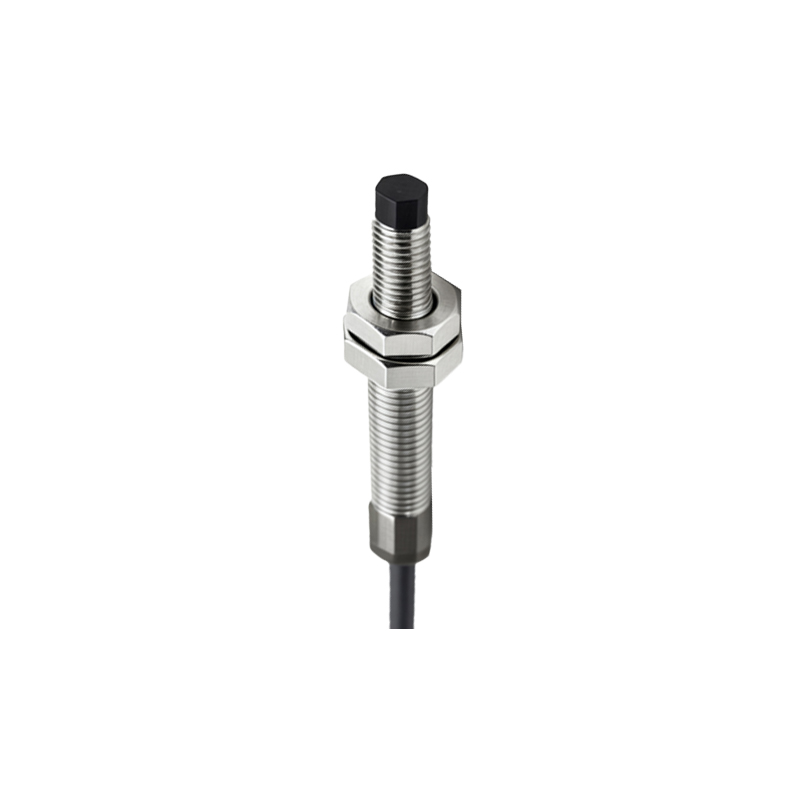
Leading manufacturers offer distinct series tailored for harsh thermal environments. For example, models like the HTI Series from one manufacturer might feature an all-welded stainless-steel housing and integrated high-temperature cables, rated for continuous operation at 150°C. Another series, such as the XHT line, could utilize advanced ceramic sensing faces and proprietary ASICs (Application-Specific Integrated Circuits) to maintain stable switching points despite thermal drift, enabling use in foundries near molten metal.
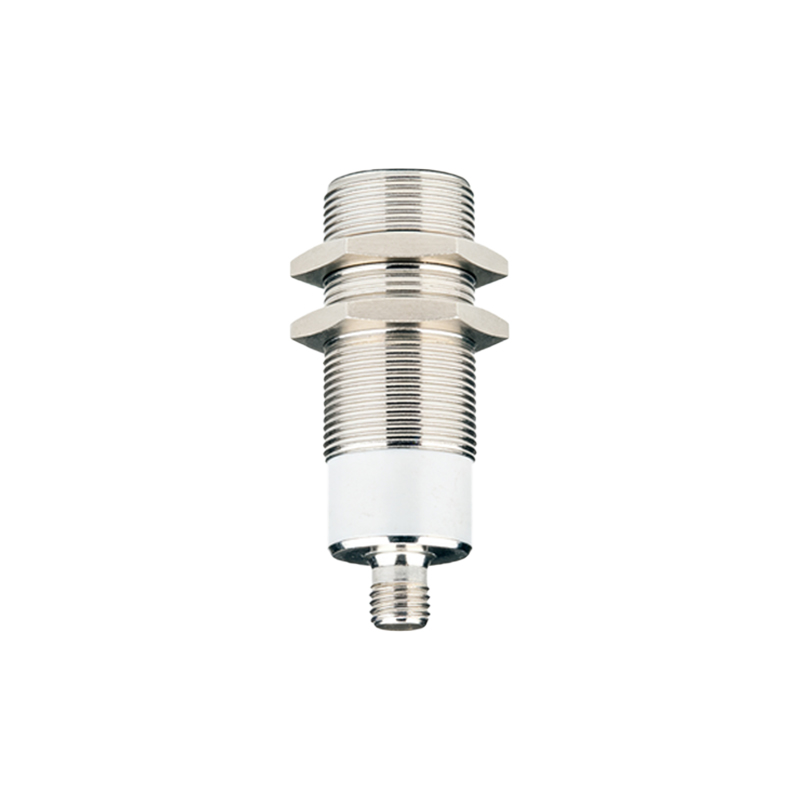
The selection process for the correct sensor model involves a thorough analysis of the application. Engineers must consider not only the ambient temperature but also the target object's temperature, the presence of thermal cycling, and potential thermal shock from cooling fluids or sudden environmental changes. The installation method is equally crucial; sensors should be mounted to minimize direct radiant heat exposure and to allow for natural heat dissipation. In some cases, auxiliary cooling systems or thermal barriers may be necessary to protect the sensor's electronics.
Maintenance and longevity are significant advantages of modern high-temperature proximity sensors. Their design focuses on resilience, reducing downtime in critical processes. However, it is essential to follow manufacturer guidelines for installation and operation. Exceeding the specified temperature ratings, even momentarily, can lead to premature failure, signal instability, or permanent damage to the internal oscillator and amplification circuits.
Future trends in this niche are geared towards smarter, more integrated solutions. The incorporation of IO-Link communication allows for detailed condition monitoring, enabling predictive maintenance by reporting temperature data and operational status. Furthermore, advancements in materials science promise sensors that can endure even more extreme conditions while offering extended sensing ranges and miniaturized form factors.
In conclusion, selecting the appropriate high-temperature proximity sensor model is a precise engineering decision that directly impacts system reliability, safety, and efficiency. By understanding the technology, key specifications, and application demands, engineers can ensure robust performance in the most thermally challenging industrial settings.