Proximity limit switch sensors, often simply called proximity sensors, are non-contact electronic devices widely utilized in industrial automation for position detection, object counting, and machinery safety. Unlike mechanical limit switches that require physical contact, proximity sensors detect the presence or absence of a target object within a specified sensing range without any direct touch. This fundamental characteristic grants them superior durability, reliability, and speed, making them indispensable in modern manufacturing, packaging, material handling, and automotive assembly lines.
The core working principle revolves around the generation of an electromagnetic field or beam from the sensor's active face. When a metallic or, in some types, non-metallic target enters this field, it causes a detectable change in the field's properties. This change is processed by the sensor's internal oscillator, trigger circuit, and output switching device. The most common technologies are Inductive, Capacitive, and Magnetic (Reed or Hall Effect).
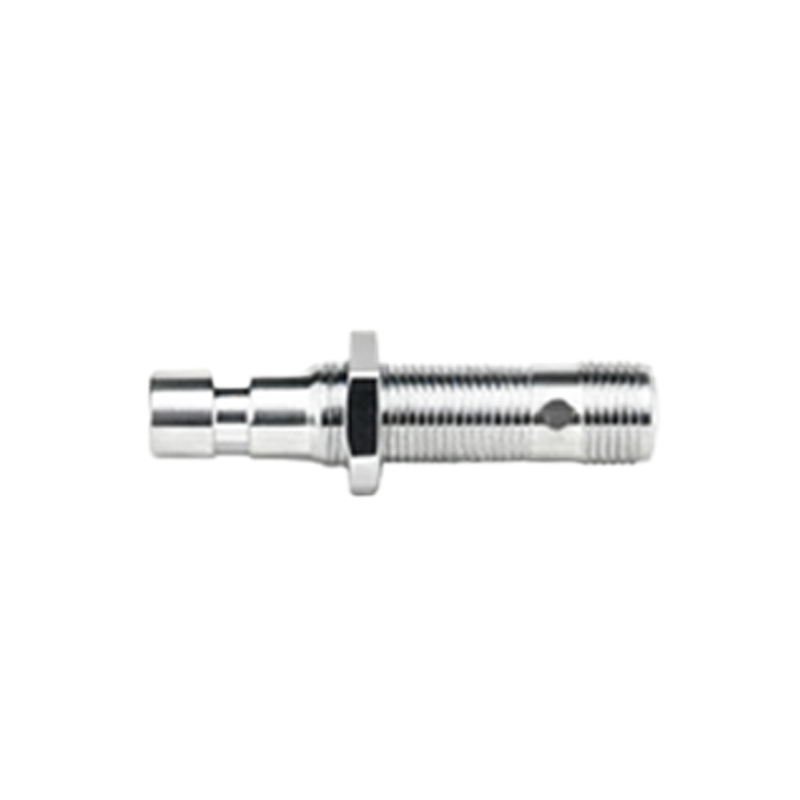
Inductive proximity sensors are the most prevalent type for detecting metallic objects, primarily ferrous metals like steel and iron. The sensor contains a coil wound around a ferrite core connected to an oscillator. The oscillator generates a high-frequency alternating electromagnetic field at the sensing face. When a conductive metal target enters this field, eddy currents are induced on the target's surface. These eddy currents draw energy from the oscillator, causing its amplitude to decrease. The sensor's detection circuit monitors this amplitude drop. Once the decrease reaches a predetermined threshold, the circuit triggers a solid-state switch (typically an NPN or PNP transistor) to change state, providing a digital ON/OFF signal to the controller (PLC). The sensing range, or "rated operating distance," is standardized and depends on the sensor's size and design. A key advantage is that only metallic objects cause this effect, making them immune to dust, oil, and most non-conductive materials.
Capacitive proximity sensors can detect both metallic and non-metallic materials, such as plastics, glass, wood, liquids, and granules. They operate by generating an electrostatic field. The sensor acts as one plate of a capacitor, with the target object acting as the other plate. The internal circuit measures the capacitance between the sensor face and the ground. When any material with a different dielectric constant than air approaches, it alters the capacitance of the system. This change is detected, and the output switches accordingly. They are ideal for applications like liquid level detection in non-metallic tanks or detecting filled plastic bottles on a conveyor.
Magnetic proximity sensors, including Reed switches and Hall Effect sensors, detect the presence of a permanent magnet. Reed switches contain two ferromagnetic reeds sealed in a glass tube filled with inert gas. When a magnet approaches, the reeds magnetize and attract each other, making contact to close the circuit. Hall Effect sensors use a semiconductor element that produces a voltage (the Hall voltage) when exposed to a magnetic field. Both types are highly reliable for position sensing in cylinders (piston position detection) or in safety door interlocks.
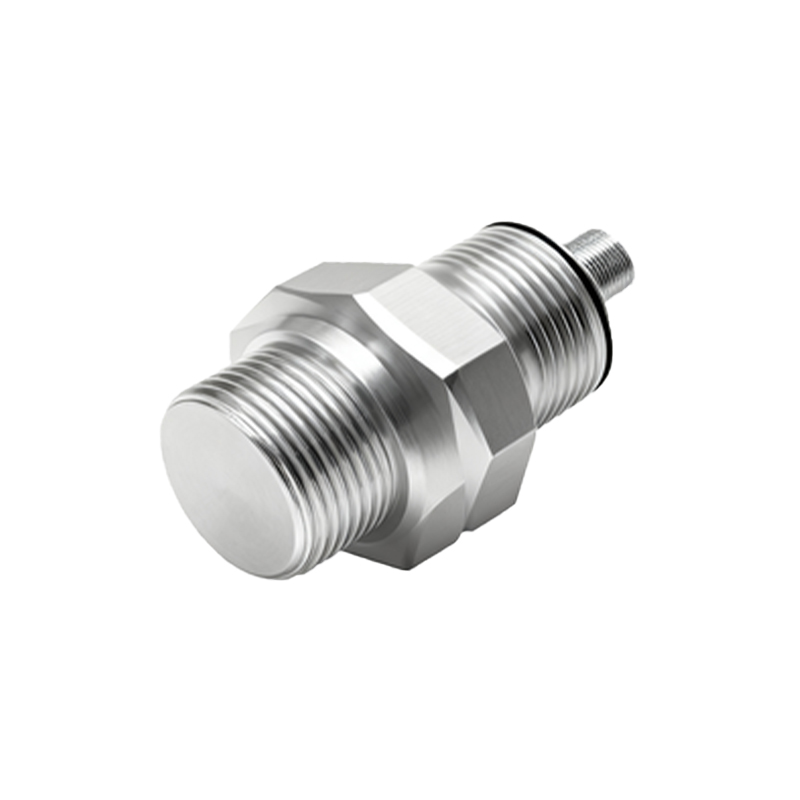
Key performance specifications include the sensing distance, repeat accuracy, response frequency (how quickly it can detect objects passing by), and environmental ratings like IP67 for dust and water resistance. Installation requires careful consideration of mounting (flush or non-flush), surrounding metal ("side-by-side" mounting distances), and temperature ranges. The output is typically a DC voltage signal (e.g., 10-30V DC) compatible with PLC digital input modules.
In application, a common example is on a machining center. Inductive sensors verify the home position of a tool changer or detect if a metal workpiece is correctly clamped. On a bottling line, capacitive sensors ensure plastic bottles are present before filling. Magnetic sensors confirm the extended or retracted position of pneumatic cylinder rods. Their non-contact nature eliminates mechanical wear, ensures millions of operation cycles, and enables high-speed detection critical for productivity and precision. Troubleshooting often involves checking power supply, alignment, target size/material, and environmental interference from welding equipment or strong electromagnetic fields.
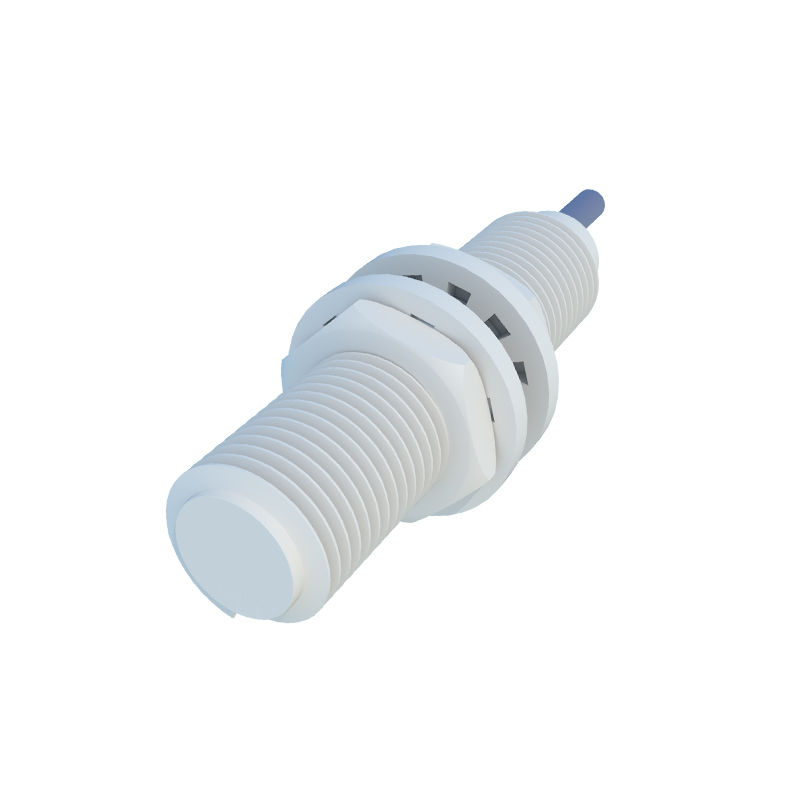
In summary, proximity limit switch sensors are foundational components in automation, translating physical presence into actionable electrical signals through elegant electromagnetic principles. Their selection hinges on the target material, required sensing distance, environmental conditions, and electrical interface, ensuring robust and maintenance-free operation in demanding industrial landscapes.