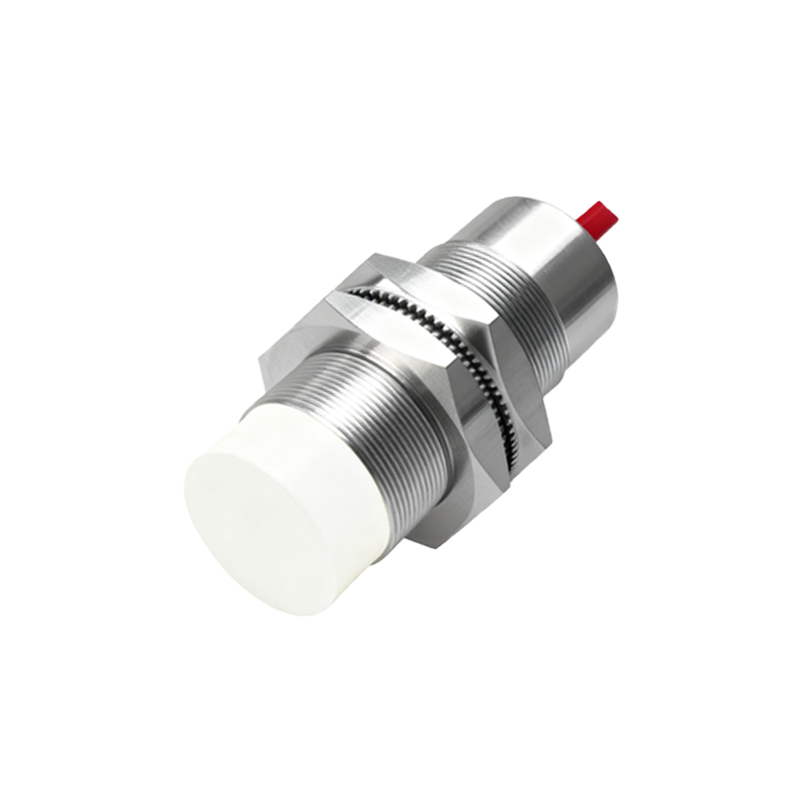
In the dynamic landscape of industrial automation, proximity sensors stand as critical components for ensuring precision, safety, and efficiency. Among these, metal proximity sensors are particularly vital, detecting the presence or absence of metallic objects without physical contact. While off-the-shelf sensors serve many applications, the push for optimized, high-volume production lines increasingly demands custom-engineered solutions. Batch customization of these sensors is not merely a luxury but a strategic necessity for manufacturers aiming to achieve peak operational performance.
The core advantage of batch customizing metal proximity sensors lies in achieving a perfect alignment with specific application parameters. Standard sensors are designed for general use, which can lead to compromises in detection range, response time, housing material, or output configuration. In contrast, a customized batch allows engineers to specify exact requirements. This includes tailoring the sensing distance to millimeter precision for a unique robotic arm path, selecting a specific housing material like stainless steel or PBT to withstand extreme temperatures or corrosive washdowns in food processing, or defining a particular output type (PNP/NPN, NO/NC, analog, or IO-Link) to integrate seamlessly with existing PLC architectures. This level of specificity eliminates adaptation kits, reduces installation complexity, and minimizes the risk of sensor failure due to environmental mismatch.
The process of batch customization begins with a deep-dive collaborative phase between the sensor manufacturer's engineering team and the client's technical staff. This involves a thorough analysis of the operating environment—factors such as ambient temperature fluctuations, exposure to oils/coolants, potential electromagnetic interference, and required ingress protection (IP) ratings. The target metal type is also crucial; adjustments in oscillator frequency and coil design can optimize detection for different metals like mild steel, stainless steel, aluminum, or copper. For instance, sensing aluminum typically requires a reduced nominal sensing distance compared to steel, a parameter that can be pre-calibrated in a custom batch.
From a production and economic standpoint, ordering customized sensors in bulk offers significant long-term benefits. While the initial unit cost in a custom batch may be higher than a standard sensor, the Total Cost of Ownership (TCO) is often substantially lower. This is realized through reduced downtime (thanks to higher reliability), decreased maintenance needs, and the elimination of costly workarounds. Furthermore, bulk ordering ensures consistency. Every sensor in the batch is identical, guaranteeing uniform performance across hundreds or thousands of points on an assembly line. This consistency is paramount for quality control and data integrity in Industry 4.0 applications where sensor data directly feeds into analytics platforms.
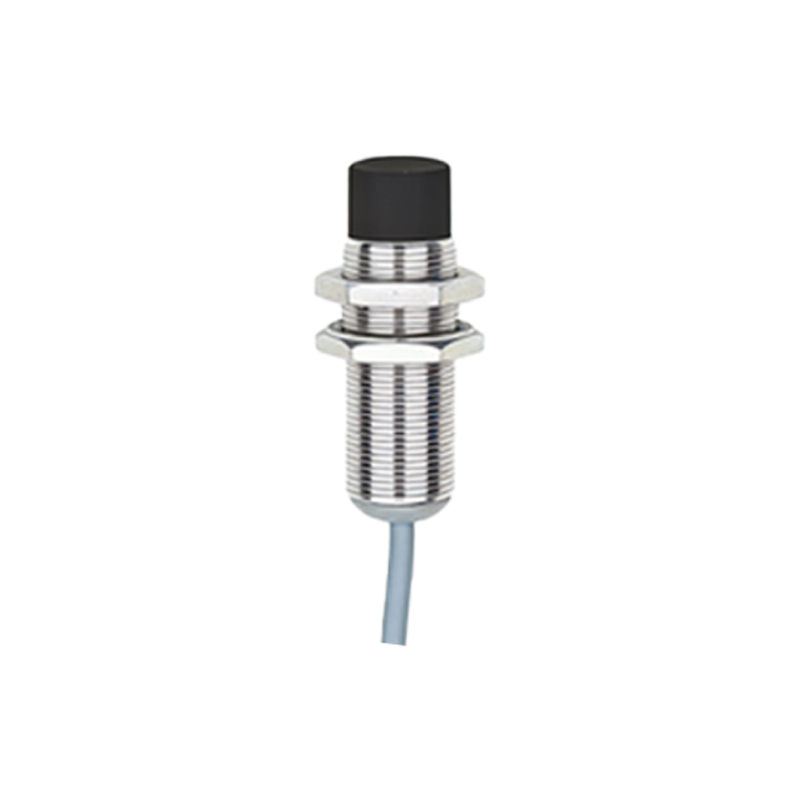
The technological enablers for efficient batch customization are advanced. Modern manufacturing utilizes flexible production lines and modular design principles. Engineers work with digital twins and simulation software to prototype sensor behavior before physical production. The use of standardized, yet configurable, internal components (oscillator circuits, amplifier chips, coil geometries) allows for rapid reconfiguration to meet custom specs without reinventing the wheel for each order. This agility enables manufacturers to offer competitive lead times even for specialized batches.
In conclusion, the batch customization of metal proximity sensors represents a sophisticated approach to industrial automation. It moves beyond the one-size-fits-all mentality, offering a engineered solution that enhances machine reliability, optimizes production throughput, and contributes to a leaner, more intelligent factory floor. For OEMs and end-users operating at scale, investing in a custom batch is an investment in precision, resilience, and long-term operational excellence. The collaboration it fosters between user and supplier ultimately drives innovation, pushing the boundaries of what automated sensing can achieve in modern manufacturing.