In the intricate world of industrial automation and process control, the reliable detection of objects, materials, and positions is paramount. Among the diverse array of sensing technologies available, probe-type proximity sensors stand out for their unique combination of precision, durability, and versatility. These sensors, characterized by their elongated, often cylindrical sensing probe, offer distinct advantages that make them indispensable in numerous challenging environments. This article delves into the core benefits of utilizing probe-type proximity sensors.
One of the most significant advantages of probe-type proximity sensors is their exceptional ability to detect objects in confined or hard-to-reach spaces. The slender, extended probe design allows for installation in locations where standard barrel-shaped sensors simply cannot fit. For instance, they are ideal for monitoring the presence of small components inside machinery, checking for the correct insertion of pins or probes in assemblies, or detecting the level of granular or powdered materials through a narrow vessel wall. This spatial efficiency enables engineers to solve complex sensing problems without redesigning entire machine layouts.
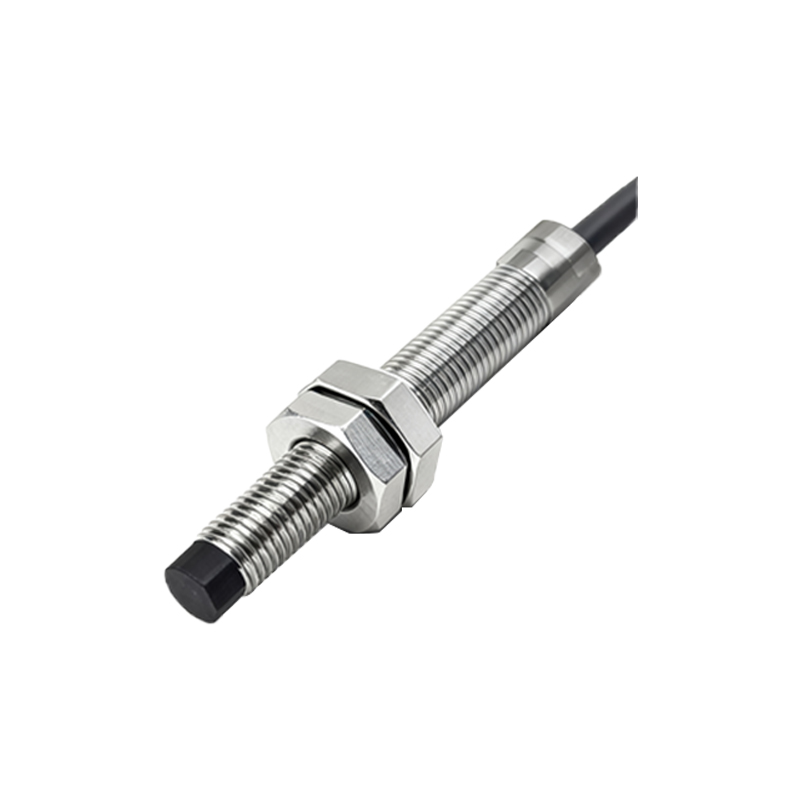
Furthermore, probe-type sensors excel in applications requiring precise point detection. The sensing area is typically concentrated at the tip of the probe, providing a highly localized detection field. This precision minimizes the risk of false triggers from nearby objects or the surrounding machinery structure. In high-speed assembly lines, for example, this accuracy ensures that only the correct part in the correct position is registered, directly contributing to improved product quality and reduced waste. The ability to target a specific, small area is a critical feature for tasks like edge detection on thin materials or verifying the presence of a specific feature on a component.
Durability and resilience are hallmarks of a well-designed probe-type proximity sensor. Many models are constructed with robust materials such as stainless steel for the probe body, offering excellent resistance to physical impact, abrasion, and harsh chemicals. This rugged construction allows them to perform reliably in demanding conditions found in metalworking, automotive manufacturing, and food processing industries. The sealed designs often meet high Ingress Protection (IP) ratings, safeguarding internal electronics from dust, moisture, and washdown procedures, thereby ensuring long-term operational stability and reducing maintenance downtime.
The versatility in sensing different materials is another key strength. Depending on the underlying technology—commonly inductive, capacitive, or ultrasonic—probe-type sensors can be tailored to specific needs. Inductive probes are champions in metal detection, perfect for sensing ferrous and non-ferrous metals in machinery. Capacitive probes, on the other hand, can detect a wide range of materials including liquids, plastics, wood, and glass, making them ideal for level detection or presence sensing of non-metallic objects. This material flexibility allows a single sensor form factor to address a broad spectrum of application challenges.
Finally, the installation and integration of probe-type proximity sensors are typically straightforward. Their threaded housings or mounting brackets facilitate secure and stable attachment. Many models feature standard electrical outputs (e.g., PNP/NPN, analog) and connections (e.g., M8, M12 connectors), ensuring seamless compatibility with Programmable Logic Controllers (PLCs) and other industrial control systems. This ease of integration speeds up deployment and simplifies system troubleshooting.
In conclusion, probe-type proximity sensors offer a powerful solution set for modern industrial sensing. Their ability to operate in confined spaces, deliver precise point detection, withstand harsh environments, adapt to various materials, and integrate easily into control systems makes them a valuable asset for engineers. By selecting the appropriate probe-type sensor for a given application, businesses can achieve higher levels of automation reliability, efficiency, and quality control.