In the realm of industrial automation, the seamless integration of relay modules and proximity sensors forms a cornerstone of efficient and reliable control systems. As an experienced electrical engineer, I have witnessed firsthand how these components, when properly selected and configured, can significantly enhance operational safety, precision, and productivity. This article delves into their functionalities, synergy, and practical applications, adhering to industry standards and best practices.
Relay modules serve as critical intermediaries between low-power control circuits and high-power loads. Essentially, they are electromechanical or solid-state switches activated by an electrical signal from a controller, such as a PLC (Programmable Logic Controller) or a microcontroller. Their primary role is to isolate the control circuit from the load circuit, protecting sensitive electronics from high voltages and currents. Modern relay modules often feature multiple channels, LED status indicators, and opto-isolation for enhanced safety. Key parameters for selection include coil voltage (commonly 5V, 12V, or 24V DC), contact rating (the maximum current and voltage the relay can switch), and contact configuration (SPST, SPDT, DPDT). For instance, a 24V DC coil relay with a 10A/250V AC contact rating is typical for controlling motors or heaters.
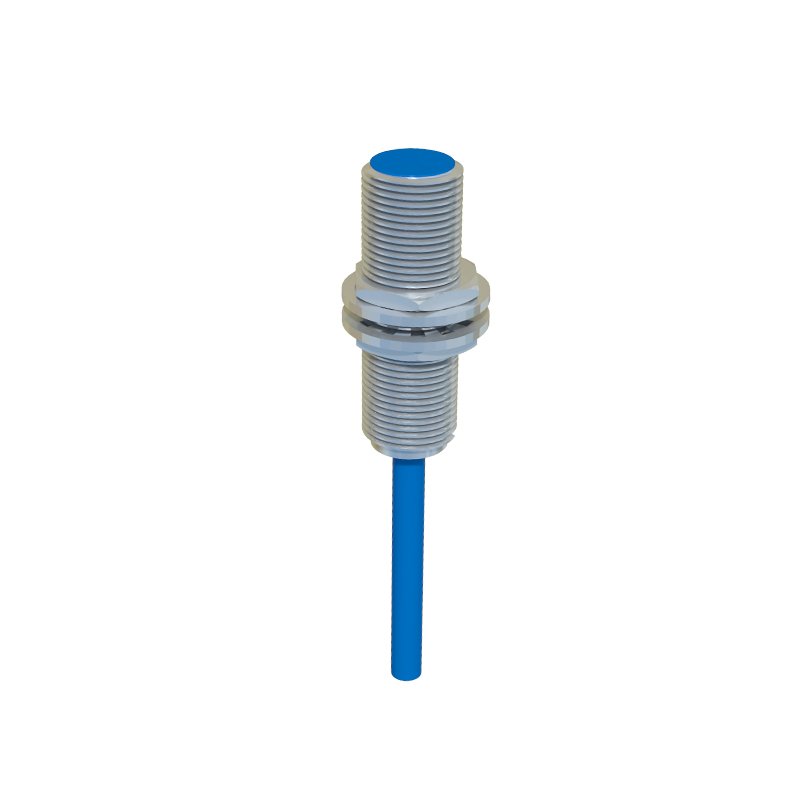
Proximity sensors, on the other hand, are non-contact devices that detect the presence or absence of an object within a specified range without physical contact. They are indispensable for position sensing, object counting, and limit detection. The most common types in industrial settings are inductive, capacitive, and ultrasonic sensors. Inductive proximity sensors detect metallic objects using an electromagnetic field, making them ideal for metal detection in machinery. Capacitive sensors can detect both metallic and non-metallic materials, such as liquids or plastics, by sensing changes in capacitance. Ultrasonic sensors use sound waves to measure distance or detect objects, suitable for challenging environments with dust or moisture. Critical specifications include sensing distance, output type (typically NPN or PNP transistor outputs), and response time. A standard inductive sensor might have a sensing range of 8mm and provide a 24V DC PNP output signal.
The true power of these components emerges when they are integrated into a cohesive system. A typical application involves a proximity sensor detecting a metal part on a conveyor belt. Upon detection, the sensor sends a low-voltage signal (e.g., 24V DC) to the input of a PLC. The PLC, programmed with specific logic, then triggers an output that energizes the coil of a relay module. This action closes the relay's contacts, allowing mains power (e.g., 120V AC) to flow to a motor, actuator, or solenoid valve, thereby initiating a process like sorting, lifting, or marking. This setup ensures that high-power machinery is controlled safely via low-voltage signals, minimizing risks and simplifying troubleshooting.
Several best practices are crucial for optimal performance. First, ensure proper wiring and grounding to prevent electrical noise interference, which can cause false triggering of sensors or relays. Shielded cables are recommended for sensor connections in noisy environments. Second, select components with appropriate ratings; for example, choose a relay contact rating at least 150% of the load's maximum current to account for inrush currents, especially for inductive loads like motors. Third, consider environmental factors: proximity sensors should be rated for the operating temperature, humidity, and potential exposure to chemicals or vibrations. IP (Ingress Protection) ratings, such as IP67, indicate suitability for harsh conditions. Fourth, implement protective measures like flyback diodes for relay coils to suppress voltage spikes and fuses or circuit breakers on load circuits to prevent overloads.
Real-world applications abound across various industries. In automotive manufacturing, inductive proximity sensors detect engine blocks on assembly lines, with relay modules controlling robotic welders. In packaging, capacitive sensors sense liquid levels in bottles, triggering relays to activate filling valves. In material handling, ultrasonic sensors monitor pallet positions, and relays manage conveyor belt motors. The integration also extends to building automation, where sensors detect occupancy to control lighting or HVAC systems via relay modules.
Looking ahead, trends point toward increased miniaturization, intelligence, and networking. Smart relay modules with built-in communication protocols like Ethernet/IP or Modbus TCP enable seamless integration into Industrial Internet of Things (IIoT) systems. Similarly, IO-Link enabled proximity sensors can provide diagnostic data, such as signal strength or temperature, facilitating predictive maintenance. These advancements reduce downtime and enhance system flexibility.
In conclusion, relay modules and proximity sensors are fundamental building blocks in modern industrial automation. Their effective integration demands careful selection based on electrical specifications, environmental conditions, and application requirements. By adhering to engineering principles and leveraging evolving technologies, engineers can design robust, efficient, and safe control systems that drive industrial productivity forward. Continuous learning and adaptation to new standards remain key in this dynamic field.
SEO