Proximity sensors are critical components in industrial automation, robotics, and machinery systems, providing non-contact detection of objects. However, their failure can lead to costly downtime, safety hazards, and reduced operational efficiency. Understanding the common causes of proximity sensor damage is essential for maintenance personnel and engineers to implement effective preventive strategies. This article explores the primary reasons behind proximity sensor failures and offers practical solutions to extend their lifespan.
One of the most frequent causes of proximity sensor damage is environmental factors. Exposure to excessive moisture, dust, or corrosive chemicals can degrade sensor components over time. For instance, in humid or wet environments, condensation may form inside the sensor housing, leading to short circuits or corrosion of internal circuits. Similarly, in dusty settings like mining or woodworking facilities, particulate accumulation can obstruct the sensing face, reducing accuracy or causing false triggers. To mitigate these issues, it is advisable to select sensors with appropriate ingress protection (IP) ratings, such as IP67 or higher for harsh conditions, and ensure regular cleaning of the sensor surface using non-abrasive methods.
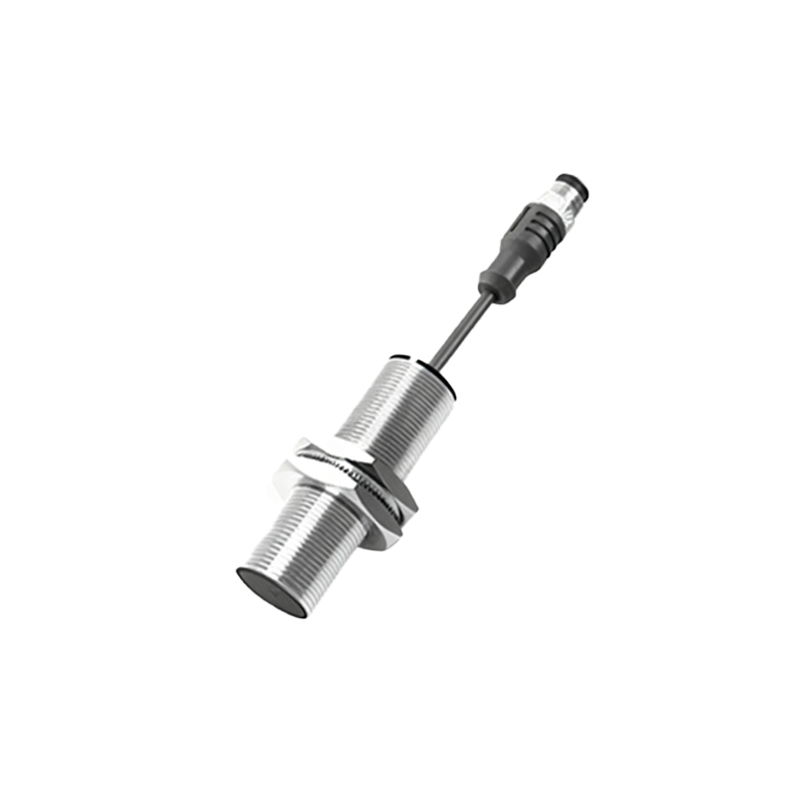
Electrical overloads and improper wiring are another significant contributor to sensor failure. Voltage spikes, surges, or incorrect power supply connections can overwhelm the sensor’s internal electronics, resulting in burnt circuits or permanent damage. For example, connecting an AC sensor to a DC power source, or vice versa, often leads to immediate malfunction. Additionally, electromagnetic interference (EMI) from nearby motors, transformers, or high-frequency devices can disrupt sensor signals, causing erratic behavior. To prevent electrical issues, always verify the sensor’s voltage and current specifications before installation, use surge protectors or isolation devices in circuits prone to fluctuations, and follow proper grounding practices. Shielded cables and maintaining distance from EMI sources can also enhance reliability.
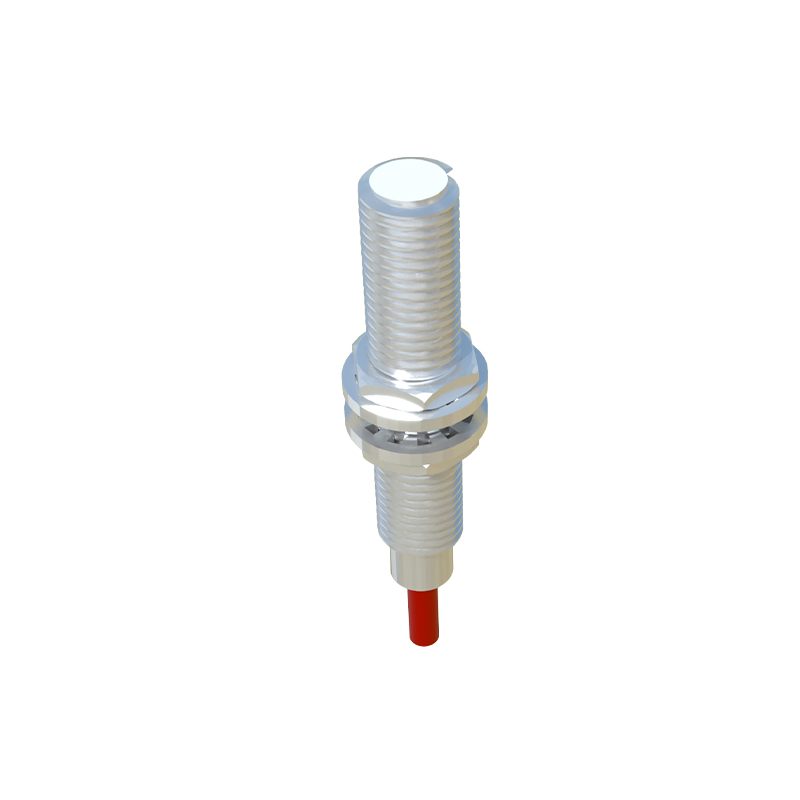
Mechanical stress and physical impact are common in dynamic industrial environments. Proximity sensors may suffer from vibration, shock, or misalignment due to machine movement or accidental collisions. Over time, this can loosen mounting brackets, crack sensor casings, or damage internal components. In applications with heavy machinery or conveyor systems, sensors are particularly vulnerable to wear and tear. To address mechanical risks, opt for robust sensors designed with durable materials like stainless steel or reinforced plastics. Ensure secure mounting using appropriate brackets and vibration-dampening accessories. Regular inspections for signs of physical damage, such as cracks or loose connections, can help identify problems early.
Temperature extremes also play a role in sensor degradation. Operating outside the specified temperature range—either too high or too low—can affect sensor performance. High temperatures may cause thermal expansion, melting of plastic parts, or reduced sensitivity, while low temperatures can lead to brittle materials or condensation issues. In industries like metal processing or outdoor applications, sensors must withstand thermal variations. Selecting sensors with wide temperature tolerances, such as those rated for -25°C to 70°C, and implementing cooling or heating measures in extreme environments can prolong functionality. Avoid placing sensors near heat sources like engines or furnaces without adequate insulation.
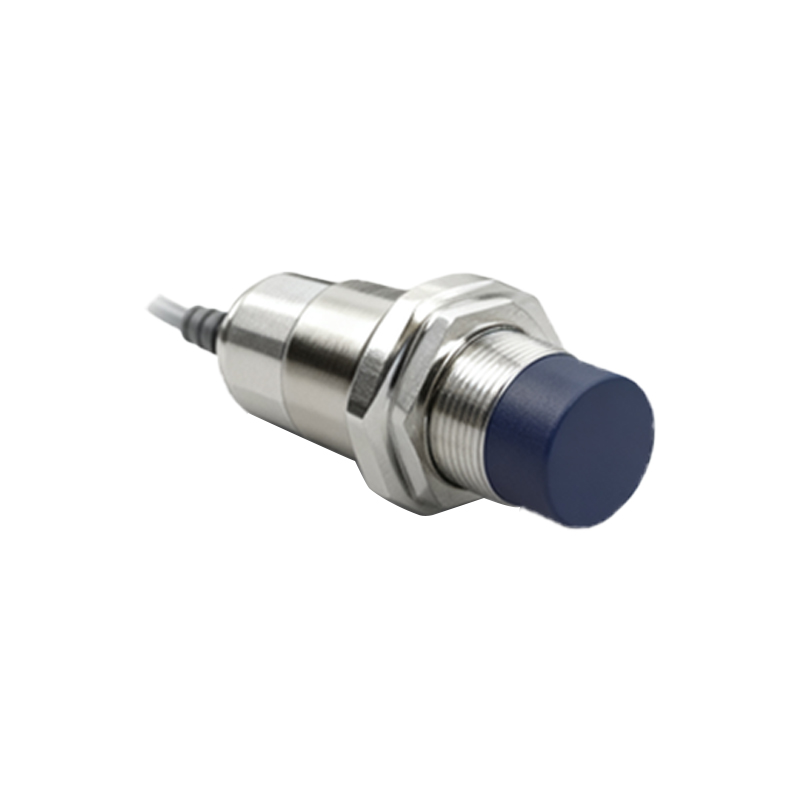
Lastly, improper installation and lack of maintenance accelerate sensor failure. Incorrect mounting distance, alignment errors, or using sensors beyond their sensing range can lead to unreliable detection and premature wear. For instance, inductive proximity sensors require specific distances from metal targets; deviations may cause overheating or signal loss. Neglecting routine maintenance, such as cleaning or calibration, further compounds these issues. To ensure optimal performance, follow manufacturer guidelines for installation, including correct orientation and gap settings. Implement a scheduled maintenance plan that includes testing sensor response, checking connections, and replacing worn parts proactively. Training personnel on proper handling and troubleshooting techniques is also beneficial.
In summary, proximity sensor failures often stem from environmental exposure, electrical faults, mechanical stress, temperature challenges, and human error. By understanding these causes and adopting preventive measures—such as selecting suitable sensors, ensuring correct installation, and maintaining regular upkeep—industries can enhance sensor durability and minimize operational disruptions. Proactive management not only reduces costs but also supports safer and more efficient automation systems.