In the industrial automation sector, proximity sensors and switches are indispensable components, widely used for detecting the presence or absence of objects without physical contact. Over time, these devices become obsolete, damaged, or replaced due to technological upgrades, leading to a growing accumulation of废旧传感器接近开关图片 (old sensor switch images) that often end up in landfills. However, with proper understanding and handling, these废旧传感器接近开关图片 can be recycled, repurposed, or analyzed for valuable insights. This article delves into the importance of managing废旧传感器接近开关图片, showcasing visual examples and practical steps for sustainable practices.
Proximity sensors, including inductive, capacitive, and ultrasonic types, are critical in manufacturing, robotics, and safety systems. When they reach the end of their lifecycle, their废旧传感器接近开关图片—comprising images of worn-out casings, corroded connectors, or internal circuitry—serve as a visual record of wear patterns and failure modes. By examining these废旧传感器接近开关图片, engineers can identify common issues such as environmental damage, electrical faults, or mechanical stress. For instance, images showing rust on metal housings might indicate exposure to moisture, suggesting a need for better sealing in future designs. Similarly,废旧传感器接近开关图片 of burnt components can reveal overheating problems, guiding improvements in thermal management.
From an environmental perspective, recycling废旧传感器接近开关图片 involves more than just disposing of physical parts. The images themselves can be archived in digital databases for research and training purposes. Companies can use these废旧传感器接近开关图片 to educate staff on maintenance protocols or to develop predictive maintenance algorithms. For example, by analyzing a collection of废旧传感器接近开关图片 depicting sensor failures, AI systems can learn to detect early signs of degradation, reducing downtime and costs. Moreover, the materials in old sensors, such as metals and plastics, can be extracted and reused, minimizing electronic waste. Visual documentation through废旧传感器接近开关图片 aids in sorting and processing, ensuring efficient resource recovery.
To effectively utilize废旧传感器接近开关图片, follow these best practices. First, capture high-quality images of discarded sensors from multiple angles, highlighting key features like labels, damage points, and internal structures. Use standardized lighting and backgrounds to ensure consistency across废旧传感器接近开关图片. Second, categorize the images based on sensor type, brand, and failure cause, creating a searchable library. This organized approach helps in quick reference and trend analysis. Third, share these废旧传感器接近开关图片 within industry forums or recycling networks to foster collaboration. For instance, posting废旧传感器接近开关图片 online can spark discussions on innovative repurposing ideas, such as turning old sensors into educational kits or art installations.
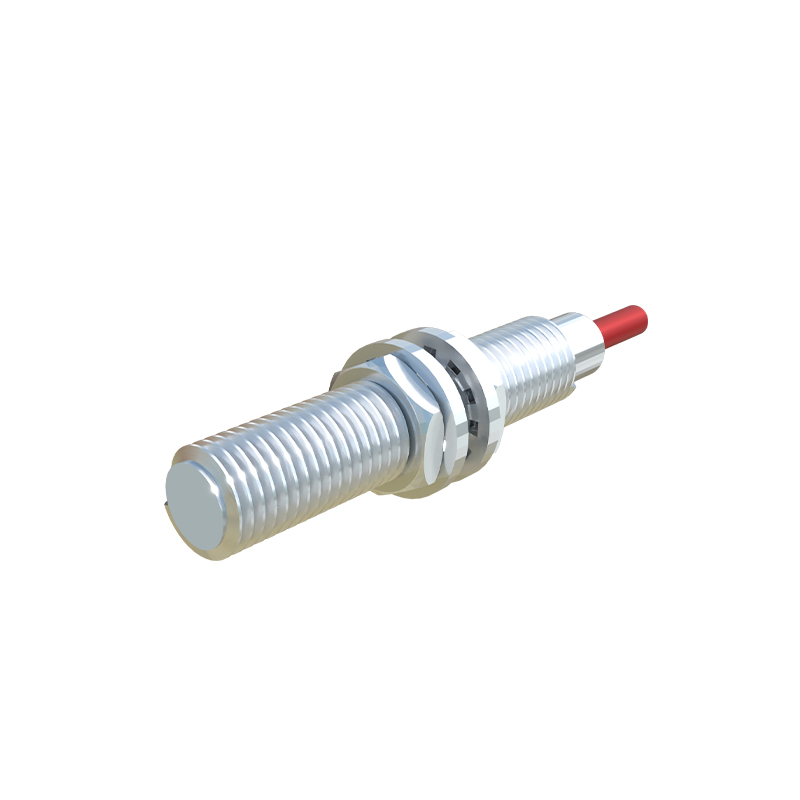
In conclusion,废旧传感器接近开关图片 are not mere waste but valuable assets for sustainability and innovation. By leveraging these visual resources, the electrical engineering community can enhance recycling efforts, drive design improvements, and promote eco-friendly practices. Embrace the potential of废旧传感器接近开关图片 to build a greener, more efficient industrial future.