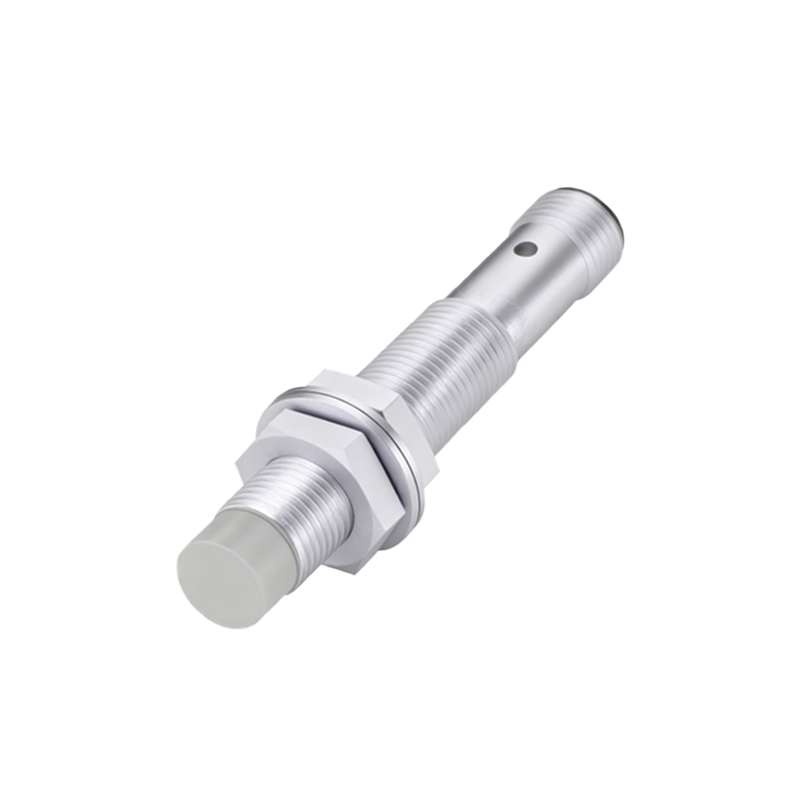
Proximity switches operating at 30V represent a critical category of non-contact sensors widely adopted in industrial automation and control systems. These devices detect the presence or absence of metallic objects without physical contact, relying on electromagnetic fields, and are engineered to function reliably with a 30V DC power supply—a common voltage level in many factory automation setups.
The core principle behind a 30V proximity sensor is electromagnetic induction for inductive types, which are most common for detecting metals. When a metallic target enters the sensor’s active field, it causes a change in oscillation amplitude or frequency. This change is processed by the internal circuitry, triggering a solid-state output signal. The 30V DC rating specifically refers to the operating voltage range, typically spanning from 10V to 30V DC, ensuring compatibility with standard industrial control voltage levels. This voltage specification is crucial for system design, as it influences wiring, power supply selection, and interface with Programmable Logic Controllers (PLCs) or other control units.
Key features of 30V proximity switches include robust construction, often with IP67 or higher ingress protection ratings, making them resistant to dust, moisture, and mechanical impacts. They offer various output configurations such as NPN (sinking), PNP (sourcing), or analog outputs, allowing seamless integration into diverse control architectures. The sensing distance, though dependent on sensor size and target material, is precisely defined, with factors like temperature stability and short-circuit protection enhancing reliability. A significant advantage is their fast response time, often in microseconds, enabling high-speed counting, positioning, and detection tasks on production lines.
In industrial applications, 30V proximity sensors are indispensable. They are extensively used for object detection on conveyor systems, end-position sensing in pneumatic or hydraulic cylinders, rotary speed monitoring, and part presence verification in assembly machines. In automotive manufacturing, these sensors ensure precise component positioning. In packaging machinery, they detect metallic labels or foil seals. Their non-contact nature eliminates mechanical wear, leading to minimal maintenance and long service life, even in harsh environments with oil, coolant, or vibration.
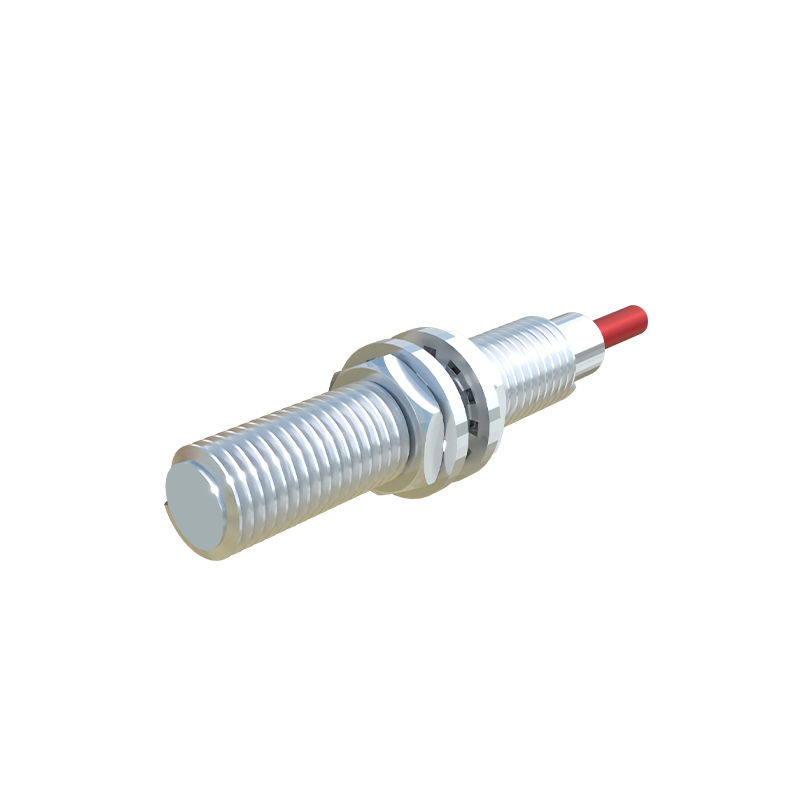
When selecting a 30V proximity switch, engineers must consider parameters like sensing range, target material (ferrous or non-ferrous metals), output type, housing style (cylindrical, rectangular), and connection method (pre-wired or quick-disconnect). Electrical characteristics such as current consumption, leakage current, and voltage drop are also vital for ensuring proper operation without overloading the power supply. Installation requires attention to mounting, avoiding metal-to-metal proximity that could cause interference, and ensuring adequate shielding in electrically noisy environments.
Maintenance is generally minimal, but periodic checks for physical damage, contamination buildup, and output signal integrity are recommended. Troubleshooting often involves verifying power supply voltage, output load connections, and target alignment. With advancements in technology, modern 30V proximity sensors incorporate features like IO-Link communication for diagnostics and parameterization, enhancing Industry 4.0 connectivity.
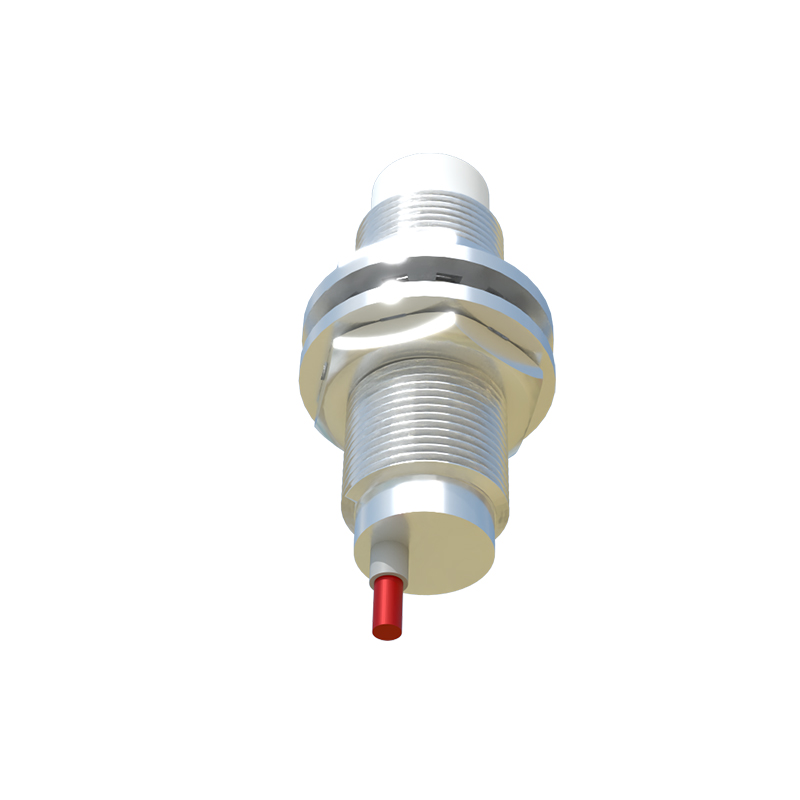
In summary, 30V proximity switches are fundamental components in industrial automation, offering reliable, non-contact detection for metallic objects. Their design tailored for 30V DC systems ensures broad compatibility and stable performance, driving efficiency and safety in countless automated processes. Understanding their specifications and proper application is essential for optimizing machine design and operational reliability.