M18 proximity sensors are among the most widely utilized industrial sensing devices, prized for their compact cylindrical form factor (18mm diameter), robust construction, and reliable performance in demanding environments. These sensors operate on the principle of detecting the presence or absence of metallic or non-metallic objects without physical contact, making them indispensable for automation, positioning, counting, and inspection tasks across manufacturing, packaging, and material handling sectors.
The market offers a diverse range of M18 models, primarily categorized by their sensing technology. Inductive M18 sensors are the most common, designed exclusively for detecting metallic objects such as steel, aluminum, or copper. They generate an electromagnetic field; when a metal target enters this field, it causes a change in oscillation, triggering the sensor's output switch. Key specifications within inductive models include sensing distance (typically 5mm, 8mm, or 10mm for standard versions), shield (flush-mountable) or unshield (non-flush) designs, output type (NPN or PNP transistor, NO/NC), and connection style (cable or connector). For instance, an M18 inductive sensor with an 8mm sensing distance, shielded design, PNP NO output, and M12 connector is a standard choice for metal part detection on conveyor lines.
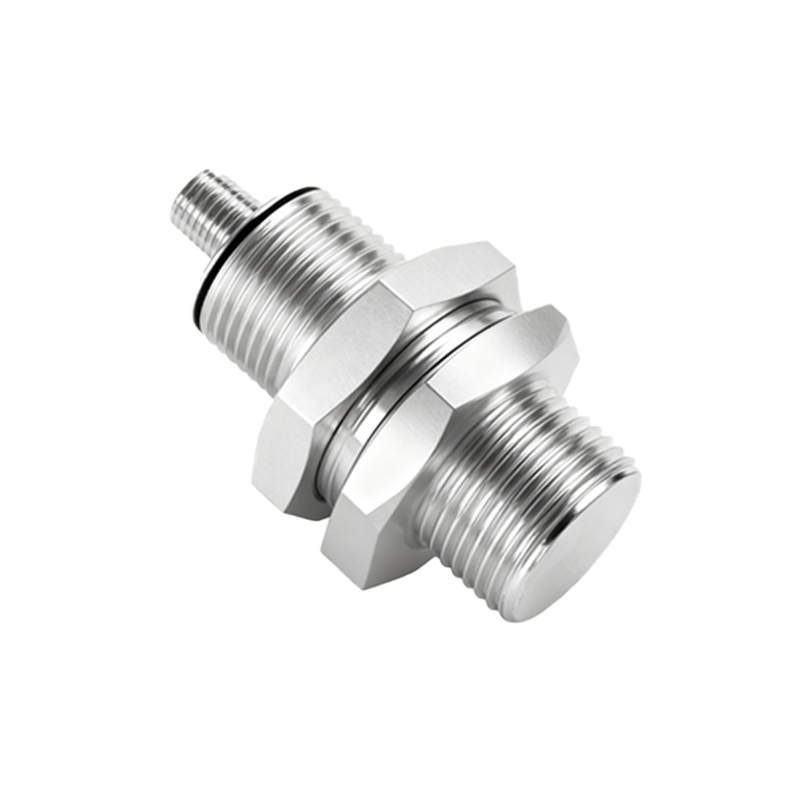
Capacitive M18 sensors extend functionality to non-metallic materials like liquids, plastics, wood, and granules. They detect targets by measuring changes in capacitance. These models are vital in industries where material level detection or presence sensing of non-conductive substances is required. While similar in housing to inductive types, they often have adjustable sensitivity to compensate for different material dielectric constants.
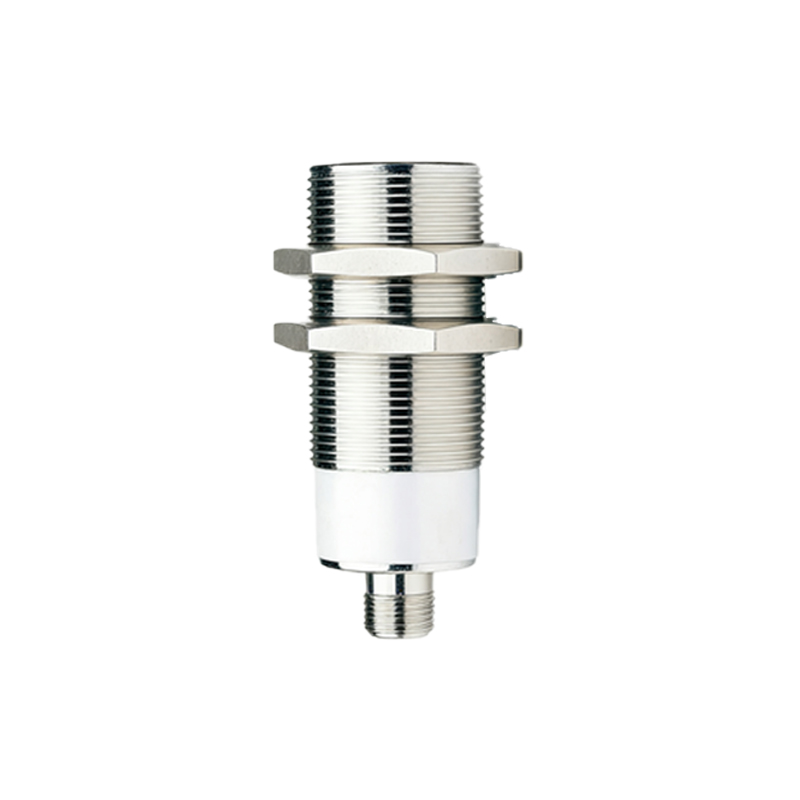
Ultrasonic M18 sensors represent another variant, using sound waves to detect objects regardless of color, transparency, or material. They are suitable for challenging conditions involving dust, smoke, or target variations.
Selecting the correct M18 model necessitates a thorough analysis of the application. Critical parameters include:
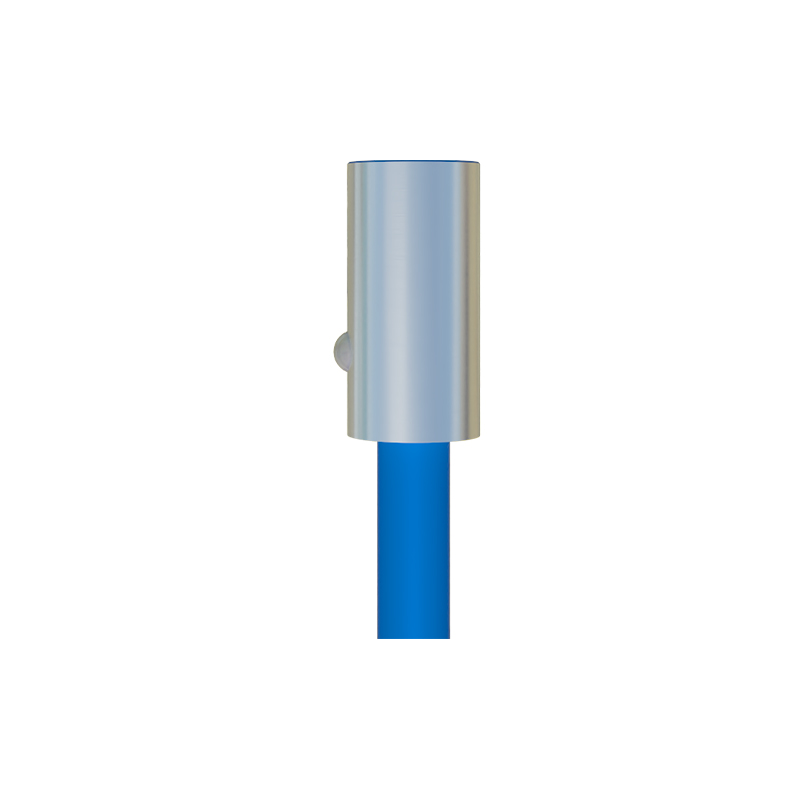
1. Target Material: Metal detection mandates inductive sensors; for non-metals, capacitive or ultrasonic.
2. Sensing Range: Ensure the rated operating distance accommodates the installation setup with a safety margin.
3. Output Configuration: Match the sensor's output (NPN sinking or PNP sourcing) to the PLC or controller input module. The choice between normally open (NO) and normally closed (NC) contacts depends on the control logic for safety and fail-safe requirements.
4. Environmental Factors: IP67 or IP69K ratings for resistance to water, dust, and washdowns are crucial in food & beverage or pharmaceutical applications. Temperature ratings must suit operational extremes.
5. Electrical Specifications: Operating voltage (commonly 10-30V DC), current draw, and short-circuit/overload protection compatibility.
6. Housing and Connector: Stainless steel housings resist corrosion in harsh environments, while nickel-plated brass is common. Pre-wired cables or quick-disconnect connectors like M12 offer installation flexibility.
Leading manufacturers such as Omron, Sick, Pepperl+Fuchs, and Balluff provide extensive M18 series with advanced features. These include IO-Link digital communication for parameter setting and diagnostics, enhanced noise immunity, teach-in functionality for easy range adjustment, and built-in diagnostics via LED indicators. For high-speed applications, models with fast switching frequencies (up to 5 kHz) are available.
Installation and alignment are paramount for optimal performance. Shielded inductive sensors can be mounted flush with metal surfaces without affecting sensing range, whereas unshielded types require clearance. Maintaining the correct orientation and avoiding sensor-to-sensor interference in dense layouts is essential. Regular maintenance involves checking for physical damage, buildup of contaminants, and verifying electrical connections.
In summary, the versatility and reliability of M18 proximity sensors make them a cornerstone of industrial automation. Understanding the distinctions between inductive, capacitive, and ultrasonic technologies, along with meticulous attention to electrical and mechanical specifications, enables engineers to select the ideal model for precision, efficiency, and longevity in any application. As Industry 4.0 evolves, smart M18 sensors with integrated connectivity will further enhance data-driven monitoring and control systems.