In the high-stakes world of industrial manufacturing, precision is not merely a goal—it is an absolute requirement. Among the myriad technologies driving this precision, laser ranging sensors have emerged as a cornerstone for advanced cutting systems, particularly in laser cutting applications. These sophisticated devices provide the critical distance measurement and surface tracking capabilities that define modern, automated fabrication. This article delves into the operational principles, key benefits, and evolving applications of laser ranging sensors within the cutting industry.
At its core, a laser ranging sensor for cutting is a non-contact measurement device. It typically employs a laser diode to project a focused beam of light onto the target material's surface. The sensor then analyzes the reflected light. Two primary methodologies are prevalent: triangulation and time-of-flight (ToF). Triangulation-based sensors use a position-sensitive detector (PSD) or a CMOS/CCD array to calculate distance based on the angle of the reflected beam. This method offers exceptionally high resolution and accuracy at relatively short ranges, making it ideal for monitoring the precise standoff distance between a cutting head and a sheet of metal. Time-of-flight sensors, conversely, measure the round-trip time for a laser pulse to reflect back, suitable for longer ranges or less demanding accuracy scenarios in larger work envelopes.
The integration of these sensors into laser cutting machines has revolutionized process control. One of the most critical functions is real-time height sensing and adjustment. The nozzle-to-workpiece distance must be maintained with micron-level precision to ensure optimal cut quality, protect the lens from splatter, and maintain assist gas pressure. A laser ranging sensor continuously monitors this gap, providing instant feedback to the machine's Z-axis servo system. This dynamic adjustment compensates for warped, uneven, or intentionally contoured materials, enabling consistent cutting performance across an entire sheet. Without this capability, operators would face frequent piercing failures, poor edge quality, and accelerated consumable wear.
Beyond basic height control, advanced sensors facilitate surface profiling and seam tracking. In applications involving pre-formed parts or welded structures, the cutting path may not be flat. A scanning laser sensor can map the surface topography ahead of the cutting head, allowing the control system to pre-emptively adjust the tool path. This is indispensable for industries like automotive or aerospace, where cutting and trimming composite materials or tailored blanks is common. Furthermore, for processes like laser welding or cladding, these sensors can track joint seams, ensuring the energy is delivered exactly where needed.
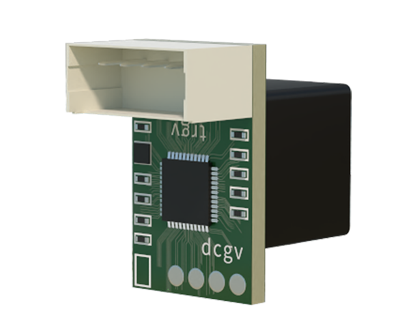
The benefits translate directly to operational efficiency and cost-effectiveness. First, they enable true lights-out manufacturing by reducing the need for manual calibration and intervention. Second, they significantly improve material utilization by allowing reliable cutting on imperfect stock, reducing scrap. Third, they enhance process reliability, minimizing downtime caused by crashes or poor pierces. Finally, they contribute to higher part quality and consistency, which is paramount in supply chains for medical devices, energy components, and precision engineering.
Looking forward, the evolution of laser ranging sensors is intertwined with Industry 4.0. Modern sensors are becoming smarter, equipped with onboard processors and standardized communication protocols like IO-Link or integrated Ethernet interfaces. This allows for not just data transmission but also advanced diagnostics, predictive maintenance alerts, and seamless integration into digital twin environments. The fusion of high-fidelity distance data with machine learning algorithms promises next-level adaptive control, where the cutting parameters dynamically optimize themselves based on real-time material feedback.
However, challenges persist. Reflective or transparent materials can disrupt optical measurements, requiring specialized sensor models or alternative sensing strategies. Harsh environments with intense heat, dust, or coolant mist demand sensors with robust housings and protective purging systems. The selection of a sensor must carefully consider the specific material set, required accuracy, measurement range, and the machine's dynamic response capabilities.
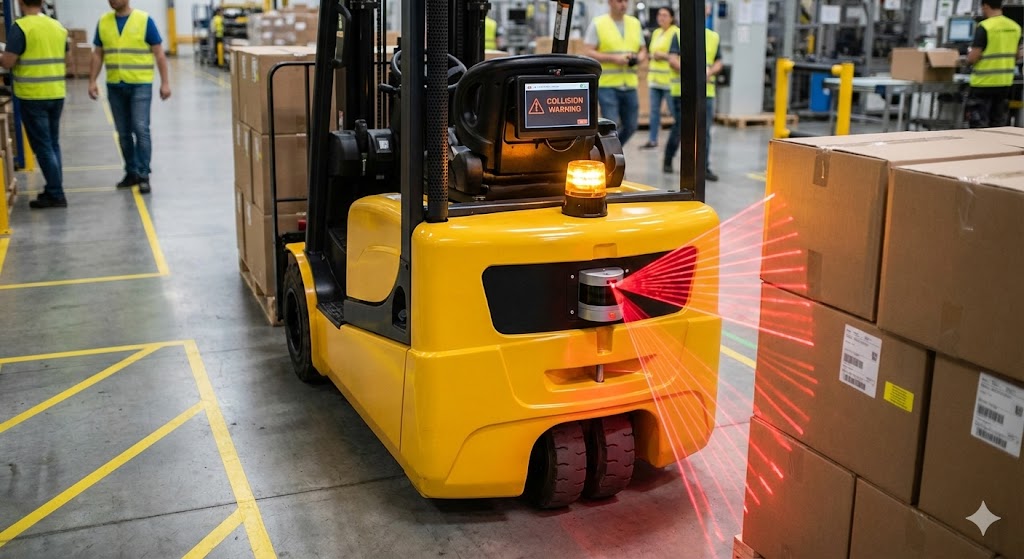
In conclusion, laser ranging sensors are far more than simple measurement tools; they are intelligent enablers of precision manufacturing. By providing a continuous stream of accurate spatial data, they form the sensory foundation for autonomous, adaptive, and highly efficient cutting systems. As laser cutting technology pushes into new materials and more complex applications, the role of the ranging sensor will only grow in importance, solidifying its status as an indispensable component in the modern fabricator's arsenal. Their continued development is pivotal to achieving the next leaps in manufacturing speed, flexibility, and intelligence.