In the realm of modern electronics, proximity sensors have become indispensable components, enabling devices to interact intelligently with their surroundings. Among these, the S8 proximity sensor represents a specific class known for its compact design and reliable performance. This article delves into the technology behind such sensors, their operational principles, and their diverse applications across industries.
At its core, a proximity sensor is a device that detects the presence or absence of an object within a certain range without any physical contact. The "S8" designation typically refers to a specific series or model characterized by a small form factor, often an 8mm diameter, making it suitable for space-constrained applications. These sensors primarily operate on the inductive principle. They generate an electromagnetic field from a coil inside the sensor. When a metallic object enters this field, it induces eddy currents within the object, which in turn cause a change in the sensor's own oscillation amplitude. This change is detected by the sensor's circuitry, triggering a switch signal. For non-metallic objects, capacitive or photoelectric S8 variants are available, though inductive types are most common.
The key advantages of the S8 proximity sensor are numerous. Its non-contact nature ensures no wear and tear on the sensor or the target, leading to exceptional longevity and maintenance-free operation. The high switching frequency allows for rapid detection in fast-paced automation processes. Furthermore, these sensors are generally immune to environmental factors like dust, oil, and moisture (often featuring IP67 ratings), allowing them to perform reliably in harsh industrial settings. Their compact S8 size allows for easy integration into machinery, robotic arms, and consumer devices where space is at a premium.
The applications of S8 proximity sensors are vast and varied. In industrial automation, they are workhorses on assembly lines, used for precise object counting, position verification of machine parts, and as end-stops to detect the limits of robotic movement. They ensure smooth operation in packaging machinery, CNC machines, and conveyor systems. Beyond the factory floor, these sensors find critical roles in the automotive sector, monitoring gear position, detecting seat occupancy for airbag systems, and in automated doors. In the consumer electronics domain, S8 sensors are the silent enablers behind features like the automatic screen turn-off during phone calls, preventing accidental touch inputs. They are also integral to modern appliances, interactive kiosks, and security systems.
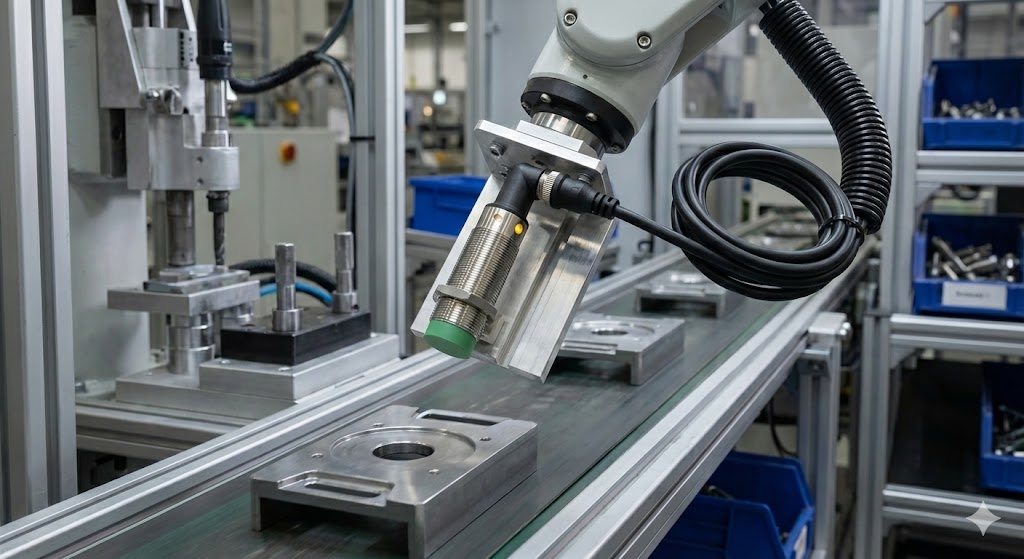
When selecting an S8 proximity sensor for a project, several parameters require careful consideration. The sensing range, typically a few millimeters for an 8mm sensor, must be appropriate for the application. The type of output (e.g., NPN or PNP transistor) must be compatible with the control system's PLC or microcontroller. The housing material, often nickel-plated brass or stainless steel, should be chosen based on the environmental conditions. Engineers must also account for the target material, size, and required response time.
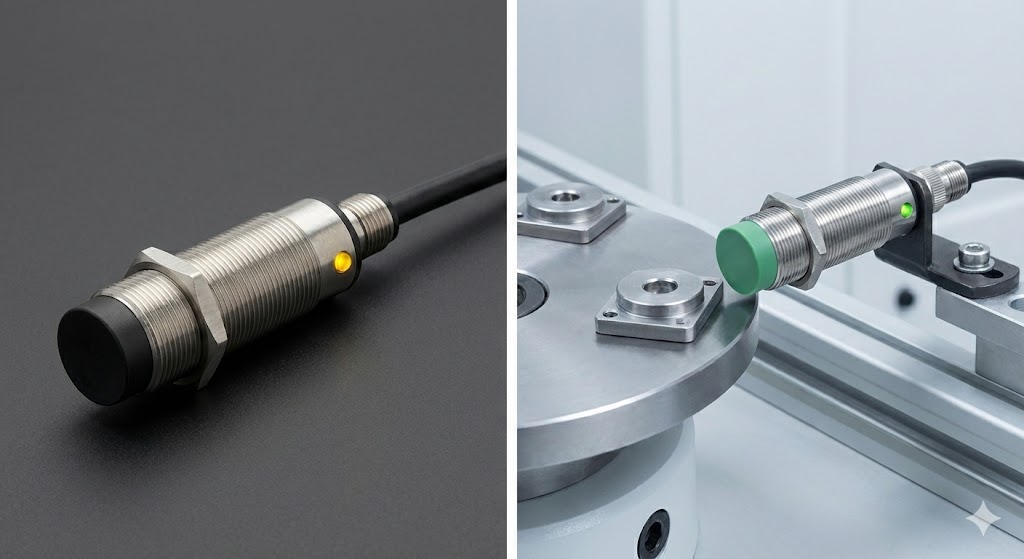
Installation and wiring are straightforward but crucial for optimal performance. Maintaining the recommended gap between the sensor face and the target is essential. A common pitfall is installing the sensor too close to metal surfaces other than the target, which can cause false triggering. Proper shielding and cable routing help minimize electrical noise interference in industrial environments. Regular testing, even though the sensors are robust, ensures the entire system's reliability.
Looking ahead, the evolution of S8 proximity sensors continues. Trends point towards even smaller form factors with extended sensing ranges, integration of IO-Link communication for smart sensor capabilities like condition monitoring and parameter configuration via software, and enhanced resistance to extreme temperatures and electromagnetic interference. These advancements will further solidify their role in the Internet of Things (IoT) and Industry 4.0 ecosystems, where precise, reliable, and data-rich sensing is paramount.
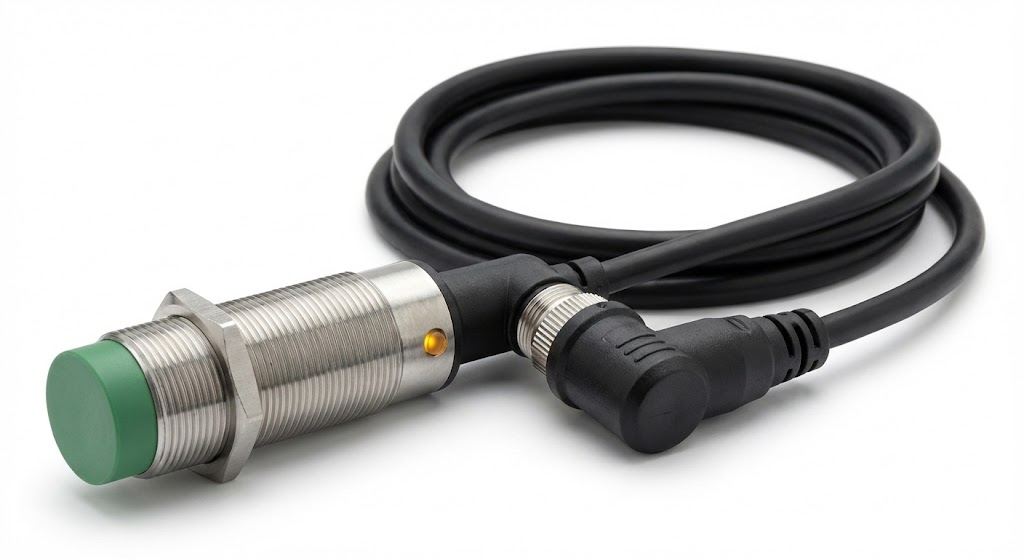
In conclusion, the S8 proximity sensor, though a small component, plays a monumental role in bridging the physical and digital worlds. Its ability to provide reliable, contactless detection in a tiny package makes it a fundamental building block for automation, safety, and user interface enhancement across countless devices and systems we interact with daily.