In the landscape of industrial automation and control, proximity sensors are indispensable components for detecting the presence or absence of objects without physical contact. While inductive proximity sensors have long been the standard for detecting ferrous metals, the reliable detection of non-ferrous metals—such as aluminum, copper, brass, and stainless steel—presents a distinct set of challenges. These materials, with their lower magnetic permeability and often higher electrical conductivity, require specialized sensing technologies to ensure accurate and consistent operation. This article delves into the principles, primary technologies, and critical application considerations for proximity sensors designed specifically for non-ferrous metals.
The fundamental challenge with non-ferrous metals lies in their interaction with electromagnetic fields. Standard inductive sensors generate a high-frequency oscillating electromagnetic field from a coil. When a ferrous metal (like iron or steel) enters this field, it causes significant eddy current losses and changes the coil's inductance, triggering the sensor. Non-ferrous metals, however, are typically non-magnetic. Their primary effect is to induce strong eddy currents due to good conductivity (e.g., copper, aluminum), which also dampens the oscillator but through a different mechanism. The damping effect is often less pronounced than with ferrous metals, and the sensing distance can be substantially reduced—sometimes to just 30-50% of the rated sensing distance for steel. Therefore, sensors must be specifically calibrated or designed to amplify and interpret these subtler field changes.
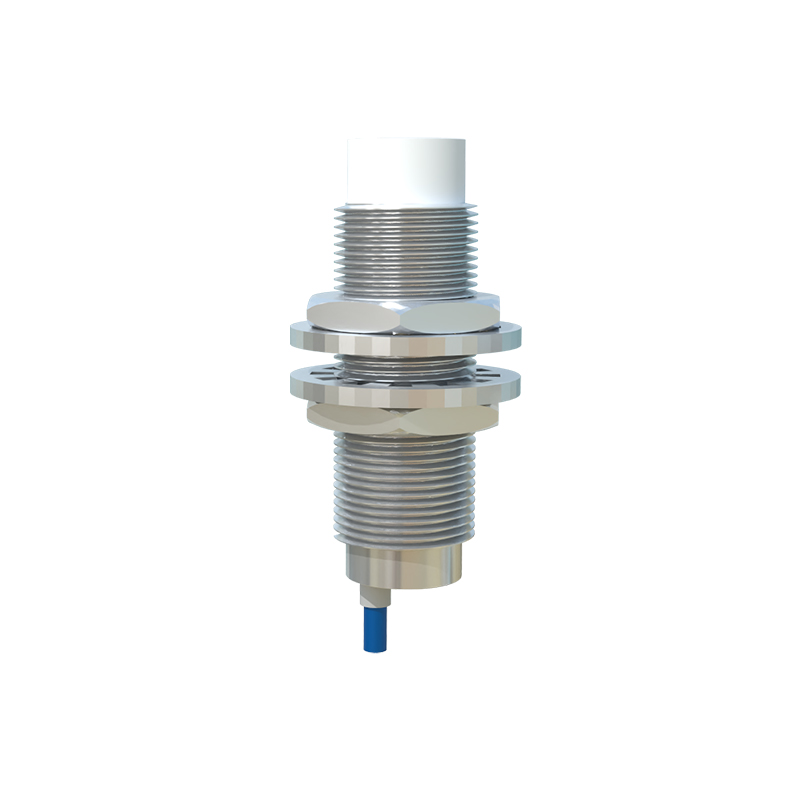
Several sensor technologies have been developed to address this need effectively. The most common are Factor 1 inductive sensors and capacitive proximity sensors.
Factor 1 Inductive Sensors: These are a specialized subset of inductive sensors. A standard inductive sensor might have a reduction factor (the ratio of sensing distance for a target material compared to mild steel) of 0.3 to 0.5 for aluminum. A "Factor 1" sensor is engineered to have a reduction factor as close to 1.0 as possible for specific non-ferrous metals, meaning its sensing range for, say, aluminum is nearly equivalent to its range for steel. This is achieved through advanced coil design, higher oscillator frequencies, and sophisticated evaluation electronics that are more sensitive to the conductive losses caused by eddy currents. They offer the robust, wear-free operation of inductive sensors and are ideal for environments with dust, oil, or coolant.
Capacitive Proximity Sensors: These sensors operate on a different principle, detecting changes in capacitance. They generate an electrostatic field. Any object, metallic or non-metallic, that enters this field alters the dielectric constant and thus the capacitance, triggering the switch. They are inherently well-suited for detecting non-ferrous metals, as well as liquids, plastics, and glass. Their sensing distance is generally less affected by the type of metal. However, they can be influenced by environmental factors like humidity, dust, and the presence of other materials, requiring careful installation and shielding adjustment.
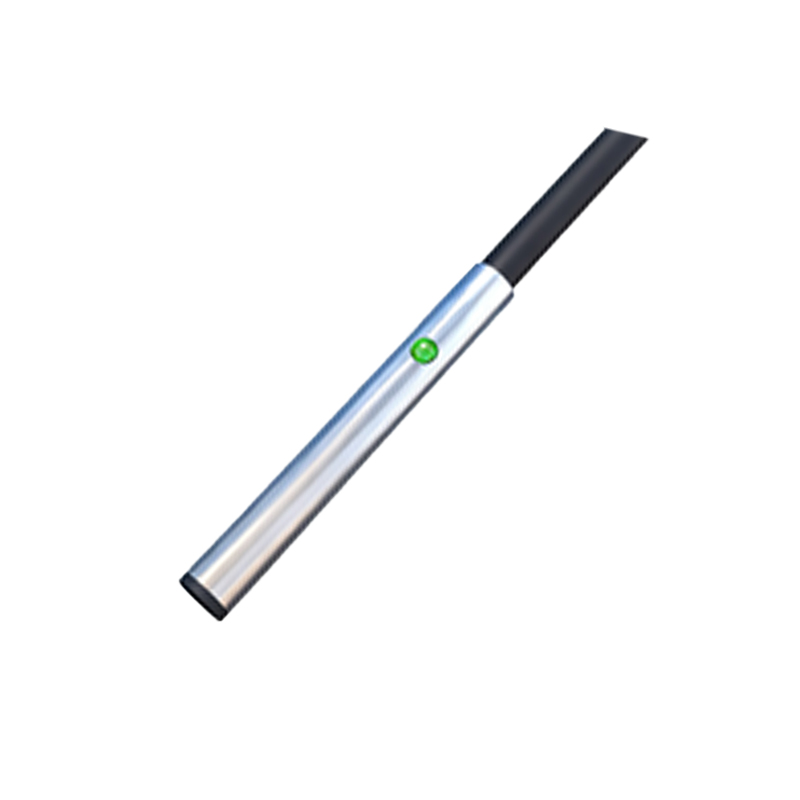
Ultrasonic Sensors: While not exclusively for metals, ultrasonic sensors measure the time-of-flight of sound waves. They can reliably detect objects of any material, including all non-ferrous metals, based on their sound reflection properties. They are excellent for longer ranges and can handle challenging surface conditions, but may be slower and more susceptible to temperature variations and acoustic noise.
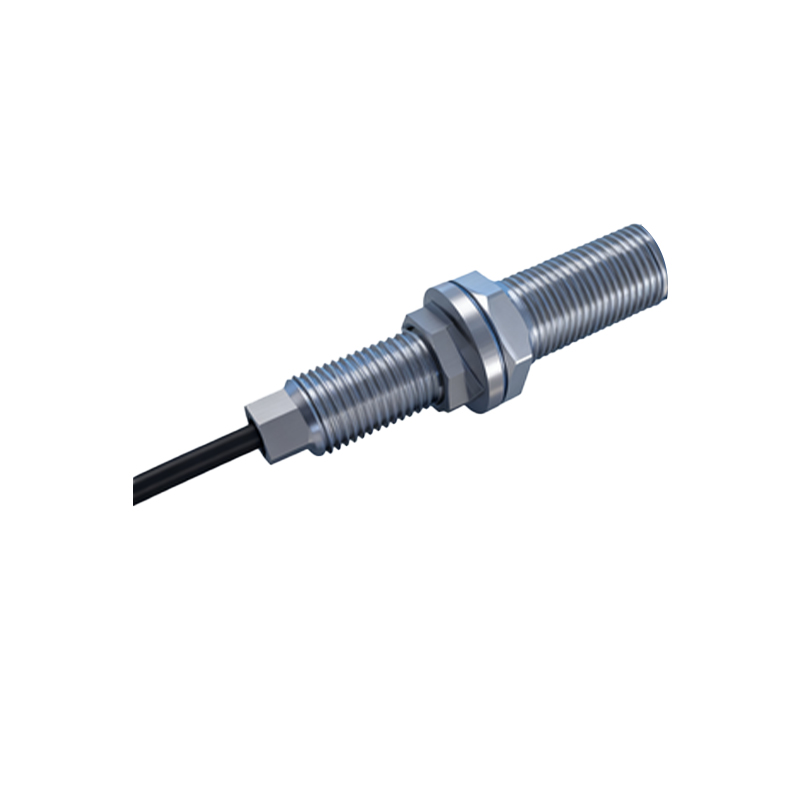
Selecting the right sensor requires careful analysis of the application. Key parameters include the specific non-ferrous metal alloy, the required sensing distance, the operating environment, and the required switching frequency. For instance, detecting aluminum cans on a high-speed bottling line demands a Factor 1 inductive sensor with a high switching frequency and immunity to washdowns. In contrast, monitoring the level of copper powder in a silo might be better served by a capacitive sensor.
Installation is critical. The presence of other metals in the background or surrounding the sensor (metal mounting brackets, machine frames) can influence the sensing field, especially for inductive types. Manufacturers provide detailed guidelines on minimum mounting distances. For Factor 1 sensors, it is also essential to verify the exact reduction factor for the specific alloy being used, as additives can alter conductivity.
In conclusion, the detection of non-ferrous metals is a sophisticated segment of proximity sensing. By leveraging Factor 1 inductive, capacitive, or ultrasonic technologies, engineers can achieve reliable, non-contact detection crucial for automation efficiency, quality control, and safety. Understanding the material properties, environmental conditions, and sensor specifications is paramount to designing a robust and fail-safe system, enabling advanced automation in industries from food and beverage packaging to aerospace manufacturing and electronics assembly.