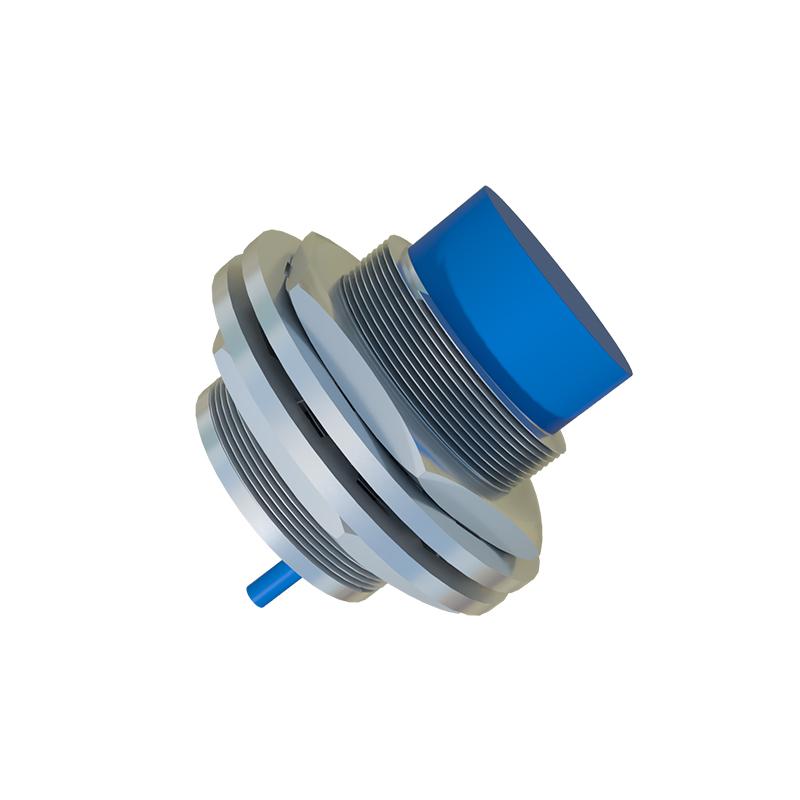
In the realm of industrial automation and control systems, proximity sensors are indispensable components for non-contact detection of metallic and, in some cases, non-metallic objects. Among the diverse range of form factors and specifications, the sensing distance, often defined by the sensor's diameter, is a critical parameter. Two of the most commonly specified and utilized sizes are 12mm and 30mm cylindrical inductive proximity sensors. This article delves into the technical distinctions, application considerations, and selection criteria for these two prevalent sensor sizes, providing a clear guide for engineers and system integrators.
Fundamentally, both 12mm and 30mm inductive proximity sensors operate on the same principle. They generate an electromagnetic field from a coil in an oscillator circuit. When a metallic target enters this field, eddy currents are induced in the target, causing a change in the oscillation amplitude. This change is detected by the sensor's circuitry, which then switches the output state. The key difference lies in the scale and capability dictated by their physical dimensions.
The 12mm proximity sensor is characterized by its compact, space-saving design. Its nominal sensing distance, as per standard EN 60947-5-2, typically ranges from 2mm to 4mm for steel targets, depending on the specific model and factor (e.g., shielded or unshielded). This smaller form factor makes it ideal for applications with stringent space constraints. Common use cases include precision assembly machines, small robotic grippers, conveyor systems with closely spaced components, and within compact machinery where mounting real estate is limited. Its smaller sensing range offers high precision for detecting small parts or ensuring exact positioning. However, the trade-off is its limited operational range and, generally, a slightly shorter operational life in highly demanding environments due to its smaller internal components and potentially less robust housing.
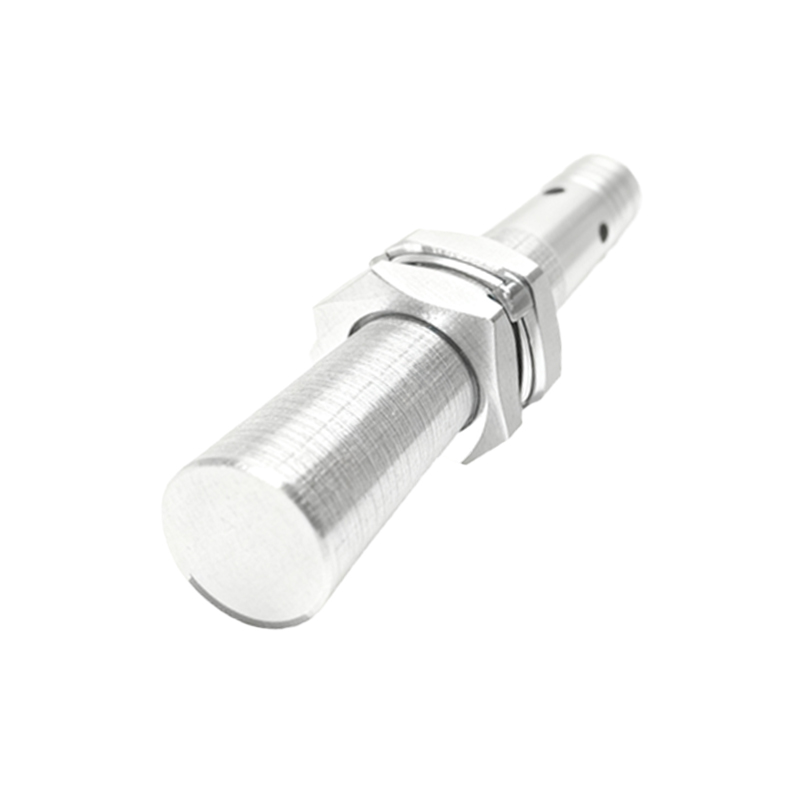
In contrast, the 30mm proximity sensor offers a significantly larger nominal sensing distance, usually between 10mm and 15mm for steel. This extended range provides greater installation flexibility. Engineers can mount the sensor farther away from the target, which is advantageous in environments with high vibration, potential for mechanical impact, or where thermal expansion might alter distances. The larger physical size allows for more robust construction, often translating to higher ingress protection (IP) ratings (like IP67 or IP69K), better resistance to mechanical stress, and improved temperature tolerance. These sensors are workhorses in heavy-industry applications such as material handling, large valve position detection, palletizing systems, and automotive manufacturing lines. The larger coil in a 30mm sensor can sometimes provide more stable performance in the presence of varying target materials or sizes, though it is still primarily tuned for ferrous metals.
When selecting between a 12mm and a 30mm sensor, several factors must be evaluated beyond just the required sensing distance. First, consider the available mounting space. A 30mm sensor simply cannot fit where a 12mm sensor is intended. Second, assess the environmental conditions. Harsh environments with washdowns, oils, coolants, or significant particulate matter often favor the more rugged 30mm housing. Third, the target characteristics matter. While both detect metals, the larger sensing field of a 30mm sensor might be less precise for very small targets, potentially leading to false triggers if not carefully positioned. Fourth, consider cost and inventory. While not a hard rule, 12mm sensors can be more cost-effective for high-volume, space-critical applications, whereas the durability and extended range of 30mm sensors justify their typically higher price point in demanding settings.
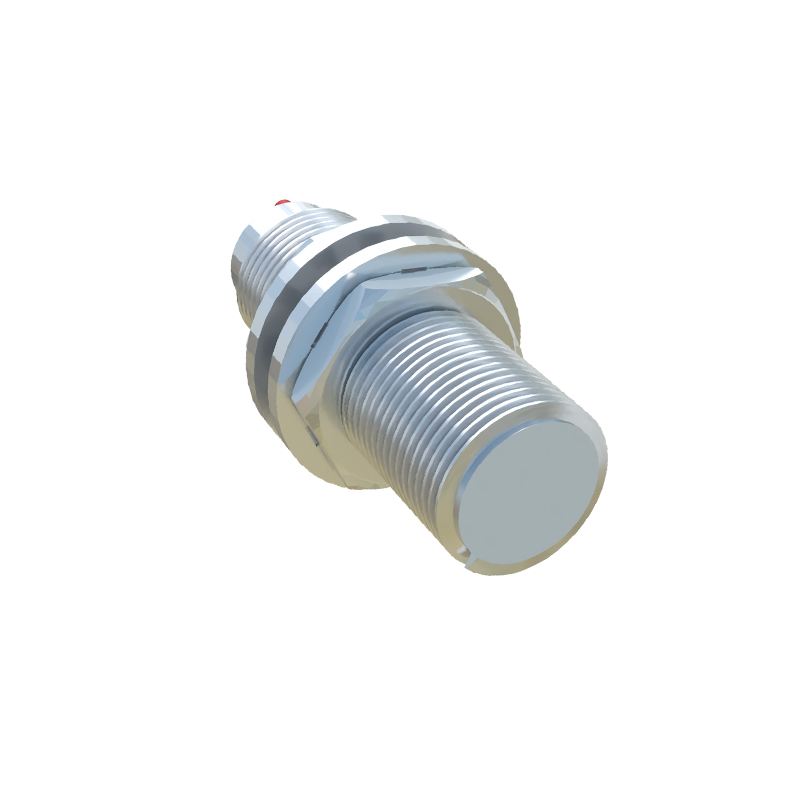
Installation is another crucial differentiator. Both types come in shielded (flush-mountable) and unshielded (non-flush) variants. Shielded 12mm sensors can be mounted flush in metal without affecting their sensing range, which is a significant advantage in tight metallic enclosures. Unshielded 30mm sensors offer a longer range but require a clear lateral space around them, as adjacent metal can interfere with their field.
In conclusion, the choice between a 12mm and a 30mm proximity sensor is not about one being superior to the other, but about selecting the right tool for the specific application. The 12mm sensor excels in precision and compactness, while the 30mm sensor dominates in range, durability, and harsh environment performance. A thorough analysis of the mechanical constraints, environmental factors, target properties, and required reliability will lead to the optimal selection, ensuring robust and efficient operation within any automated system. Always consult the manufacturer's datasheets for exact specifications regarding sensing distances, temperature ranges, output types, and housing materials to finalize the design decision.