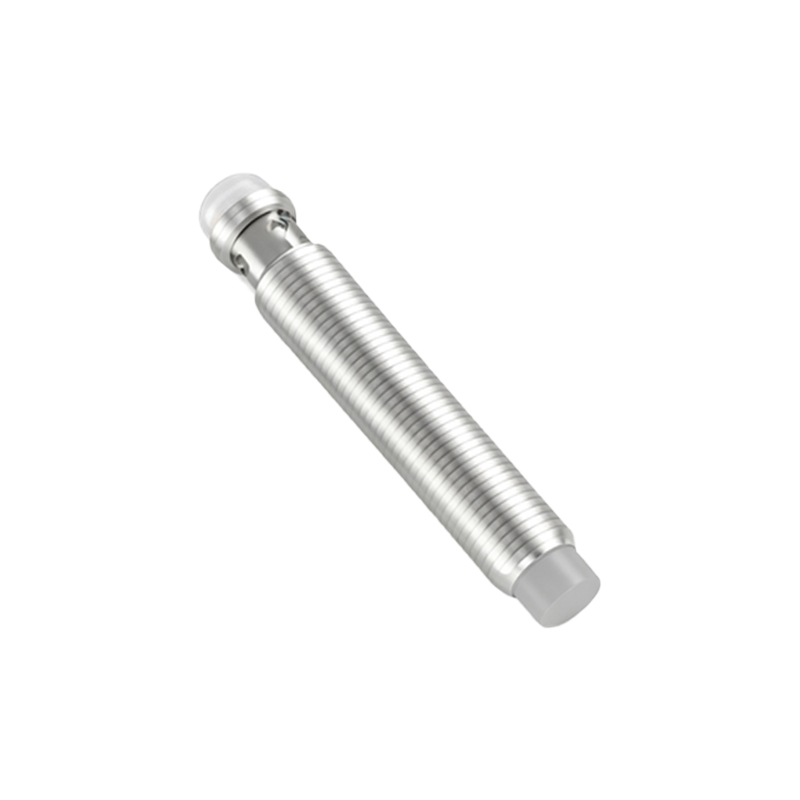
In the intricate landscape of industrial automation and control, analog proximity sensors stand as pivotal components, bridging the gap between physical presence and precise electronic measurement. Unlike their digital counterparts that provide a simple on/off signal, analog proximity sensors deliver a continuous output signal—typically voltage or current—that varies proportionally with the distance to the target object. This nuanced capability makes them indispensable in applications demanding not just detection, but also detailed positional feedback, process monitoring, and fine-tuned control.
The fundamental operation of an analog proximity sensor is rooted in electromagnetic principles. Common types include inductive sensors for metallic objects and capacitive sensors for both metallic and non-metallic materials. An inductive sensor generates an oscillating electromagnetic field. When a metallic target enters this field, it induces eddy currents, which dampen the oscillation. The sensor's electronics measure this damping effect and convert it into an analog output signal whose amplitude correlates directly with the distance to the target. Capacitive sensors operate similarly but respond to changes in capacitance caused by any material altering the electric field. This analog output, often ranging from 0-10V DC or 4-20mA, provides a rich data stream about the target's position.
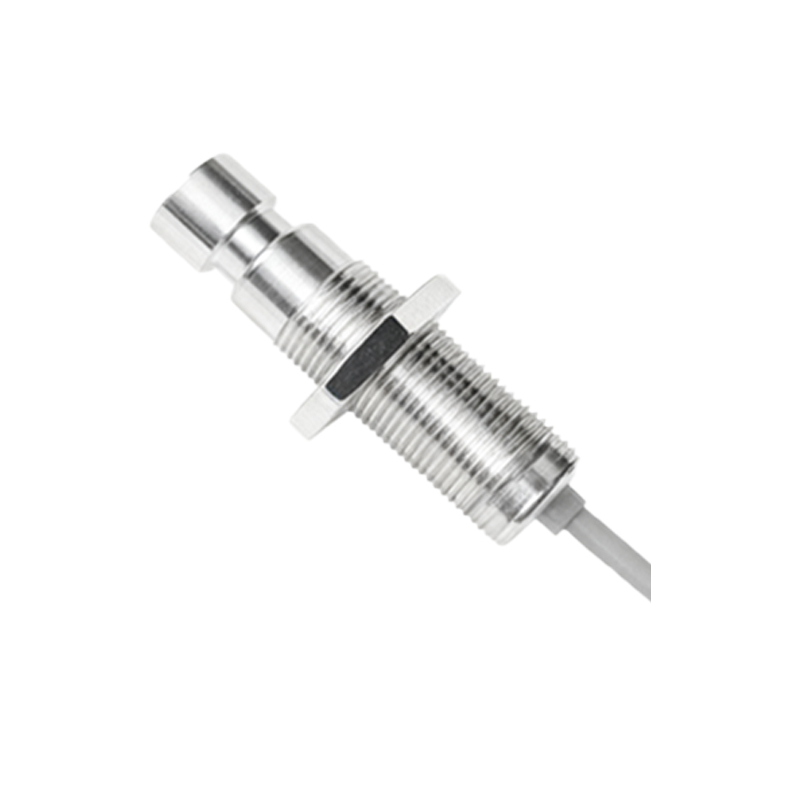
The primary role of these sensors extends far beyond basic object detection. One critical application is in precision positioning and dimension control. For instance, in automated assembly lines, an analog sensor can continuously monitor the thickness of a material, the fill level in a container, or the precise position of a robotic arm's gripper. The continuous signal allows for real-time adjustments, ensuring tolerances are maintained without the need for physical contact, thereby preventing wear and damage. In vibration monitoring systems on rotating machinery, analog sensors can detect minute changes in the gap between a shaft and its housing, providing early warning of bearing wear or misalignment long before a catastrophic failure occurs.
Another significant role is in process control and optimization. In packaging machinery, analog capacitive sensors can measure the density or consistency of a liquid or powder, enabling dynamic control of mixing ratios. In metalworking, such as stamping or bending presses, analog inductive sensors ensure tools are at the exact correct position before a cycle begins, safeguarding both the tooling and the workpiece. The continuous feedback loop they enable is integral to closed-loop control systems, where the sensor's output is constantly compared to a setpoint, and corrective actions are taken automatically to maintain optimal process conditions.
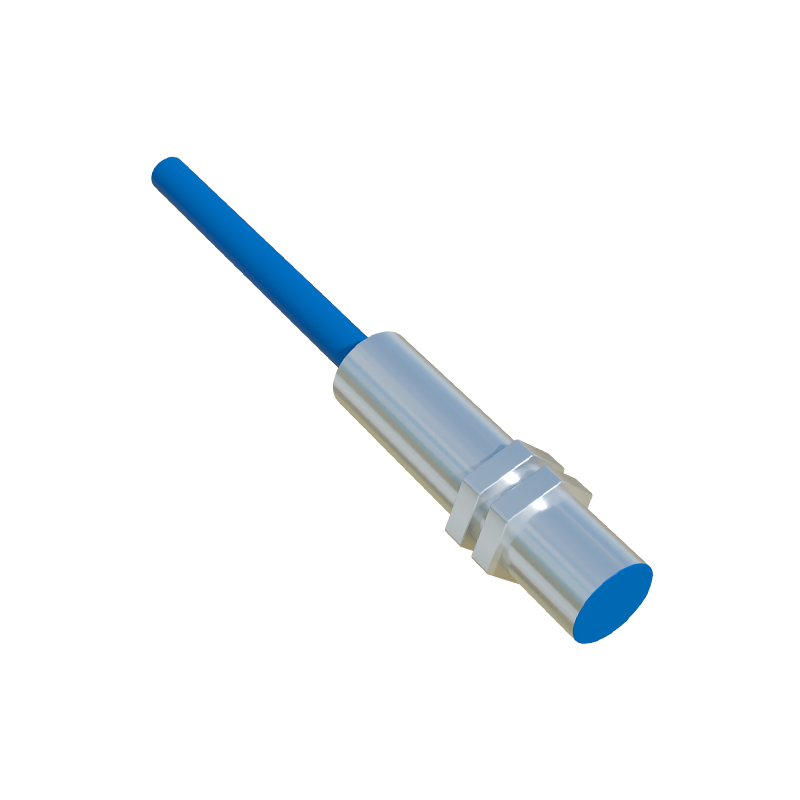
The advantages of utilizing analog proximity sensors are manifold. Their ability to provide continuous data allows for trend analysis and predictive maintenance, moving operations from reactive to proactive models. They offer high resolution and repeatability, essential for quality-critical applications. Furthermore, their non-contact nature ensures longevity and reliability in harsh environments filled with dust, moisture, or extreme temperatures, where mechanical switches would fail.
However, their implementation requires careful consideration. Factors such as the target material's properties, the required sensing range, environmental conditions, and potential electrical interference must be thoroughly evaluated. Calibration is also crucial, as the output curve must be correctly mapped to the physical measurement range. Despite these considerations, the value they add in terms of enhanced precision, efficiency, and system intelligence is undeniable.
In conclusion, analog proximity sensors are the unsung heroes of sophisticated industrial automation. They transform simple proximity into a quantifiable, actionable variable. By delivering a continuous stream of positional data, they empower engineers to build smarter, more responsive, and more efficient systems. From ensuring the flawless finish on a manufactured part to optimizing complex chemical processes, their role is foundational in the drive toward greater industrial precision and interconnectedness, solidifying their status as a cornerstone technology in the Industry 4.0 paradigm.