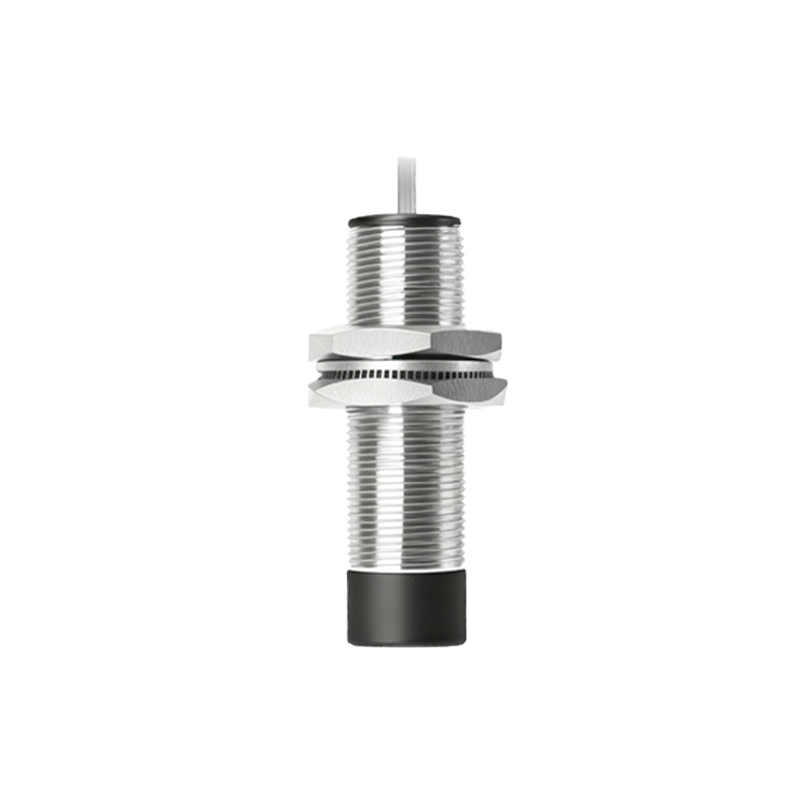
In the realm of industrial automation and control systems, miniature inductive proximity sensors play a pivotal role in detecting the presence or absence of metallic objects without physical contact. These compact devices are engineered to operate reliably in harsh environments, offering high precision and durability. Understanding their working principle is essential for engineers and technicians involved in designing, installing, and maintaining automated machinery.
At the core of an inductive proximity sensor lies an oscillator circuit that generates a high-frequency electromagnetic field. This field emanates from a coil wound around a ferrite core located at the active face of the sensor. When a conductive metal object enters this electromagnetic field, eddy currents are induced on the surface of the target. These eddy currents create an opposing magnetic field that interacts with the sensor's original field, leading to a change in the oscillator's amplitude or frequency.
The sensor's electronic circuitry continuously monitors the oscillator's behavior. As the target approaches, the energy loss due to eddy currents increases, causing a reduction in oscillation amplitude. Once this amplitude drops below a predefined threshold, the sensor triggers a switching action. This output signal can be in the form of a digital switch (e.g., NPN or PNP transistor) or an analog signal proportional to the distance, depending on the sensor type. The sensing range, typically from a few millimeters to about 15 mm for miniature versions, is determined by factors such as coil design, oscillator frequency, and target material properties.
Key components include the oscillator, demodulator, Schmitt trigger, and output stage. The demodulator converts the amplitude changes into a DC voltage, which is then compared to a reference level by the Schmitt trigger to ensure stable switching without chatter. The output stage amplifies the signal to drive external loads like PLCs, relays, or indicators. Miniature inductive sensors often incorporate protective features such as short-circuit and overload protection, along with housing materials like stainless steel or PBT plastic to resist mechanical stress, chemicals, and temperature extremes.
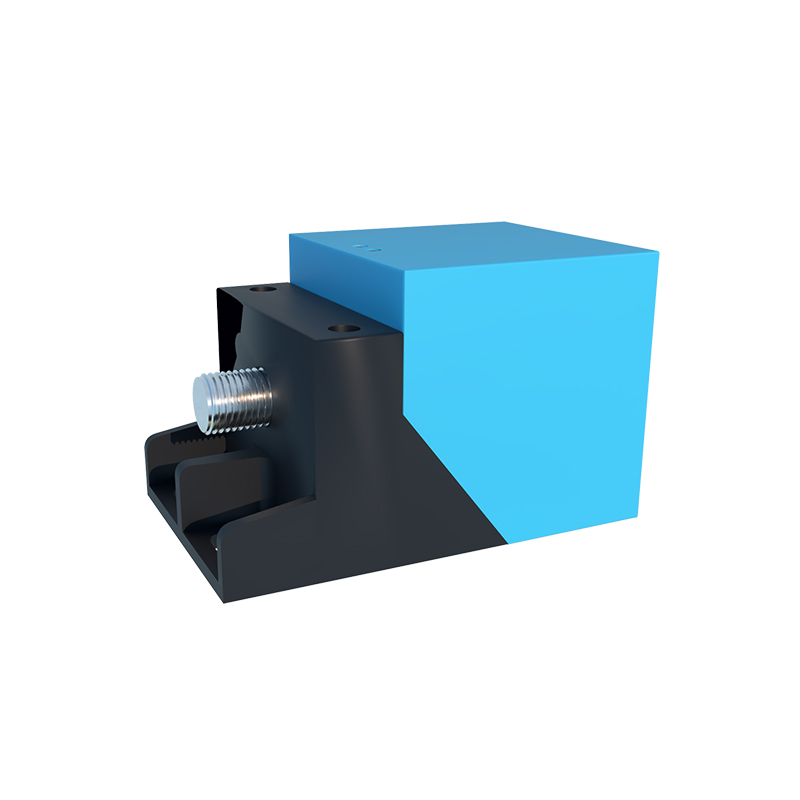
Applications span diverse industries, from automotive assembly lines detecting metal parts to packaging machinery monitoring product positioning. Their non-contact nature eliminates wear and tear, ensuring long service life and minimal maintenance. When selecting a sensor, engineers must consider parameters like sensing distance, target material (ferrous metals like iron and steel yield longer ranges than non-ferrous metals like aluminum or copper), switching frequency, and environmental conditions.
Advancements in miniaturization and integrated circuit technology have led to sensors with enhanced sensitivity and reduced hysteresis. Modern designs also incorporate IO-Link communication for digital parameterization and diagnostics, enabling smarter factory ecosystems. Despite their simplicity, these sensors are critical for ensuring operational safety and efficiency in automated processes.
In summary, miniature inductive proximity sensors operate on electromagnetic induction principles, converting changes in an oscillator's field into reliable electrical signals. Their robustness, accuracy, and compact form make them indispensable in contemporary industrial automation, driving productivity and innovation across sectors.