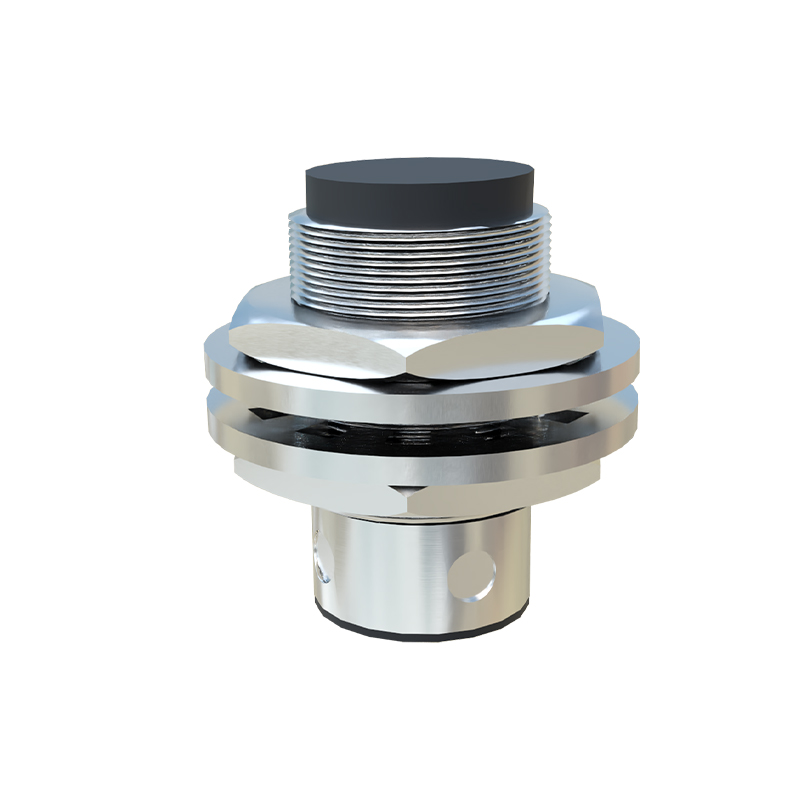
In the rapidly evolving landscape of industrial automation, photoelectric proximity sensors have become indispensable components for precise detection, positioning, and quality control. However, off-the-shelf sensors often fall short when faced with unique environmental challenges, specific space constraints, or specialized operational requirements. This is where customized photoelectric proximity sensor solutions offer a decisive advantage, enabling engineers to optimize performance, reliability, and integration efficiency.
Customization begins with a thorough analysis of the application environment. Factors such as ambient light interference, temperature extremes, humidity levels, and exposure to dust, oils, or chemicals must be carefully evaluated. For instance, in food and beverage processing, sensors may require stainless steel housings and IP69K ratings to withstand high-pressure washdowns and corrosive cleaning agents. In contrast, outdoor logistics applications might demand enhanced resistance to UV radiation and wide operating temperature ranges. By tailoring the housing material, sealing standards, and optical component coatings, a sensor can be engineered to maintain consistent accuracy and longevity in harsh conditions.
Another critical aspect of customization is the selection of sensing modes—diffuse, retro-reflective, or through-beam—each with distinct advantages. A diffuse sensor might be modified with background suppression technology to ignore reflective conveyor belts, while a through-beam system could be designed with polarized filters to eliminate false triggers from glossy packaging materials. The sensing range, response time, and light source (infrared, red light, or laser) are also fine-tuned based on target object properties like color, transparency, surface texture, and size. For detecting small or fast-moving items, a high-speed, focused laser sensor with sub-millisecond response might be developed, whereas for large opaque objects, a robust infrared diffuse sensor with extended range could be more suitable.
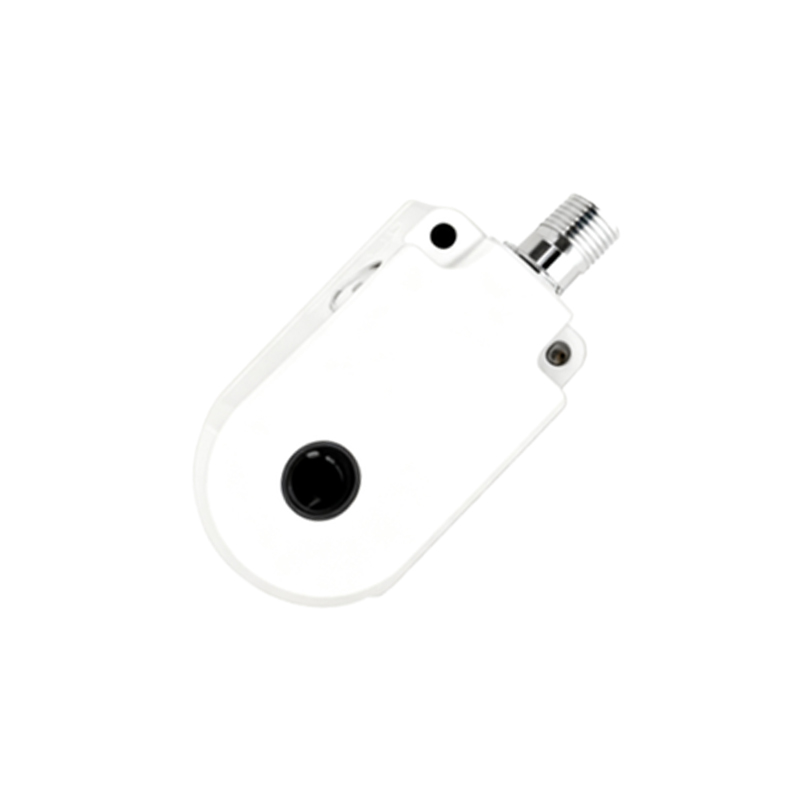
Electrical and output characteristics are equally adaptable. Custom voltage inputs (e.g., 12-24V DC, 90-250V AC), output types (PNP/NPN, analog, IO-Link, or Ethernet-based protocols), and connection interfaces (cable glands, M12/M8 connectors) ensure seamless integration into existing control systems. Advanced features like programmable logic, temperature compensation, or diagnostic indicators can be embedded to facilitate predictive maintenance and reduce downtime. In collaborative robotics, for example, sensors may be miniaturized and designed with low-power consumption to fit within compact robotic grippers, while providing real-time feedback via digital communication protocols.
The development process for a customized sensor typically involves close collaboration between the client’s engineering team and the sensor manufacturer. Prototyping, rigorous testing under simulated real-world conditions, and iterative refinements ensure that the final product meets exact specifications. By investing in a tailored photoelectric proximity sensor solution, industries can achieve higher precision, improved safety, and greater operational efficiency, ultimately driving productivity and reducing long-term costs.