In the realm of industrial automation and machinery, the selection of the appropriate proximity sensor is a critical decision that directly impacts system reliability, efficiency, and safety. These non-contact devices, which detect the presence or absence of an object, come in various technologies, each with distinct operating principles and application suitability. The choice is not arbitrary; it is governed by a systematic evaluation of several key parameters related to both the sensor and the target application.
The primary and most fundamental selection criterion is the sensing technology itself. The four main types are Inductive, Capacitive, Ultrasonic, and Photoelectric sensors. Inductive sensors are the workhorses for detecting metallic objects, primarily ferrous metals like steel and iron, though some models can detect non-ferrous metals at reduced ranges. They operate by generating an electromagnetic field; a metallic object entering this field induces eddy currents, causing a change in oscillation amplitude that is detected. They are robust, immune to environmental factors like dust or oil, and ideal for harsh industrial environments. Capacitive sensors, on the other hand, can detect nearly any material—metals, plastics, wood, liquids, and granular substances. They function by sensing changes in capacitance caused by a target entering an electrostatic field. This makes them perfect for level detection in tanks, material handling of non-metals, or detecting filled containers. Ultrasonic sensors use sound waves beyond human hearing. They measure the time taken for an emitted sound pulse to reflect off a target and return. This technology excels at distance measurement, level sensing of liquids or bulk solids, and detecting objects regardless of color, transparency, or material, though they can be affected by temperature variations and soft, sound-absorbing materials. Finally, Photoelectric sensors utilize a light beam (visible red, infrared, or laser). They are categorized into through-beam, retro-reflective, and diffuse reflective modes. They offer very long sensing ranges and can detect tiny objects. However, their performance can be influenced by environmental conditions like dust, fog, or the target object's color and reflectivity.
Beyond the core technology, the specific operating environment dictates many sensor specifications. The sensing range, or the maximum distance at which the sensor can reliably detect a standard target, is paramount. Always choose a sensor with a rated sensing range 10-20% greater than the maximum required distance to account for installation tolerances and potential drift. The size and shape of the target object are equally crucial. A small target requires a sensor with a correspondingly small sensing face or a focused beam. The material composition of the target, as discussed, directly points to the suitable technology.
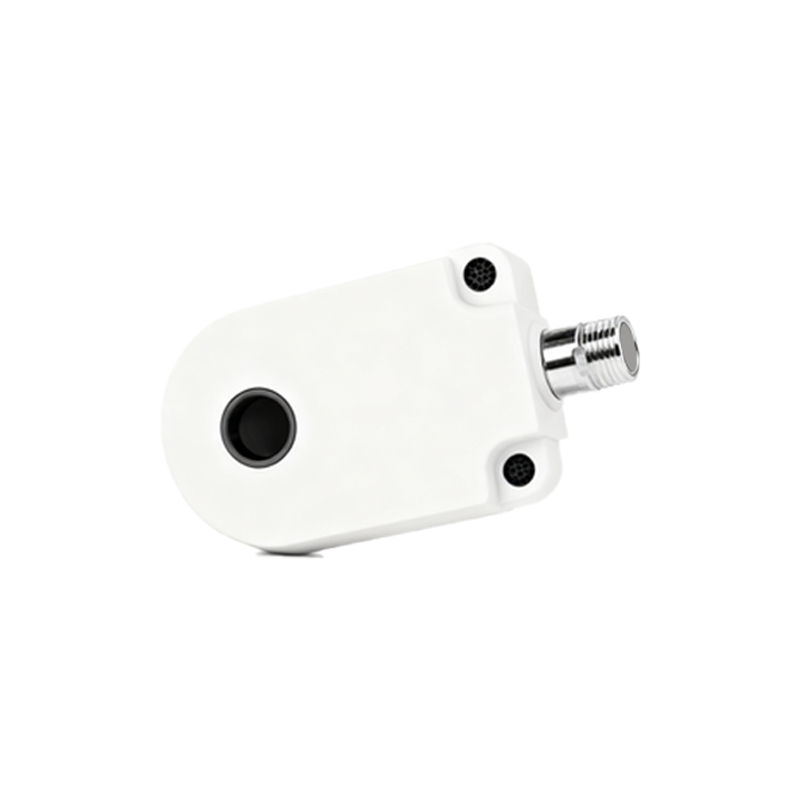
Environmental robustness is non-negotiable in industrial settings. The sensor's housing material and Ingress Protection (IP) rating define its resistance to dust and water. For washdown areas in food & beverage or pharmaceutical industries, a rating of IP67 or IP69K is essential. Similarly, the housing material (e.g., stainless steel, nickel-plated brass, or PBT plastic) must withstand chemical exposure, mechanical impacts, and temperature extremes. Operating temperature ranges specified by the manufacturer must encompass all ambient conditions the sensor will face.
Electrical characteristics must seamlessly integrate with the control system. The output type is a key decision: DC sensors offer PNP (sourcing) or NPN (sinking) transistor outputs, while AC/DC models often have relay outputs. The choice depends entirely on the input card of your PLC or controller. The supply voltage (e.g., 10-30V DC, 20-250V AC) must match the available power. The output current rating must be sufficient to drive the connected load, such as a PLC input or a small relay. For high-speed applications like counting or speed detection, the sensor's switching frequency (response time) becomes critical. A sensor with a 1ms response time can handle up to 1000 operations per second, whereas a 10ms sensor cannot.
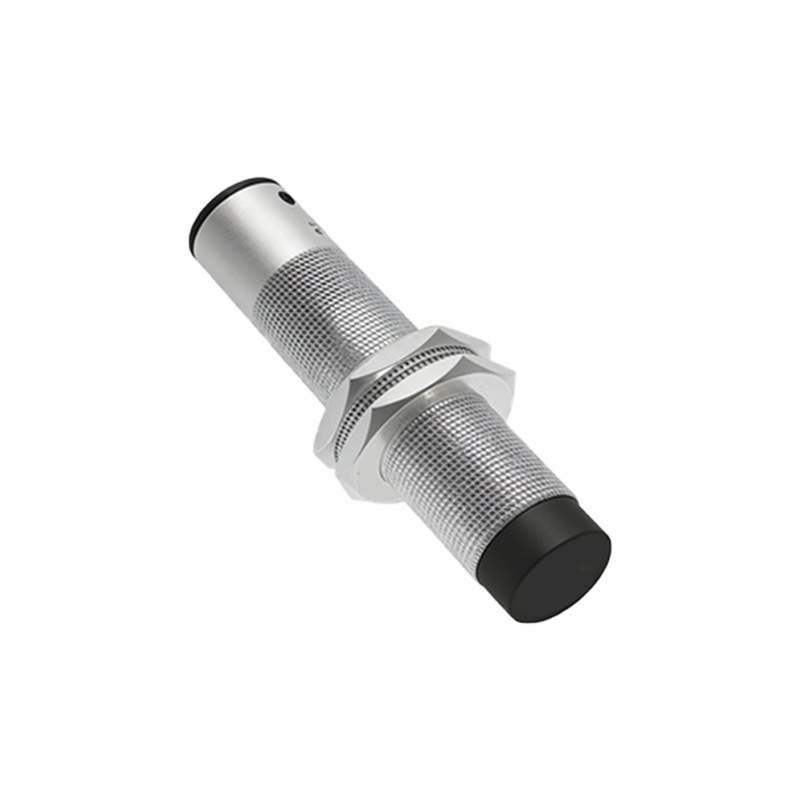
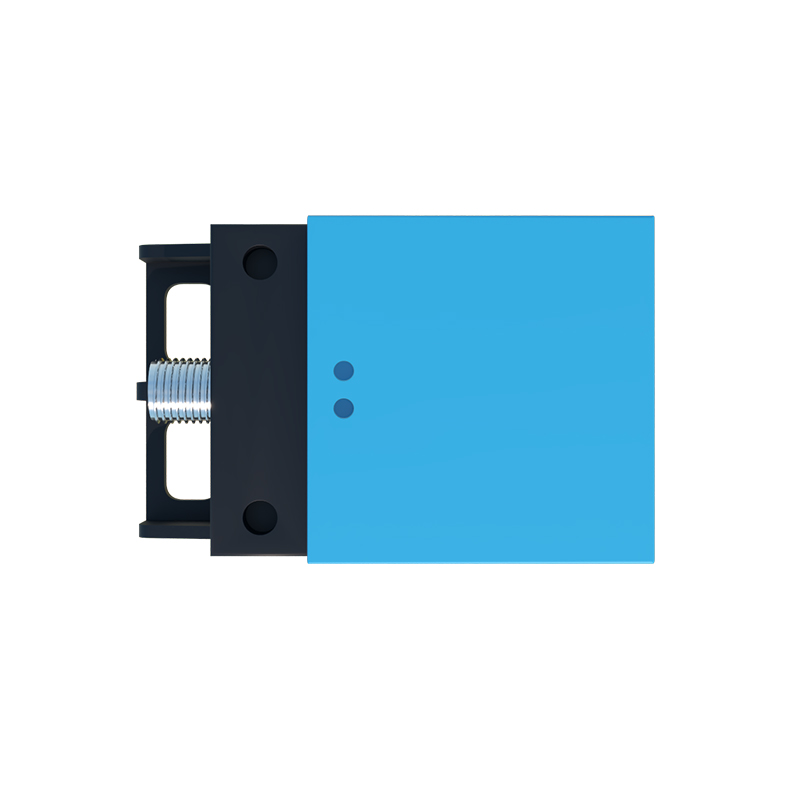
Finally, physical characteristics like housing style (barrel-shaped, rectangular, or ring-shaped), connection method (pre-wired cable or quick-disconnect), and mounting constraints (flush or non-flush mounting for inductive sensors) must be considered for practical installation. A non-flush mount inductive sensor has a longer range but requires more clearance around its sensing face, whereas a flush-mount sensor can be embedded in metal without issue but has a shorter range.
In conclusion, there is no universal "best" proximity sensor. The optimal choice is a calculated compromise derived from answering a series of application-specific questions: What is the target material? What is the required sensing distance? What are the environmental conditions? What are the electrical interface requirements? By methodically analyzing these factors—technology, environment, electrical specs, and physical form—engineers can specify a proximity sensor that delivers precise, reliable, and long-lasting performance, ensuring the smooth