In the realm of industrial automation and machine safety, proximity sensors are indispensable components. They detect the presence or absence of an object without physical contact, enabling precise control, counting, and positioning in countless applications. A common question from engineers and procurement specialists is: "Where can I find reliable proximity sensors?" The answer lies in understanding the diverse channels and key selection criteria for sourcing these critical devices.
The primary source for proximity sensors is through authorized distributors of major industrial automation brands. Companies like Siemens, Omron, Rockwell Automation (Allen-Bradley), Schneider Electric, and Pepperl+Fuchs maintain extensive global networks of technical distributors. These distributors offer several advantages. They provide access to genuine, certified products with full manufacturer warranties. More importantly, they offer crucial technical support, helping you select the correct sensor type (inductive, capacitive, ultrasonic, or photoelectric) for your specific application, whether it's detecting metal parts on a conveyor, monitoring liquid levels, or ensuring machine guarding safety. They can also assist with datasheet interpretation, mounting considerations, and compatibility with your existing PLC systems.
For more specialized or cost-sensitive projects, direct procurement from dedicated sensor manufacturers is a viable path. Numerous established and emerging manufacturers focus specifically on sensor technology. Sourcing directly can sometimes offer more competitive pricing, access to a broader range of specialized models (e.g., high-temperature, weld-immune, or miniature sensors), and more flexible customization options. Engaging with these manufacturers often requires a higher volume commitment or a more defined technical specification, but it builds a direct relationship with the engineering team behind the product.
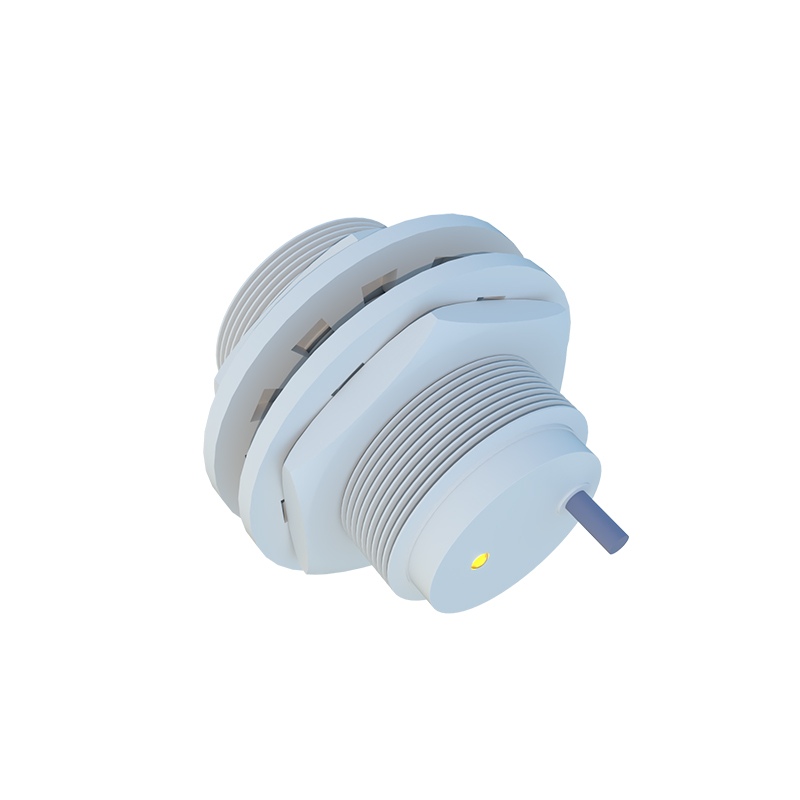
In the digital age, online industrial marketplaces and component suppliers have become a significant channel. Platforms like Digi-Key, Mouser, RS Components, and Amazon Business host vast inventories of proximity sensors from hundreds of brands. These platforms are excellent for rapid prototyping, small-batch purchases, or sourcing replacement parts with fast shipping. The key here is diligence. Always verify the supplier's authenticity, check for manufacturer authorization, and scrutinize product specifications and reviews. Beware of counterfeit components, which are a persistent risk in electronic procurement and can lead to system failures and safety hazards.

Beyond the "where," the "how to choose" is equally critical. Selecting a supplier isn't just about finding a product listing; it's about securing a reliable partner for your operations. First, assess technical capability. Can the supplier answer detailed questions about sensing distance, target material, output types (PNP/NPN, NO/NC), and housing materials (nickel-plated brass, stainless steel)? Second, evaluate logistical performance. Consistent availability, reliable lead times, and efficient shipping are essential to prevent production downtime. Third, consider value-added services. Does the supplier offer CAD models for design integration, comprehensive documentation, or local inventory? Finally, factor in total cost of ownership, which includes not just the unit price but also the cost of potential failures, maintenance, and integration support.
For urgent needs or localized support, regional electrical wholesalers and industrial supply houses remain a practical resource. They typically stock common models from leading brands and can provide immediate pickup or rapid local delivery. While their technical depth might not match that of a specialized distributor, they solve the problem of immediate availability.
In conclusion, proximity sensors are ubiquitously available through a multi-tiered supply chain. The optimal source depends entirely on your project's phase, volume, technical complexity, and strategic priorities. For new system designs and critical applications, partnering with an authorized technical distributor provides security and expertise. For high-volume standard applications, direct manufacturer engagement may yield benefits. For maintenance and repair operations (MRO) or fast-paced prototyping, reputable online platforms offer convenience. By clearly defining your technical requirements and supplier criteria, you can efficiently navigate the market to find not just a sensor, but a reliable solution that ensures the longevity, safety, and efficiency of your automated systems.