In the realm of industrial automation and machinery, the reliable detection of ferrous materials, particularly iron wires, is a fundamental task. Proximity sensors, specifically inductive proximity sensors, are the cornerstone technology for this application. Their non-contact operation, high switching frequency, and robustness make them indispensable in environments ranging from wire drawing and cable manufacturing to sorting systems and safety interlocks. This article delves into the operational principles, key selection criteria, and practical application guidelines for using proximity sensors to detect iron wires.
The core principle behind an inductive proximity sensor is electromagnetic induction. The sensor's active face contains a coil that is part of an oscillator circuit, generating a high-frequency electromagnetic field. When a conductive metal object, such as an iron wire, enters this field, eddy currents are induced on the surface of the object. These eddy currents draw energy from the oscillator, causing a reduction in its amplitude. An evaluation circuit within the sensor monitors this amplitude change. Once the amplitude drop exceeds a predefined threshold—corresponding to the object being within the specified sensing distance—the sensor's output state switches, sending a signal to a controller like a PLC.
For detecting iron wires, several sensor characteristics are paramount. First is the nominal sensing distance (Sn), typically specified for a standard target of mild steel. It's crucial to understand that the effective sensing distance for a thin iron wire will be significantly less than Sn. Factors like wire diameter, orientation, and material composition directly influence this. A general rule is that the wire diameter should be at least 30-50% of the sensor's face diameter for reliable detection. Secondly, the switching frequency defines how quickly the sensor can detect objects passing by. For high-speed production lines where wires move rapidly, a high switching frequency (often in the kHz range) is essential to avoid missed detections.
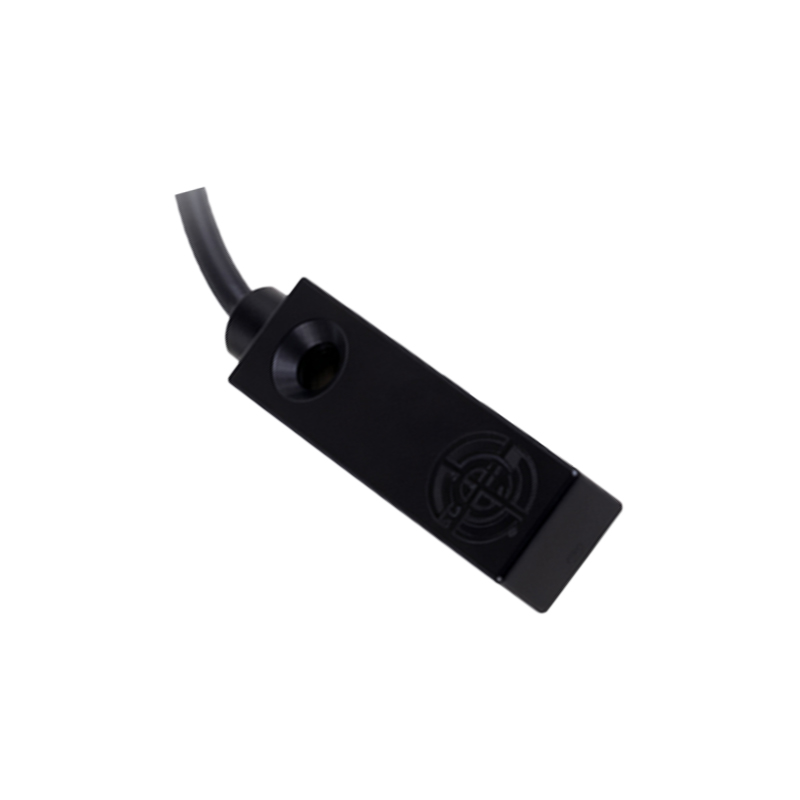
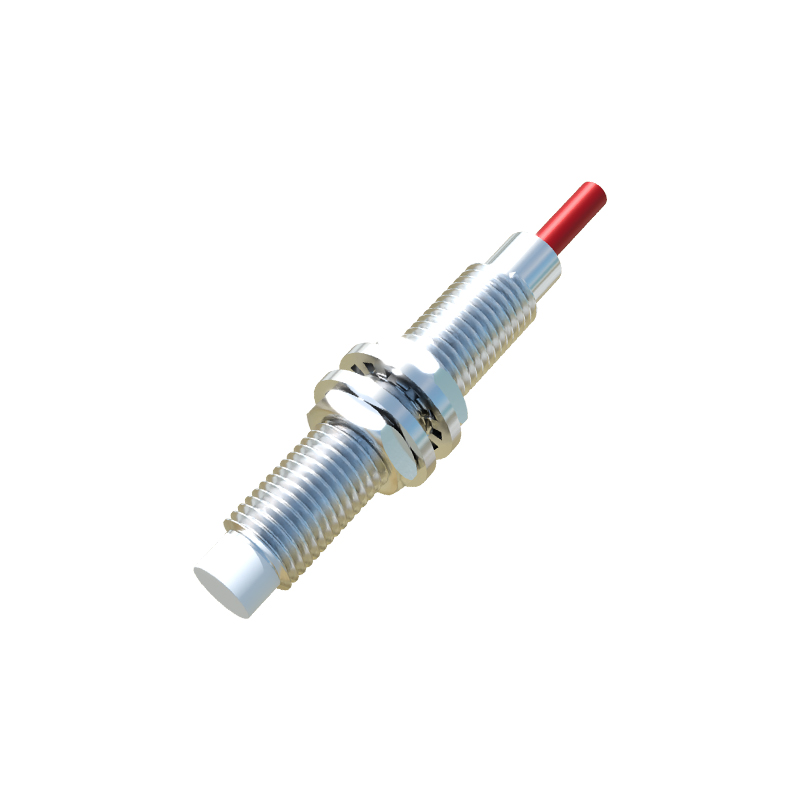
Sensor housing and form factor are critical for integration. Cylindrical sensors (e.g., M8, M12, M18, M30 threads) are common, but rectangular or slot-type sensors are often superior for detecting thin wires. A slot-type sensor creates a defined "window," and a wire passing through this window reliably interrupts the magnetic field, offering precise positional detection. The choice of output type (PNP/NPN, NO/NC) must be compatible with the control system's input module. Shielded (flush-mountable) sensors allow installation in metal without affecting the sensing field, while unshielded (non-flush) sensors offer a longer sensing range but require non-metallic surroundings.
Environmental considerations cannot be overstated. Industrial settings may expose sensors to coolant, metal chips, dust, and vibration. Sensors with high IP ratings (e.g., IP67, IP69K) ensure protection against liquids and solids. Temperature ratings must align with the operational environment. Furthermore, the presence of other metallic objects in the vicinity can cause false triggering. Careful mounting and, if necessary, using sensors with built-in immunity or teach-in functionality to ignore background metals, are vital steps.
Practical installation and alignment are often the difference between success and failure. For optimal detection of a moving iron wire, the sensor should be positioned so that the wire passes as close to the center of the sensing face as possible. Angling the sensor or using a guide to ensure consistent wire path can dramatically improve reliability. It is also advisable to derate the nominal sensing distance; for a thin wire, assume a usable sensing distance of 30-60% of the catalog Sn value. Regular maintenance, including cleaning the sensing face of debris and verifying the electrical connections, ensures long-term operational integrity.
In conclusion, the successful detection of iron wires with proximity sensors is a blend of correct technology selection and meticulous application engineering. By understanding the electromagnetic principles, carefully evaluating the target characteristics (diameter, speed), selecting an appropriate sensor form factor and housing, and adhering to robust installation practices, engineers can achieve highly reliable and maintenance-free detection. This ensures smoother automation processes, improved quality control, and enhanced safety in countless industrial applications involving ferrous wire handling.