In the realm of industrial automation and control systems, proximity sensor switches stand as fundamental components, enabling non-contact detection of objects with precision and reliability. These devices are engineered to sense the presence or absence of a target object within a specified range without any physical contact, thereby eliminating mechanical wear and tear and allowing for high-speed operation. This article delves into the core principles, primary types, key applications, and essential selection factors for proximity sensor switches, providing a comprehensive guide for engineers and technicians.
The fundamental operating principle of most proximity sensors is based on electromagnetic fields or capacitive changes. Inductive proximity sensors, one of the most common types, generate an oscillating electromagnetic field. When a metallic object enters this field, it induces eddy currents within the target, causing a change in the oscillation amplitude. This change is detected by the sensor's internal circuitry, which subsequently triggers a solid-state switch output. Capacitive proximity sensors, on the other hand, can detect both metallic and non-metallic objects (such as plastics, liquids, or wood) by sensing changes in capacitance between the sensor's active face and the target. Other prevalent types include ultrasonic sensors, which use sound waves, and photoelectric sensors, which employ light beams. However, the term "proximity switch" is most frequently associated with inductive and capacitive variants.
The selection of a proximity sensor switch is critical for system performance and longevity. Several key parameters must be considered. First, the sensing range, which specifies the maximum distance at which the sensor can reliably detect a standard target. It is crucial to note that factors like target material, size, and shape can affect the effective sensing distance. Second, the output type is a decisive factor. Common outputs include NPN (sinking) and PNP (sourcing) transistor configurations for DC sensors, as well as relay and analog outputs for specific applications. The choice depends on the compatibility with the programmable logic controller (PLC) or other control devices. Third, the housing material and environmental rating (typically denoted by IP or NEMA codes) are vital for ensuring durability in harsh conditions involving dust, moisture, oils, or chemical exposure. Stainless steel housings are often preferred for washdown or corrosive environments.
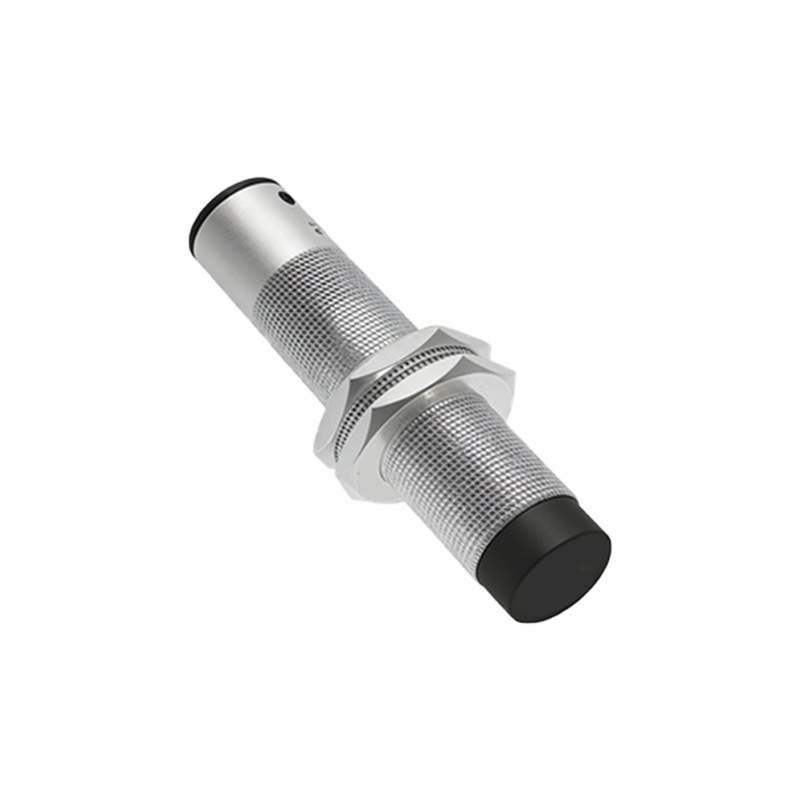
Furthermore, the switching frequency, or response time, determines how quickly the sensor can detect objects in high-speed applications like packaging or sorting. Engineers must also consider the installation method (flush or non-flush mounting), electrical connections (pre-wired connectors or terminal connections), and the presence of built-in diagnostics like LED status indicators. A common oversight is neglecting the influence of surrounding metals. For inductive sensors, mounting in a metallic environment (non-flush mounting) can reduce the nominal sensing range, a factor accounted for in datasheet specifications.
The applications of proximity sensor switches are vast and integral to modern manufacturing. In automotive assembly lines, they are used for part presence verification, robot positioning, and end-of-arm tooling detection. In material handling, they detect pallets on conveyors, control gate positions, and count products. In machine tools, they serve as limit switches to prevent over-travel, monitor spindle position, and confirm tool changer status. Their non-contact nature makes them ideal for applications where cleanliness is paramount, such as in food and beverage or pharmaceutical production, where they can detect fill levels, cap placement, or label presence without contamination risk.
In conclusion, proximity sensor switches are indispensable workhorses in industrial automation. Their ability to provide reliable, maintenance-free object detection contributes significantly to enhanced productivity, safety, and quality control. A thorough understanding of their operating principles, alongside a meticulous evaluation of application requirements against sensor specifications, is essential for optimal system integration. As technology advances, features like increased intelligence, IO-Link communication for parameter setting and diagnostics, and miniaturization continue to expand the capabilities and applications of these versatile devices, solidifying their role in the evolving landscape of smart factories and Industry 4.0 initiatives.