Proximity sensors are essential components in modern industrial automation, offering non-contact detection of objects within a specific range. These devices are widely used in manufacturing, robotics, and safety systems due to their reliability and precision. This tutorial provides a comprehensive guide on how to effectively use proximity sensors, along with resources for downloading detailed manuals and application notes.
First, understand the basic types of proximity sensors: inductive, capacitive, ultrasonic, and photoelectric. Inductive sensors detect metallic objects, making them ideal for metalworking and machinery. Capacitive sensors can sense both metallic and non-metallic materials, useful in liquid level detection or plastic handling. Ultrasonic sensors use sound waves for distance measurement, while photoelectric sensors rely on light beams for object detection. Each type has specific applications, so selecting the right sensor is crucial for optimal performance.
To use a proximity sensor, start by reviewing the manufacturer's datasheet and installation guidelines. Ensure proper mounting—sensors should be positioned to avoid interference from other equipment or environmental factors like dust and moisture. Wiring is straightforward: typically, sensors have three wires (power, ground, and output) that connect to a PLC or control system. Always follow safety protocols, such as disconnecting power during installation, to prevent accidents.
Calibration and testing are key steps. Adjust the sensing range or sensitivity according to the target object's size and material. Many sensors feature LED indicators to signal detection, aiding in troubleshooting. For complex setups, use configuration software provided by manufacturers to fine-tune parameters like response time and output signals.
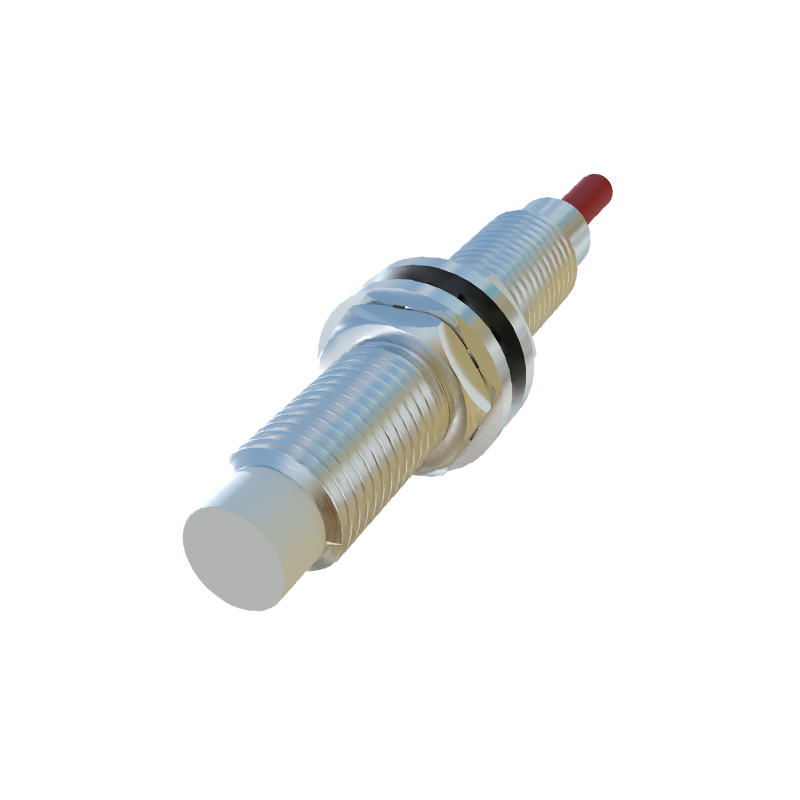
For tutorial downloads, visit reputable industrial automation websites or manufacturer portals. Companies like Omron, Schneider Electric, and Siemens offer free PDF guides, video tutorials, and software tools. Search for keywords like "proximity sensor user manual" or "industrial sensor application guide" to find relevant resources. These downloads often include wiring diagrams, programming examples, and maintenance tips, enhancing your practical skills.
In summary, mastering proximity sensors involves selecting the appropriate type, following installation best practices, and utilizing available tutorials for continuous learning. By leveraging downloadable resources, engineers can stay updated on advancements and improve system efficiency in various industrial settings.