Capacitive proximity sensors are versatile devices widely used in industrial automation for detecting both metallic and non-metallic objects without physical contact. Operating on the principle of capacitance change, these sensors generate an electrostatic field and detect variations caused by the presence of target materials. This article explores practical applications and case studies across various industries, highlighting their adaptability and efficiency.
In the food and beverage industry, capacitive sensors play a critical role in ensuring hygiene and accuracy. For instance, they monitor liquid levels in opaque containers, such as milk or juice tanks, where optical sensors fail due to transparency issues. A dairy processing plant in Germany implemented capacitive sensors to control filling operations, reducing spillage by 30% and improving production speed. The sensors detect the liquid surface through plastic or glass walls, enabling non-invasive measurement that complies with strict sanitary standards.
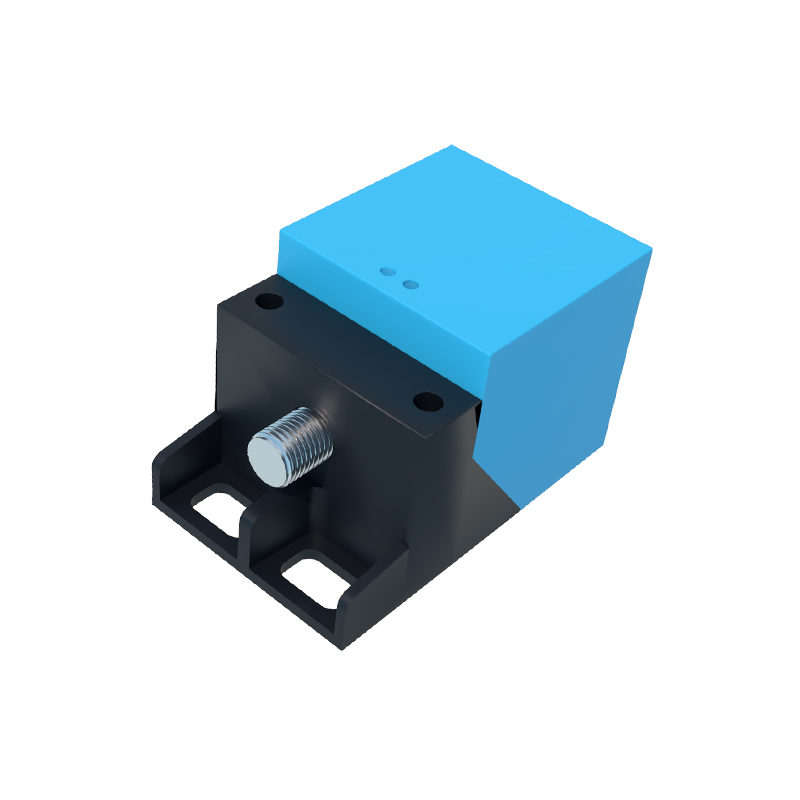
Packaging lines benefit significantly from capacitive sensors' ability to detect diverse materials. In a cardboard box assembly system, sensors identify missing inserts or labels, even when materials have varying thicknesses or colors. A case study from a pharmaceutical company in the United States showed that integrating capacitive sensors reduced packaging errors by 25%, ensuring compliance with regulatory requirements. The sensors' adjustable sensitivity allows customization for different packaging types, from thin plastic wraps to corrugated boxes.
Woodworking and textile industries utilize capacitive sensors for material presence detection. In sawmills, sensors detect wood blocks on conveyor belts, triggering cutting mechanisms precisely. A Swedish furniture manufacturer reported a 20% increase in efficiency after installing capacitive sensors to monitor wood chip accumulation in dust collection systems, preventing clogging and downtime. Similarly, in textile mills, sensors control thread tension by detecting breaks or irregularities in fabric rolls, enhancing product quality.
Automotive manufacturing relies on capacitive sensors for non-metallic component verification. During interior assembly, sensors confirm the presence of plastic dashboards, rubber seals, or glass panels before robotic arms proceed with installation. A Japanese automotive plant documented a 15% reduction in assembly defects after deploying capacitive sensors to inspect adhesive application on windshields. The sensors detect minute gaps or excess adhesive, ensuring proper bonding without damaging delicate surfaces.
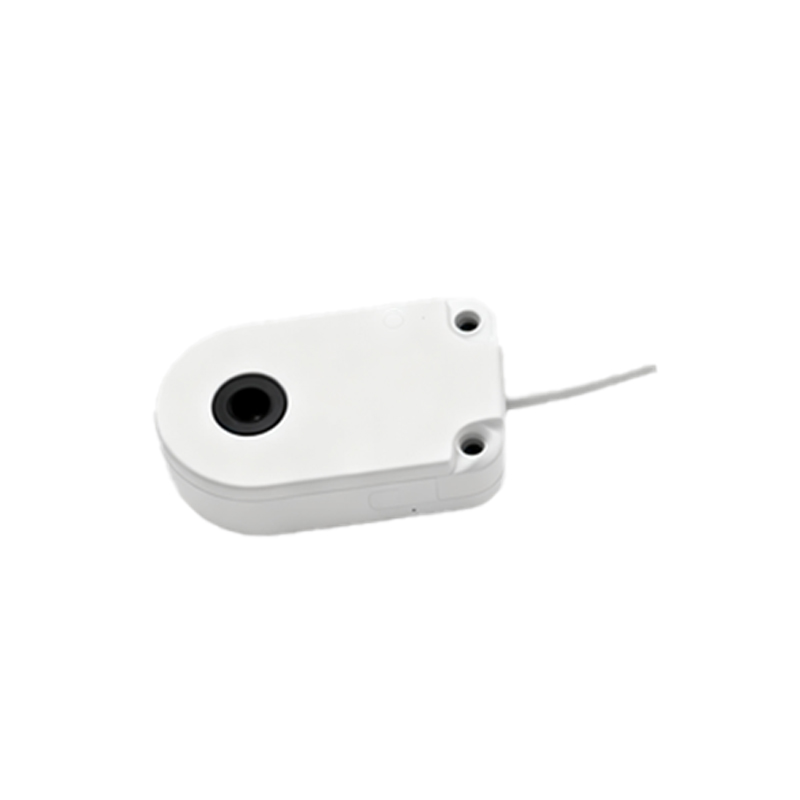
In agriculture, capacitive sensors optimize processes like grain handling. They monitor silo levels by detecting the capacitance change caused by grain presence, preventing overflows or shortages. A Canadian farm cooperative implemented these sensors in automated feeding systems, achieving 95% accuracy in inventory management. The sensors withstand dusty environments and temperature fluctuations, proving durable in harsh conditions.
Capacitive sensors also enhance safety systems. On conveyor belts transporting non-metallic materials, such as plastics or ceramics, emergency stop mechanisms activate when sensors detect human proximity beyond safe limits. A European logistics center integrated capacitive mats near robotic workstations, reducing accident rates by 40% through real-time presence monitoring.
Despite their advantages, challenges like false triggering from environmental factors (e.g., humidity or temperature changes) exist. Modern capacitive sensors address this with advanced shielding and digital filtering. For example, a sensor with auto-compensation technology adjusts its threshold based on ambient conditions, maintaining reliability in variable environments.
Future trends include IoT integration, where capacitive sensors transmit data to cloud platforms for predictive maintenance. In a smart factory pilot project, sensors monitored machine wear by detecting subtle material changes, cutting maintenance costs by 18%. As industries embrace automation, capacitive proximity sensors will continue evolving, offering higher precision and connectivity for diverse applications.
Overall, capacitive proximity sensors provide a reliable solution for non-contact detection across multiple sectors. Their ability to handle non-metallic materials, adapt to harsh environments, and integrate with automated systems makes them indispensable in modern industrial operations. By leveraging real-world case studies, companies can optimize processes, reduce waste, and enhance safety, driving innovation in automation technology.