Proximity sensors are indispensable components in modern industrial automation, providing non-contact detection of objects within a defined sensing range. Their ability to operate without physical contact ensures reliability, longevity, and high-speed operation in harsh environments. Understanding the different types is crucial for selecting the right sensor for a specific application. This guide details the primary proximity sensor technologies, their operating principles, advantages, and typical use cases.
The most common categorization is based on the underlying detection technology. The first major type is the Inductive Proximity Sensor. This sensor generates an electromagnetic field using a coiled oscillator circuit. When a metallic object enters this field, it induces eddy currents within the target, causing a change in the oscillation amplitude. This change is detected by the sensor's circuitry, triggering an output signal. Inductive sensors are exclusively for detecting metals, with their effective sensing range varying based on the metal's properties (ferrous metals like iron and steel are detected at greater distances than non-ferrous metals like aluminum or copper). They are renowned for their robustness, high switching frequency, and immunity to environmental factors like dust, oil, and moisture. Typical applications include position sensing of machine parts, end-of-travel detection in cylinders, and metal counting on conveyor lines.
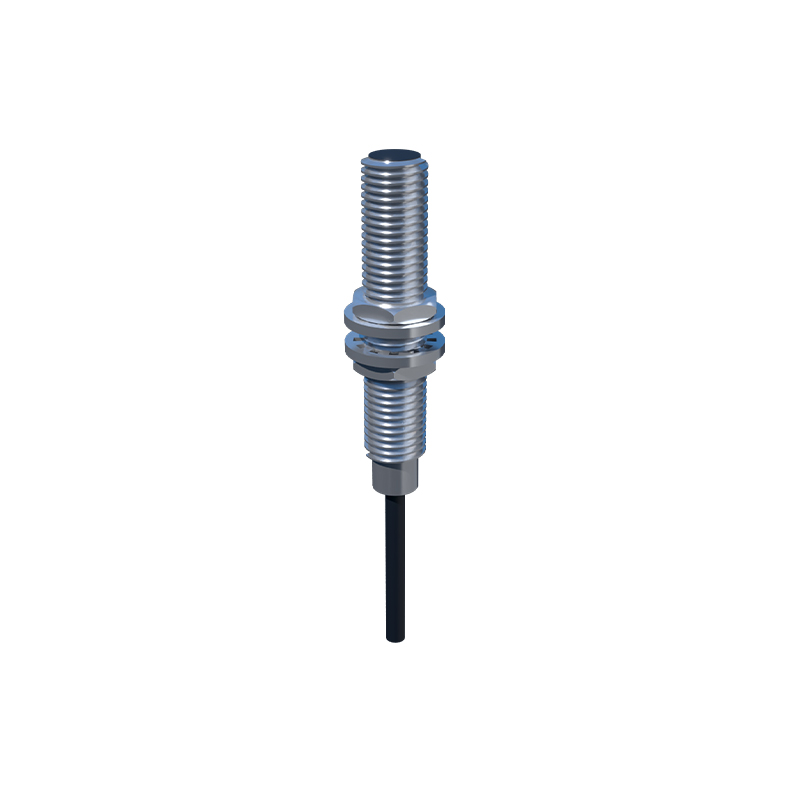
The second major category is the Capacitive Proximity Sensor. These sensors function by generating an electrostatic field. Any object, metallic or non-metallic, that enters this field alters the capacitance of the sensor's circuit. This alteration is measured, and when it exceeds a preset threshold, the sensor switches its output state. This makes capacitive sensors incredibly versatile, capable of detecting liquids, plastics, glass, wood, and granular materials. They are often used for level detection in tanks (for liquids or powders), presence detection of non-metallic objects on packaging lines, and touch-sensitive control panels. However, they can be more susceptible to environmental changes like humidity and require careful tuning to ignore background materials.
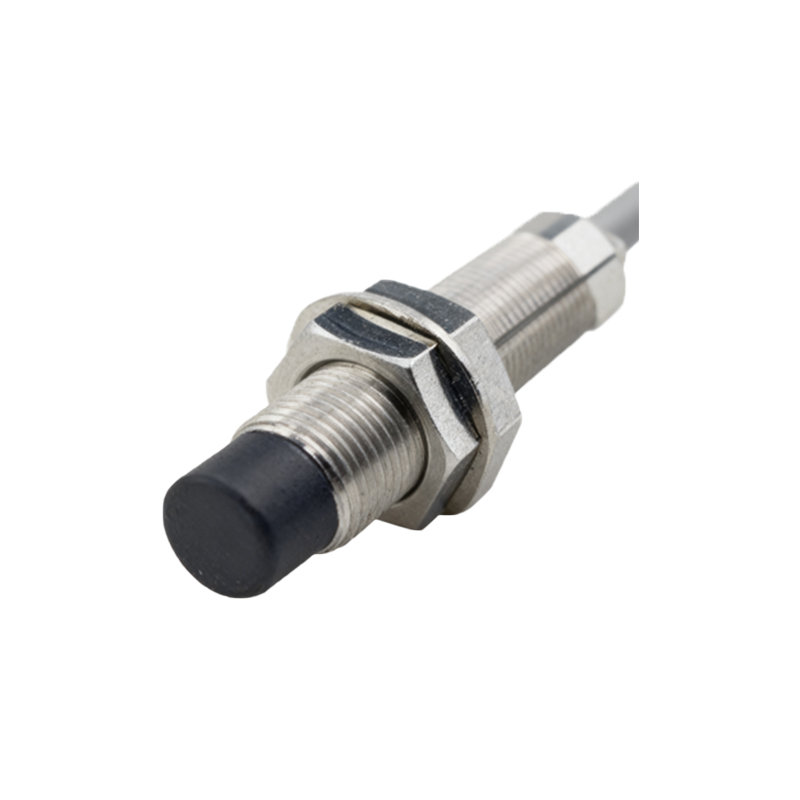
Third are Ultrasonic Proximity Sensors. These devices operate on the principle of sound wave echo. The sensor emits high-frequency ultrasonic pulses and then listens for the reflected echo. By calculating the time difference between the emission and reception of the signal, the sensor can determine the presence and distance of an object. This technology excels at detecting objects regardless of their material, color, or transparency. It is ideal for applications requiring precise distance measurement, bulk level sensing in silos, and detecting clear objects like glass bottles. Challenges can include false echoes from complex surfaces or environmental factors like temperature variations that affect sound speed.
Fourth, we have Photoelectric Sensors, which use light beams for detection. While often considered a separate family, they are a key proximity sensing technology. They consist of a light emitter (usually LED) and a receiver. In the proximity (diffuse) mode, the sensor emits light, and the target object reflects it back to the receiver. Detection occurs when sufficient reflected light is received. These sensors offer long sensing ranges and can detect virtually any material. They are perfect for detecting small objects, transparent materials (with specialized models), and in applications requiring longer ranges than inductive or capacitive sensors can provide. Their performance can be affected by ambient light, color, and surface reflectivity of the target.
A fifth, specialized type is the Magnetic Proximity Sensor (often called Reed Switch or Hall Effect sensor). These detect the presence of a permanent magnet. Reed switches use hermetically sealed ferromagnetic reeds that close or open in the presence of a magnetic field. Hall Effect sensors produce a voltage change when exposed to a magnetic field. They are extremely reliable for detecting the position of pneumatic cylinder pistons (which have embedded magnets), in safety door interlocks, and in low-power, low-speed applications. They are immune to non-magnetic contaminants.
Selection criteria depend on multiple factors: Target Material (metal, plastic, liquid), Required Sensing Distance, Environmental Conditions (temperature, presence of washdown chemicals, dust), Switching Frequency, and Output Requirements (PNP/NPN, analog, IO-Link). For instance, an inductive sensor is the default choice for detecting a steel gear tooth at high speed, while a capacitive sensor is necessary for monitoring plastic bottle fill level, and an ultrasonic sensor is best for measuring the distance to a lumber stack.
In conclusion, the "best" proximity sensor does not exist; only the most appropriate one for the task. Inductive sensors dominate metal detection, capacitive sensors offer material versatility, ultrasonic sensors provide reliable distance-based detection, photoelectric sensors enable long-range and small-part sensing, and magnetic sensors offer simple, robust position feedback. A thorough analysis of the application parameters is the first and most critical step in the selection process, ensuring optimal performance, reliability, and cost-efficiency in any automated system.
SEO