In the realm of industrial measurement and control, the demand for non-contact, high-precision speed monitoring is paramount. The Laser Tachometer, often associated with the LEM (Laser Engineered Measurement) principle or high-quality manufacturers like LEM, stands as a critical tool for engineers and technicians. This article delves into the technology, key applications, and essential factors for selecting the right laser tachometer for your needs.
At its core, a laser tachometer is a non-contact instrument designed to measure the rotational or linear speed of a target. It operates by emitting a focused beam of laser light onto the object's surface. A reflective marker, or sometimes the natural texture of the surface, intermittently reflects this light back to the sensor. The device's internal photodetector captures these reflected pulses. By calculating the frequency of these returning pulses, the tachometer accurately determines the rotational speed (RPM - Revolutions Per Minute) or surface speed. The term "LEM" in this context often refers to a category of precision-engineered sensors or is used colloquially for high-grade devices, emphasizing Laser Engineered Measurement principles that ensure reliability and accuracy.
The advantages of using a laser tachometer are numerous. Firstly, its non-contact nature eliminates the risk of mechanical wear, slippage, or load imposition on the measured shaft or surface, which is a significant limitation of traditional contact tachometers. This makes it ideal for delicate machinery, hot surfaces, or hazardous environments. Secondly, it offers exceptional precision, often with accuracies within ±0.05% of reading or better, and a high resolution, typically 0.1 RPM. The measurement distance can vary, with many professional models offering ranges from a few centimeters up to several meters, providing operational flexibility. Modern units are typically handheld, battery-operated, and feature user-friendly interfaces with backlit LCD displays for easy reading in low-light conditions.
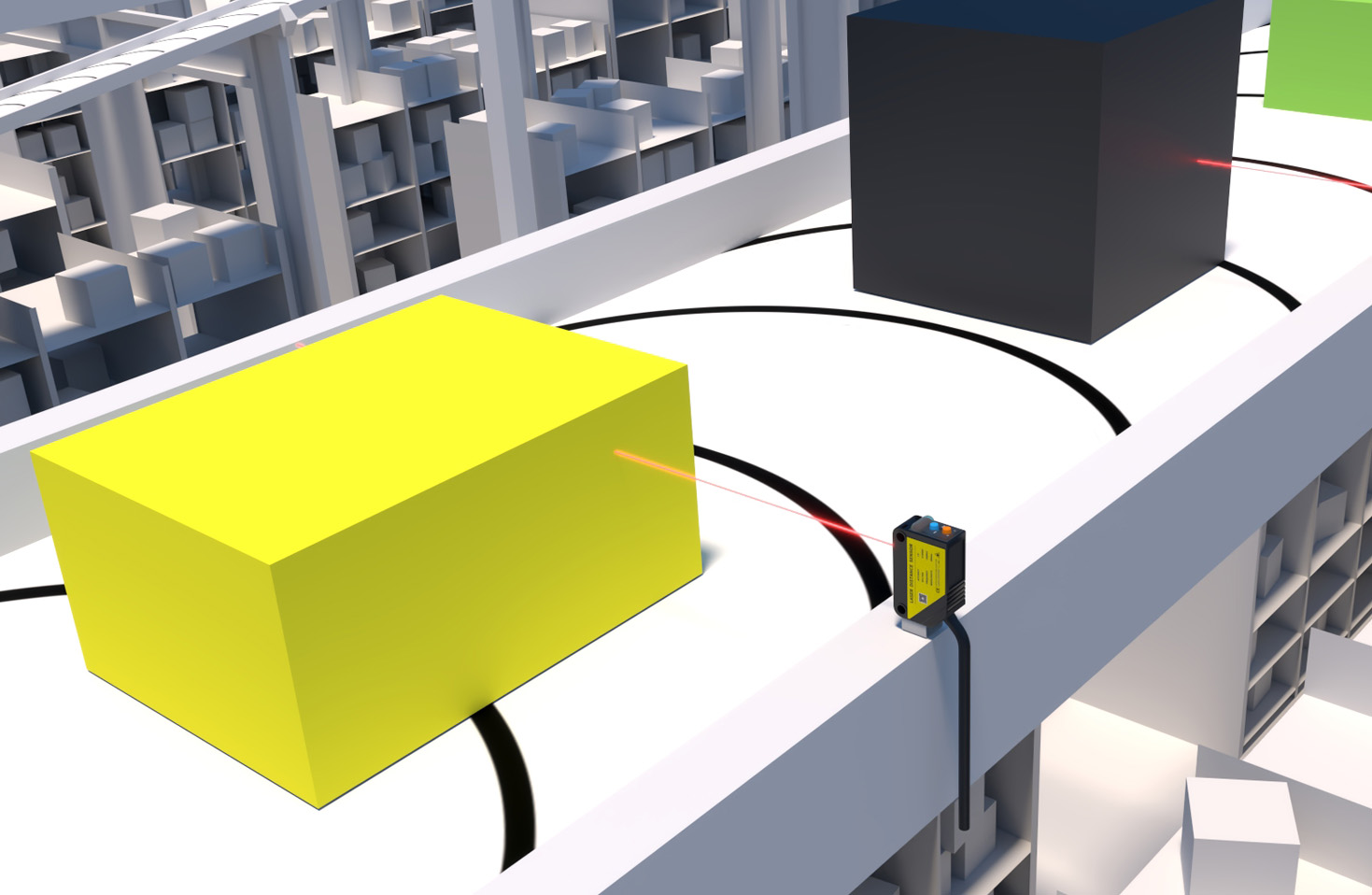
The applications of laser tachometers span across diverse industries. In manufacturing and plant maintenance, they are indispensable for checking motor speeds, conveyor belt velocities, fan RPMs, and pump rotations, facilitating predictive maintenance and troubleshooting. Within the automotive sector, engineers use them to measure engine RPM, wheel speed, and turbocharger shaft speeds during testing and diagnostics. In the aerospace industry, they assist in the testing of turbines and auxiliary power units. Furthermore, they find use in laboratory research, HVAC system balancing, and even in educational settings for physics experiments.
When selecting a laser tachometer, several technical specifications warrant careful consideration. The primary parameter is the measurement range, expressed in RPM or linear speed (m/min, ft/min). Ensure the device's range comfortably covers your application's maximum and minimum speeds. Accuracy and resolution are critical for demanding tasks; always check the datasheet for these figures. The measuring distance is another key factor—determine how far you need to be from the target. The laser's class (typically Class II) indicates its safety level; Class II lasers are considered eye-safe for accidental brief exposure. Operational features like data hold, max/min/avg recording, and the ability to switch between RPM, RPS (Revolutions Per Second), and linear speed units enhance functionality. For integration into data acquisition systems, models with analog output (4-20mA, 0-10V) or digital interfaces (USB, Bluetooth) are available. Durability is also crucial; look for robust housing with an appropriate IP (Ingress Protection) rating for your environment.
For optimal performance, proper usage is essential. Always aim the laser beam perpendicularly at the target surface. Apply the provided reflective tape if the surface is dark, non-reflective, or glossy, as this significantly improves signal strength and measurement reliability. Ensure the measurement environment is free from strong ambient light interference, such as direct sunlight or other powerful light sources, which can disrupt the sensor. Regularly calibrate the instrument as per the manufacturer's guidelines to maintain long-term accuracy.

In conclusion, the laser tachometer, embodying LEM-grade precision and engineering, is a versatile and powerful instrument for modern industry. Its non-contact operation, high accuracy, and adaptability make it a superior choice over traditional methods for a wide array of speed measurement challenges. By understanding its operating principle, recognizing its broad applications, and carefully evaluating specifications like range, accuracy, and features, engineers and maintenance professionals can select the ideal tool to enhance efficiency, ensure safety, and maintain the optimal performance of critical machinery.