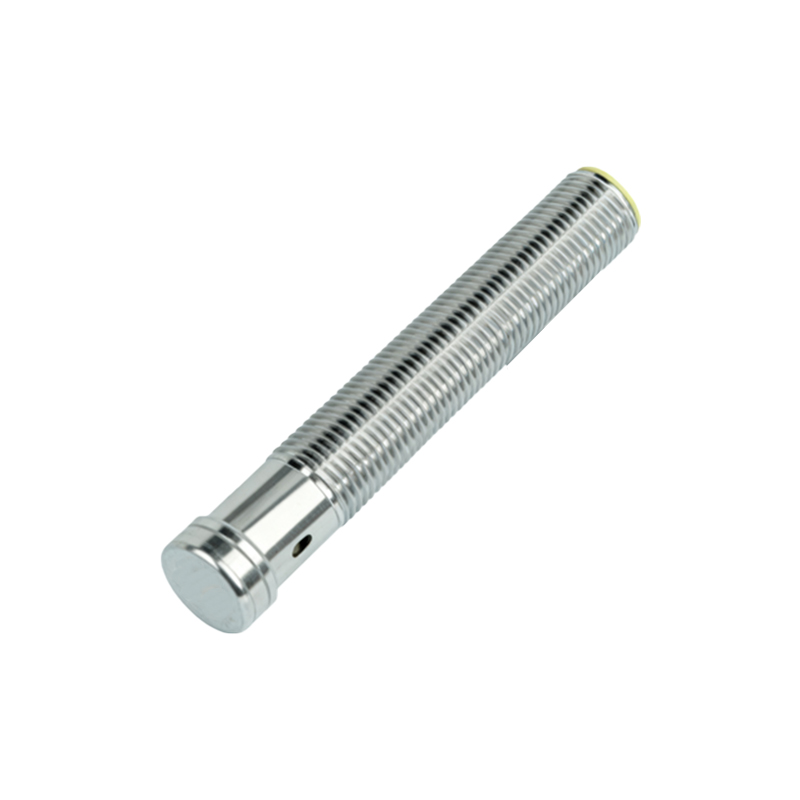
In the realm of industrial automation, proximity sensors stand as critical components, enabling non-contact detection of objects with precision and reliability. The production line for these sophisticated devices embodies a fusion of advanced engineering, stringent quality control, and automated efficiency. This article delves into the intricate processes and technological innovations that define a modern proximity sensor manufacturing facility, highlighting key stages from design to final testing.
The journey begins with the design and prototyping phase, where engineers utilize CAD software and simulation tools to model sensor performance under various conditions. Materials selection is paramount, with housings typically crafted from durable plastics or metals like stainless steel for harsh environments, while internal components such as coils, oscillators, and integrated circuits are sourced from certified suppliers. The production line itself is segmented into specialized zones: assembly, calibration, and testing, each orchestrated by programmable logic controllers (PLCs) and robotic arms to minimize human error and enhance throughput.
In the assembly zone, surface-mount technology (SMT) machines place micro-components onto printed circuit boards (PCBs) with micron-level accuracy. Automated soldering, often via reflow ovens, ensures robust electrical connections. For inductive and capacitive proximity sensors, the coil winding process is automated using precision winders that maintain consistent turns and tension, directly impacting sensitivity and range. Housings are then injected-molded or machined, with seals added for IP-rated protection against dust and moisture.
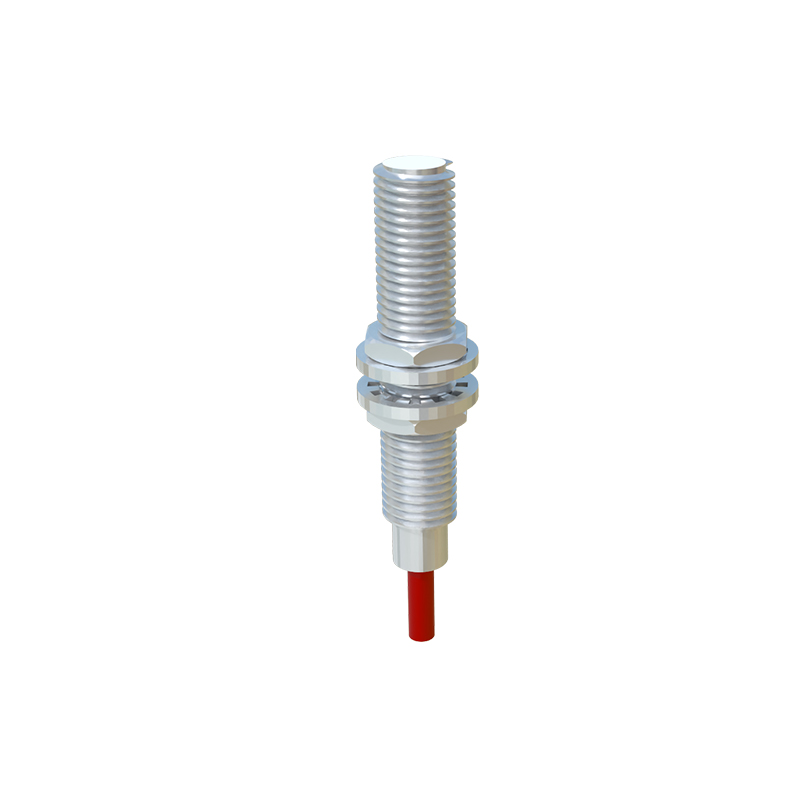
Calibration is a critical stage where each sensor is tuned to its specified sensing distance and output signal. Automated calibration stations apply controlled stimuli, adjusting trimmer resistors or digital parameters via software interfaces. This step ensures compliance with industry standards such as IEC 60947-5-2, guaranteeing consistent performance across batches. Following calibration, sensors undergo rigorous testing in environmental chambers that simulate extreme temperatures, humidity, and vibration, mimicking real-world operational stresses. Electrical tests verify response time, hysteresis, and output current, with data logged for traceability.
The integration of Industry 4.0 technologies elevates production efficiency. IoT-enabled devices on the line collect real-time data on machine performance and product quality, feeding into centralized monitoring systems. Predictive maintenance algorithms analyze this data to preempt equipment failures, reducing downtime. Lean manufacturing principles, such as just-in-time inventory and Kanban systems, streamline material flow, while statistical process control (SPC) charts track variations, enabling continuous improvement.
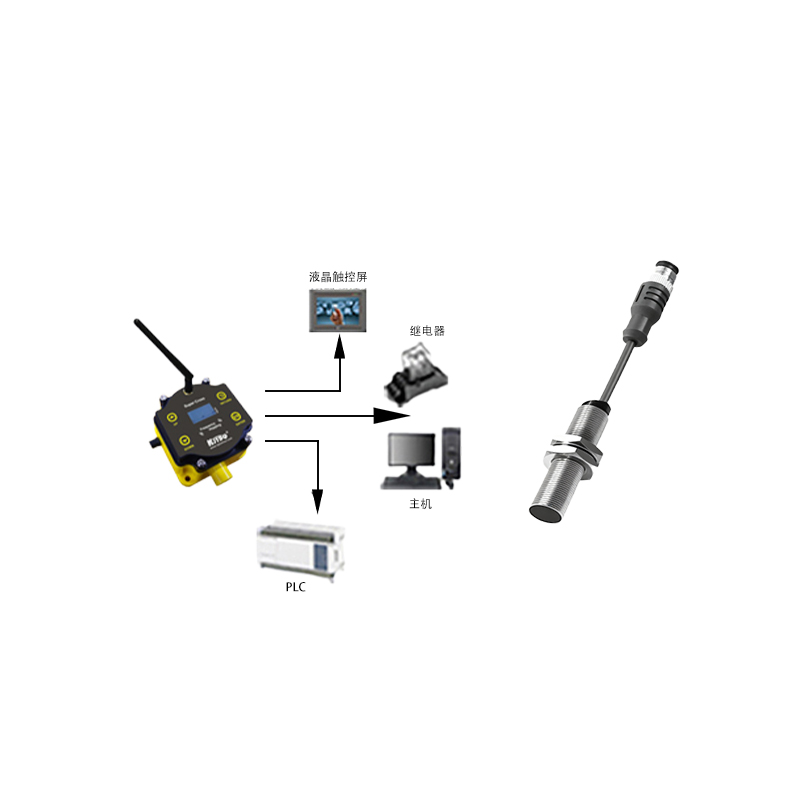
Quality assurance is embedded throughout, with automated optical inspection (AOI) scanning PCBs for defects and final units subjected to 100% functional testing. Certifications like ISO 9001 and UL listings underscore commitment to reliability, crucial for applications in automotive, packaging, and robotics sectors. As demand grows for smart sensors with IO-Link or Ethernet connectivity, production lines are adapting with flexible modules to accommodate firmware programming and communication protocol validation.
In conclusion, a proximity sensor production line represents a pinnacle of automated manufacturing, where precision engineering meets digital innovation. By leveraging robotics, data analytics, and stringent testing, manufacturers deliver sensors that form the backbone of modern industrial systems, driving efficiency and safety in diverse applications. Future trends may include AI-driven quality checks and further miniaturization, ensuring these lines remain at the forefront of technological advancement.