In the realm of industrial automation and machine control, the reliable detection of object presence or position is paramount. Among the myriad of sensing solutions, proximity sensor limit switches stand out as a cornerstone technology, offering non-contact, wear-free operation critical for modern manufacturing environments. Unlike traditional mechanical limit switches that require physical contact, proximity sensors detect the presence of metallic or, in some cases, non-metallic objects through electromagnetic fields, ultrasonic waves, or capacitive effects. This fundamental distinction translates into significant advantages in terms of longevity, response speed, and application versatility.
The core operating principle of a proximity sensor limit switch involves generating an oscillating electromagnetic field from its active face. When a metallic target enters this field, eddy currents are induced on the target's surface. These currents absorb energy from the oscillator, causing its amplitude to decrease. This change is detected by the sensor's threshold circuit, which subsequently triggers a solid-state output switch. For inductive sensors, ferrous metals like steel typically offer the longest sensing range, while non-ferrous metals like aluminum or copper have a reduced range, a factor specified by the sensor's correction factor. Capacitive sensors operate on a similar principle but detect changes in capacitance, allowing them to sense non-metallic materials such as wood, plastic, or liquids, making them ideal for level detection or material handling applications.
Selecting the appropriate proximity sensor for a limit-switching function requires careful consideration of several technical parameters. The sensing distance, or nominal range (Sn), is a primary specification. It is crucial to note that this is defined for a standard target under ideal conditions. In practice, factors like target material, size, shape, and installation conditions (flush or non-flush) can affect the effective operating distance. The housing material is another critical choice; cylindrical metal-bodied sensors (e.g., M12, M18, M30) offer robust physical protection in harsh environments, while plastic-bodied or rectangular designs might be preferred for specific mounting constraints or cost-sensitive applications. Output configuration is equally important: PNP (sourcing) and NPN (sinking) transistor outputs are standard, with the choice dictated by the control system's PLC input module requirements. Additionally, the selection between Normally Open (NO) and Normally Closed (NC) output logic must align with the safety and control logic of the machine.
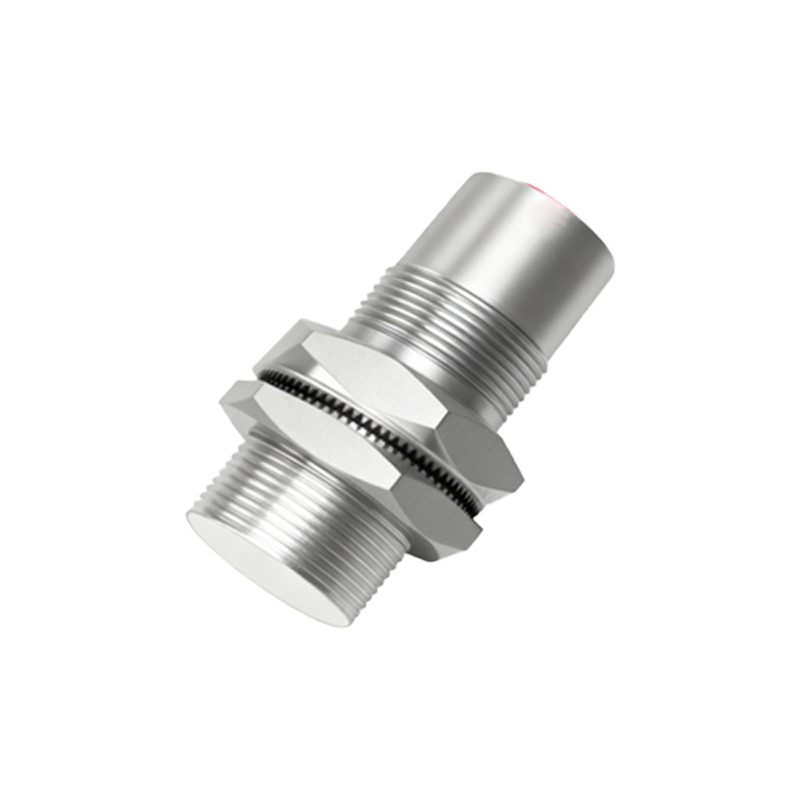
The application of proximity sensors as limit switches is vast and varied. A classic example is in linear actuator or cylinder end-position detection. A sensor mounted at the fully extended or retracted position confirms the actuator has reached its intended travel limit, providing a feedback signal to the programmable logic controller (PLC) to proceed to the next sequence. In rotary applications, such as indexing tables or motor shafts, sensors detect the presence of a cam or gear tooth to monitor speed, position, or count revolutions. On conveyor systems, they are indispensable for detecting the passage of products, triggering sorting gates, or ensuring proper positioning for robotic pick-and-place operations. Their non-contact nature makes them perfect for high-speed counting and sequencing tasks where mechanical switches would fail due to wear or bounce.
Installation and environmental considerations are vital for ensuring long-term reliability and avoiding false triggers. Proximity sensors must be mounted securely to prevent vibration-induced misalignment. Maintaining the proper gap between the sensor face and the target is essential; a common rule is to use 50-75% of the nominal sensing distance to account for mechanical tolerances and temperature drift. In environments with significant metal-to-metal sliding contact, wear-resistant face materials or protective covers may be necessary. Electrical noise from variable frequency drives (VFDs), welding equipment, or large motors can interfere with sensor operation. Employing shielded cables, proper grounding techniques, and maintaining adequate separation from power lines are standard mitigation practices. For washdown or outdoor applications, sensors with high IP (Ingress Protection) ratings, such as IP67 or IP69K, are mandatory to resist water, dust, and chemical ingress.
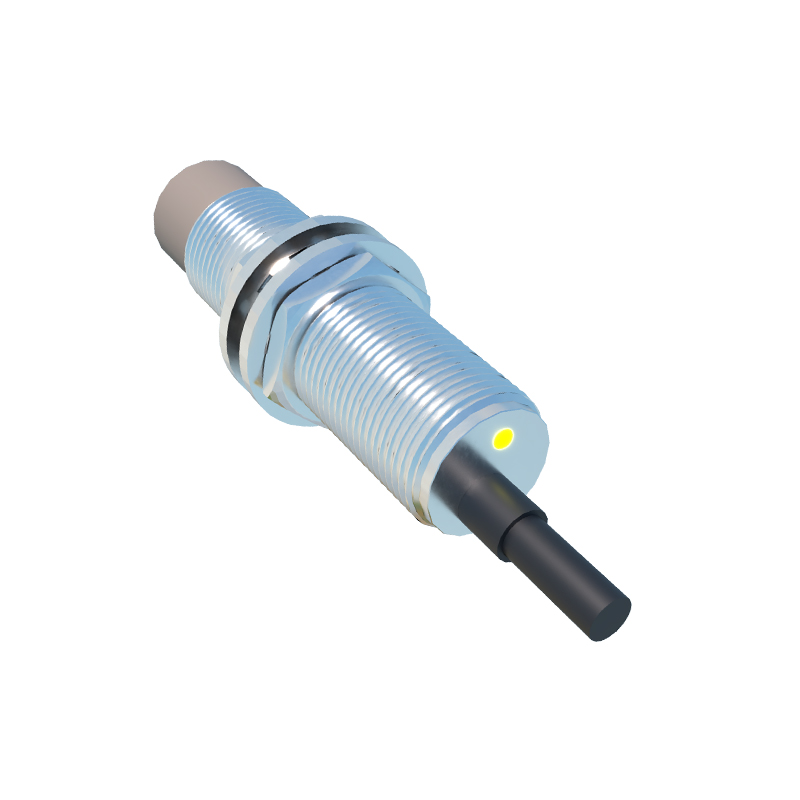
The evolution of proximity sensor technology continues to address emerging industrial challenges. Modern sensors feature advanced diagnostics via IO-Link communication, providing real-time data on operating status, temperature, and even signal strength, enabling predictive maintenance. Miniaturization has led to ultra-compact sensors that fit into tight spaces without sacrificing performance. Furthermore, the integration of advanced materials and circuit design has enhanced immunity to electromagnetic interference (EMI) and extended operating temperature ranges. As Industry 4.0 and smart factory concepts mature, the humble proximity sensor limit switch is evolving from a simple binary device into an intelligent node within a networked ecosystem, contributing valuable data for optimizing overall equipment effectiveness (OEE).
In conclusion, proximity sensor limit switches are a fundamental and sophisticated component in industrial automation. Their ability to provide precise, non-contact detection in demanding environments makes them superior to mechanical alternatives for countless applications. A thorough understanding of their operating principles, key selection criteria,