Proximity sensors are critical components in industrial automation, widely used for object detection, positioning, and control in machinery and production lines. As a key export product in the electrical and automation industry, these sensors often face various challenges during international shipping, installation, and operation. Understanding common issues and their solutions can help engineers and technicians ensure optimal performance and longevity.
One frequent problem encountered with export proximity sensors is environmental interference. During transit or storage, sensors may be exposed to extreme temperatures, humidity, or contaminants like dust and oil. This can lead to false triggering or reduced sensing range. For instance, metallic dust accumulation on inductive proximity sensors may cause erratic signals. To mitigate this, it is recommended to use sensors with appropriate IP (Ingress Protection) ratings, such as IP67 or higher, for harsh environments. Regular cleaning and inspection before installation are also essential.
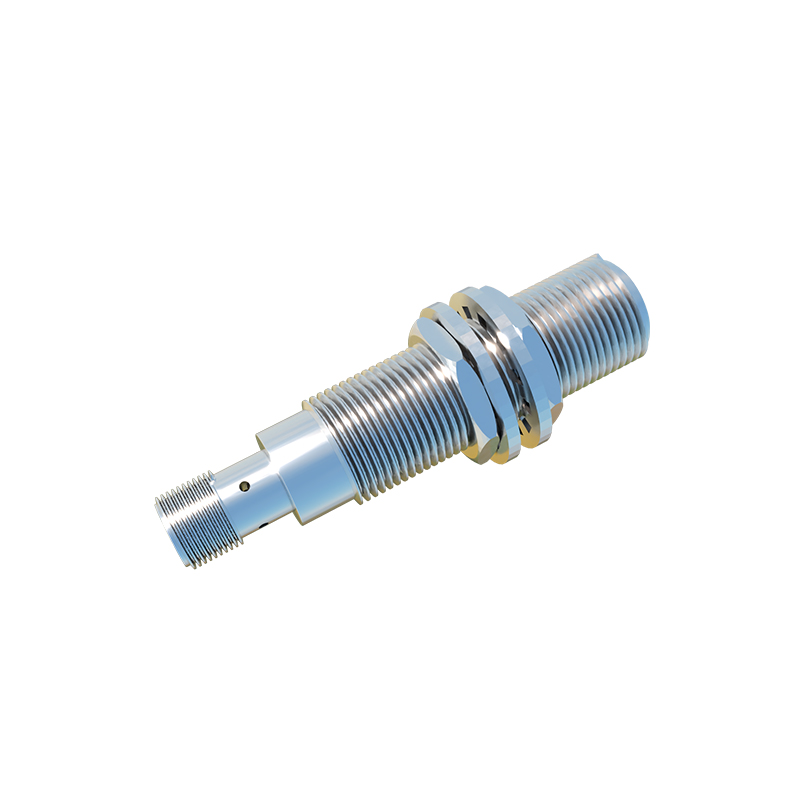
Another common issue involves electrical compatibility and wiring errors. Export sensors often need to adapt to different voltage standards and frequencies across regions, such as 110V/60Hz in North America versus 220V/50Hz in Europe. Incorrect wiring or power supply mismatches can result in sensor failure or damage. Engineers should always verify the sensor’s specifications, including operating voltage and current, before connecting to local systems. Using shielded cables and proper grounding can prevent electromagnetic interference (EMI), which is crucial in high-noise industrial settings.
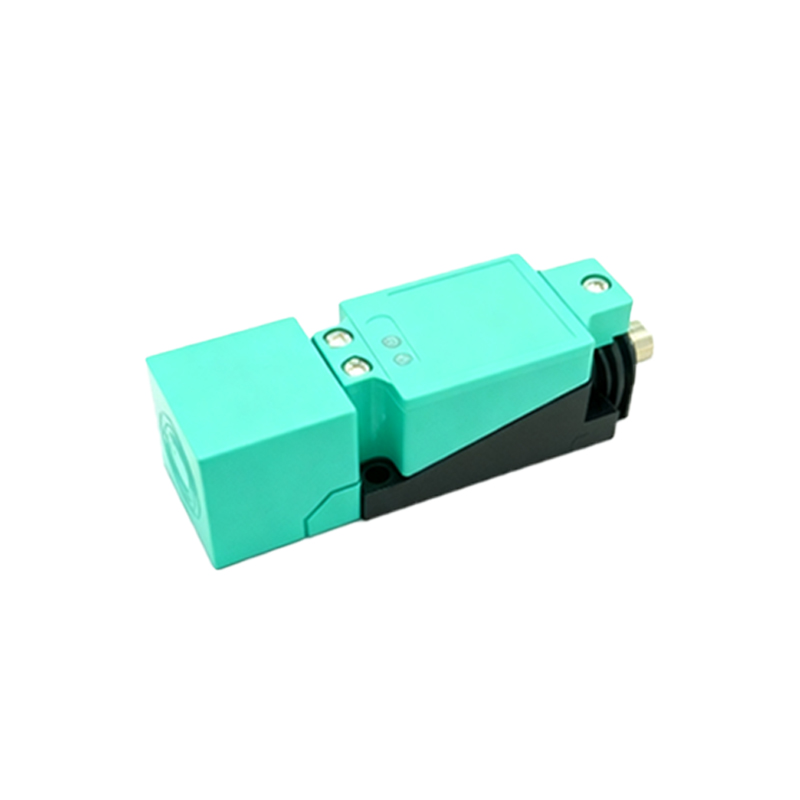
Mechanical mounting and alignment problems are also prevalent. Proximity sensors require precise positioning relative to target objects; even minor misalignments can affect detection accuracy. For example, if a capacitive sensor is mounted too close to a metal surface, it might trigger unintentionally. Solutions include following manufacturer guidelines for mounting distances, using adjustable brackets, and conducting calibration tests during installation. Additionally, vibration from machinery can loosen mounts over time, so periodic checks are advised.
Sensor wear and degradation over time pose another challenge. Continuous operation in demanding conditions can lead to component fatigue, especially in high-cycle applications. Inductive sensors may experience coil damage, while optical sensors might have lens fogging or LED dimming. To address this, selecting sensors with robust construction, such as those made from stainless steel or with reinforced housing, can enhance durability. Implementing preventive maintenance schedules, including routine performance testing, helps identify early signs of wear.
Communication and integration issues with control systems, such as PLCs (Programmable Logic Controllers), are also common in export scenarios. Sensors with output types like NPN/PNP or analog signals may not be compatible with existing equipment. Engineers should confirm interface requirements and consider using universal models or signal converters if needed. Updating firmware or software settings, when applicable, can resolve compatibility glitches.

In summary, export proximity sensors face diverse challenges from environmental factors to technical integration. By prioritizing proper selection, installation, and maintenance, professionals can minimize downtime and ensure reliable operation. Always refer to manufacturer documentation and industry standards, such as IEC 60947-5-2, for best practices. With attention to these details, proximity sensors can deliver consistent performance in global applications, supporting efficient and safe automation processes.