Wired laser sensors are critical components in modern industrial automation, offering precise measurement and detection capabilities across various applications. Proper maintenance ensures optimal performance, extends operational lifespan, and prevents costly downtime. This guide outlines essential maintenance practices tailored for industrial engineers and technicians.
Regular inspection forms the foundation of effective sensor maintenance. Begin with visual checks for physical damage, such as cracks in the housing or lens, which can compromise accuracy. Dust, oil, and debris accumulation on the lens are common issues in industrial environments. Use a soft, lint-free cloth with isopropyl alcohol to gently clean the optical surfaces, avoiding abrasive materials that could cause scratches. Ensure the sensor is powered off during cleaning to prevent electrical hazards.
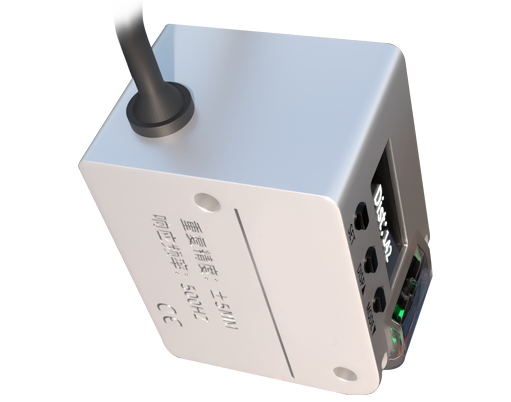
Electrical connections require meticulous attention. Inspect cables for signs of wear, fraying, or exposure to harsh chemicals. Loose connectors can lead to intermittent signal loss, affecting system reliability. Tighten connections according to manufacturer specifications and consider using cable management systems to reduce strain. Verify that the power supply voltage aligns with sensor requirements, as fluctuations can cause erratic behavior or permanent damage.
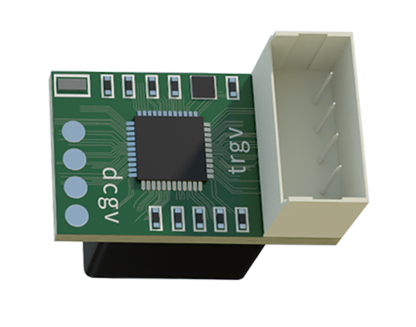
Environmental factors significantly impact sensor performance. Operating temperature ranges must be adhered to; excessive heat can degrade internal components, while condensation may form in humid conditions. Install protective enclosures or cooling systems if sensors are exposed to extreme temperatures. Additionally, ensure the sensor is shielded from strong ambient light or other laser sources that could interfere with measurements.
Calibration is vital for maintaining precision. Follow the manufacturer’s calibration schedule using certified reference tools. Document each calibration event, noting any deviations from expected values. If recalibration fails to restore accuracy, internal components like laser diodes or receivers may require replacement. Always use OEM parts to guarantee compatibility and performance.
Software and firmware updates should not be overlooked. Manufacturers often release patches to improve functionality or address known issues. Before updating, backup existing configurations to avoid data loss. Test the sensor in a controlled environment post-update to confirm proper operation.
Implementing a preventive maintenance schedule reduces unexpected failures. Create a checklist based on sensor usage intensity—high-cycle applications may need monthly inspections, while low-duty systems can be checked quarterly. Train personnel on proper handling procedures, emphasizing static discharge prevention when dealing with sensitive electronics.
Troubleshooting common problems involves systematic analysis. If a sensor provides inconsistent readings, check for alignment shifts or vibration-induced mispositioning. Error codes displayed on indicators should be cross-referenced with the manual for targeted solutions. In cases of complete failure, perform diagnostic tests on power lines and output signals before concluding sensor replacement is necessary.
Long-term storage considerations include keeping sensors in dry, temperature-controlled areas with protective caps on lenses. Periodic power-ups during extended storage help maintain capacitor health.
By integrating these practices into routine operations, industries can maximize the reliability and efficiency of wired laser sensors, supporting continuous production and quality control. Remember that manufacturer guidelines take precedence, as designs vary across models and brands.