In the realm of modern agricultural machinery, Lovol harvesters stand out for their robust performance and advanced technological integrations. Among the critical safety features embedded in these machines, the reversing proximity sensor plays a pivotal role in preventing accidents and optimizing operational efficiency. This article delves into the functionality, benefits, and maintenance aspects of these sensors, tailored for industry professionals and operators.
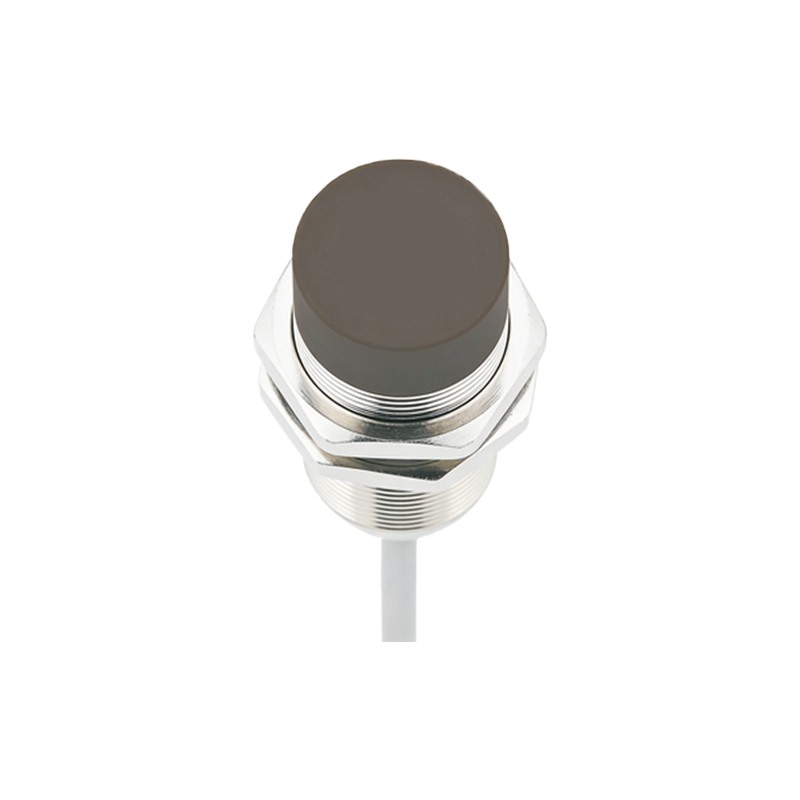
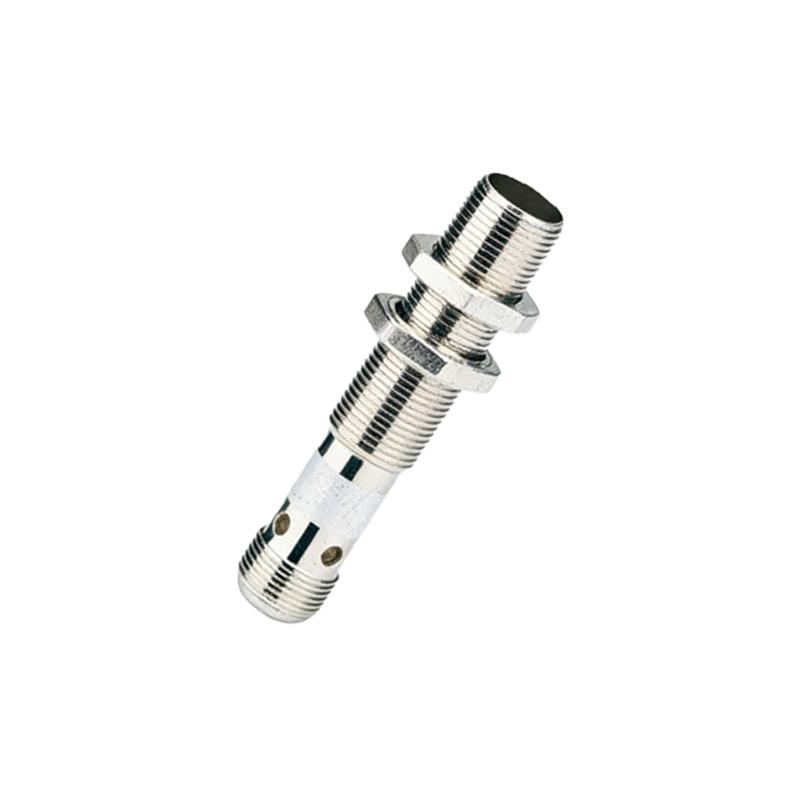
Reversing proximity sensors in Lovol harvesters are typically ultrasonic or radar-based devices mounted on the rear of the vehicle. They activate automatically when the harvester is put into reverse gear, emitting signals to detect obstacles within a predefined range—usually between 0.5 to 3 meters. Upon identifying an object, the sensor triggers an audible alarm and, in more advanced models, a visual display on the cabin console. This real-time feedback allows operators to maneuver safely in crowded fields or storage areas, reducing the risk of collisions with personnel, equipment, or infrastructure.
The integration of these sensors aligns with global agricultural safety standards, such as those outlined by organizations like the International Organization for Standardization (ISO). For instance, ISO 5001 emphasizes the importance of ergonomic and safety systems in mobile machinery. By incorporating proximity sensors, Lovol enhances compliance while minimizing downtime caused by accidents. Moreover, the sensors contribute to operational efficiency by enabling smoother reversing maneuvers, which is crucial during harvesting cycles where time is of the essence. Operators can focus on crop handling without constant visual checks, thereby boosting productivity.
From a technical perspective, Lovol's proximity sensors are designed to withstand harsh environmental conditions common in agriculture, including dust, moisture, and temperature fluctuations. They feature durable housings with IP67 or higher ratings, ensuring resistance to water and particulate ingress. Regular maintenance is straightforward: operators should periodically clean the sensor surfaces to prevent dirt buildup that could impair accuracy. Additionally, diagnostic tools can be used to calibrate the sensors, ensuring they maintain optimal performance over time. In case of malfunctions, common issues include signal interference from metallic objects or electrical faults, which can often be resolved by checking wiring connections or replacing damaged components.
Looking ahead, advancements in sensor technology may further revolutionize Lovol harvesters. Innovations like AI-driven object recognition or integration with telematics systems could provide predictive analytics, alerting operators to potential hazards beyond immediate proximity. As the industry moves towards autonomous farming, these sensors will form a foundational layer for machine-to-machine communication and automated safety protocols.
In summary, reversing proximity sensors in Lovol harvesters are not mere add-ons but essential components that blend safety with efficiency. By understanding their operation and upkeep, operators can harness their full potential, ensuring safer fieldwork and enhanced machine longevity. As agriculture continues to evolve, such technologies will remain at the forefront, driving progress in sustainable and smart farming practices.