As a seasoned electrical engineer specializing in consumer electronics, I have observed the widespread integration of proximity sensors in modern smartphones. While these components are essential for enabling features like automatic screen dimming during calls, they come with notable drawbacks that often go unaddressed in mainstream discussions. This article delves into the technical and practical limitations of smartphone proximity sensors, providing an industry-informed analysis.
Firstly, the accuracy of proximity sensors is highly dependent on environmental conditions. Most smartphones employ infrared (IR) or capacitive-based sensors, which can be easily disrupted by external factors. For instance, IR sensors may misinterpret bright sunlight or reflective surfaces, leading to false triggers. Similarly, capacitive sensors can malfunction when the device is used with certain screen protectors or gloves, causing the screen to remain active or turn off unexpectedly during calls. This inconsistency not only frustrates users but also increases power consumption as the sensor continuously recalibrates.
Another significant issue is the limited range and precision of these sensors. Typically, proximity sensors are designed to detect objects within a short distance, usually up to 5 centimeters. This narrow range can result in poor performance during hands-free calls or when the phone is placed in pockets or bags. Engineers often face trade-offs between sensitivity and false detection rates, making it challenging to optimize for all use cases. In some budget smartphones, cost-cutting measures lead to the use of lower-quality sensors, exacerbating these problems and causing frequent user complaints.
Power consumption is a critical concern in mobile device design, and proximity sensors contribute to this burden. Although they are marketed as low-power components, continuous operation—especially in apps that rely on proximity detection for features like gesture control—can drain battery life over time. The sensor’s IR emitter, in particular, requires periodic activation, adding to the overall energy draw. In an era where battery longevity is a key selling point, this hidden drain can undermine user satisfaction.
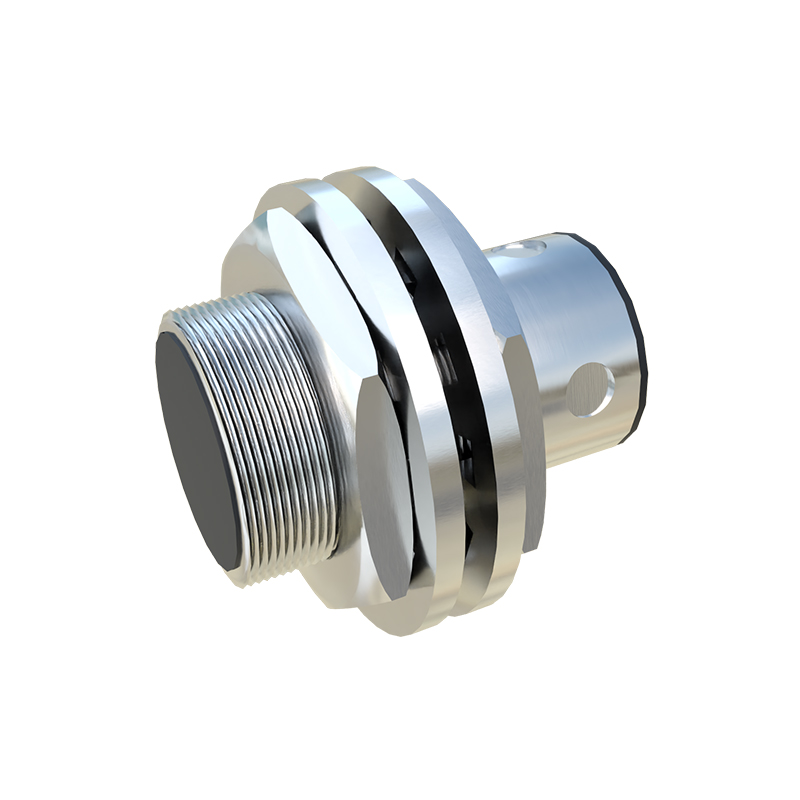
Durability and maintenance issues also plague proximity sensors. Dust accumulation or minor physical damage to the sensor area—often located near the earpiece—can impair functionality. Unlike other components, these sensors are difficult to clean or repair without professional intervention, leading to increased repair costs. Moreover, as smartphones trend toward bezel-less designs, sensor placement becomes more constrained, potentially reducing their effectiveness and making them prone to obstruction by cases or accessories.
From a software perspective, integration challenges can limit sensor performance. Inconsistent calibration across different operating systems or apps may cause erratic behavior, such as the screen failing to wake up after a call. Manufacturers often rely on proprietary algorithms to filter noise, but these can introduce latency or compatibility issues, especially in third-party applications. This lack of standardization means that even high-end sensors may underperform if not properly optimized in software.
In conclusion, while proximity sensors are indispensable for modern smartphone functionality, their drawbacks—including environmental sensitivity, limited range, power consumption, durability concerns, and software integration issues—highlight areas for improvement. As engineers, we must advocate for advancements in sensor technology, such as the adoption of time-of-flight (ToF) sensors or AI-driven calibration, to mitigate these limitations. Until then, users and developers alike should be aware of these inherent flaws to better manage expectations and usage scenarios.