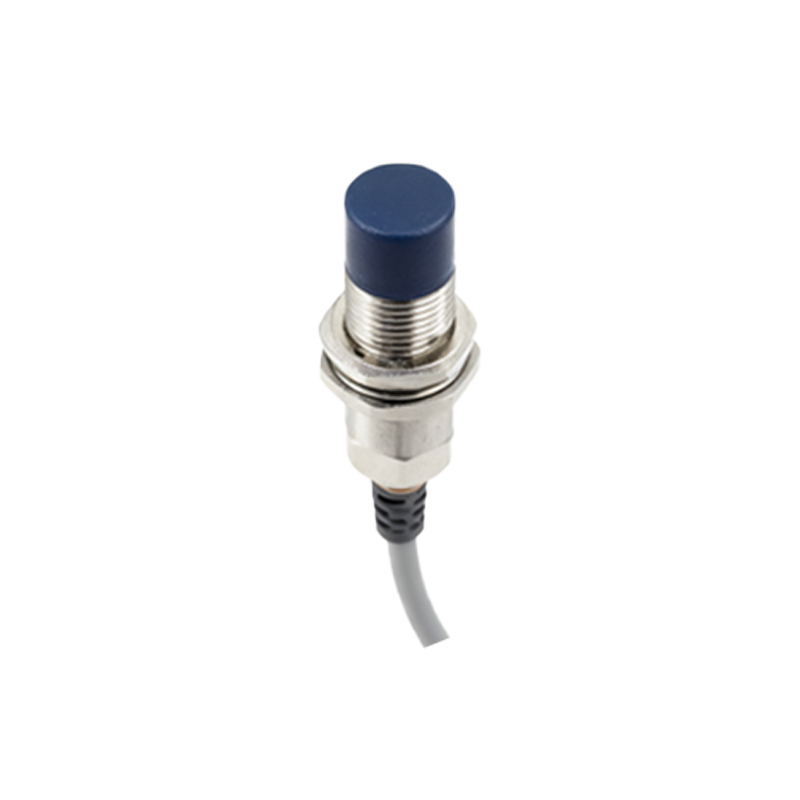
In the realm of industrial automation, robotics, and smart systems, the ability to detect the presence or absence of an object without physical contact is fundamental. Among the various technologies enabling this capability, electromagnetic proximity sensors stand out for their reliability, durability, and versatility. Unlike optical or capacitive sensors, these devices operate based on the principles of electromagnetic induction, making them uniquely suited for challenging environments involving dirt, dust, moisture, or non-metallic interference.
At its core, an electromagnetic proximity sensor generates an oscillating electromagnetic field from its sensing face. When a conductive metal target, typically ferrous like iron or steel, enters this field, eddy currents are induced on the target's surface. These eddy currents draw energy from the sensor's oscillator, causing a change in its amplitude. The sensor's internal circuitry detects this amplitude drop and triggers a switching action—turning an output signal on or off. This entire process occurs without any physical contact, ensuring no wear and tear on the sensor or the target. The sensing range, or standoff distance, varies by model and target material but is a critical specification for design engineers.
The advantages of this technology are numerous. They are exceptionally robust, capable of withstanding severe mechanical shock, vibration, and harsh industrial atmospheres. Their solid-state construction, often housed in stainless steel or nickel-plated brass, offers long service life. Performance is generally unaffected by ambient light, dust, oils, or coolants, making them ideal for machine tools, hydraulic systems, and automated assembly lines. Furthermore, they provide high switching speeds and repeatability, essential for precision counting, positioning, and speed monitoring applications.
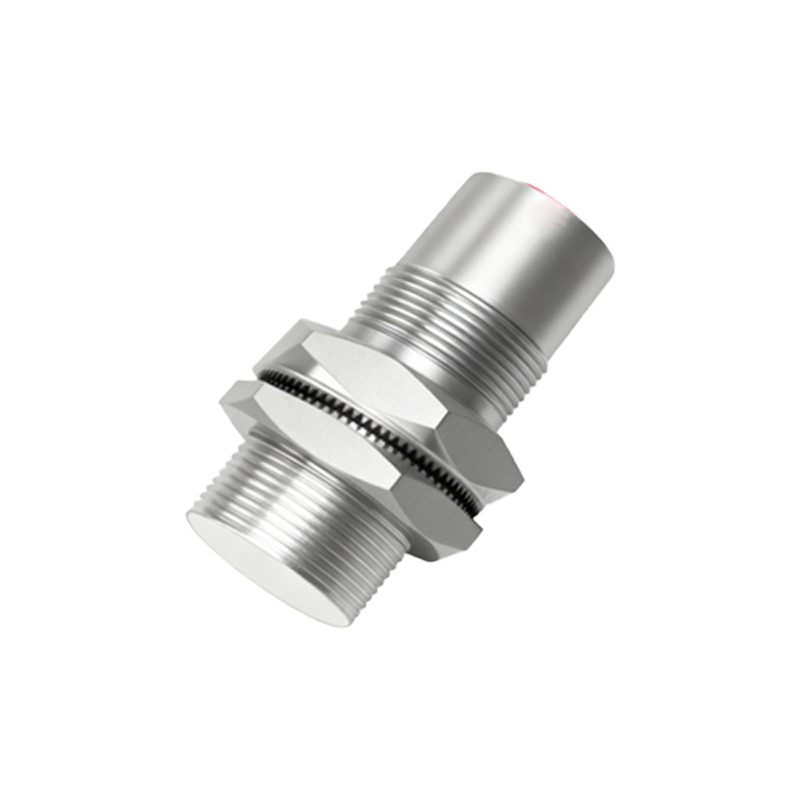
A primary application area is in manufacturing and material handling. Electromagnetic proximity sensors are ubiquitous on conveyor systems, used to detect the position of metal parts, control sorting gates, and count products. In metalworking machinery such as CNC lathes or stamping presses, they serve as end-of-travel limit switches to prevent over-travel and damage. The automotive industry relies on them extensively within robotic welding cells to verify part presence and precise robot arm positioning.
Another significant domain is safety and access control. They form the backbone of many safety interlock systems on machinery guards; if a guard door with a metal latch is opened, the sensor detects the removal of the latch and sends a signal to cut power, protecting personnel. In building automation, they are used in elevator door control to detect obstruction and in access control systems to sense door closure.
Selecting the right electromagnetic proximity sensor requires careful consideration of several parameters. First is the sensing distance, which must account for installation tolerances. Second is the target material; sensors are calibrated for standard steel, and the effective sensing range reduces for non-ferrous metals like aluminum or copper. The sensor's housing style is crucial—barrel-shaped (cylindrical) sensors are common, but rectangular or ring-shaped formats exist for specific mounting needs. Environmental factors like temperature rating, ingress protection (IP code) against water and dust, and resistance to chemicals must align with the operating conditions. Finally, the electrical output type (e.g., NPN, PNP, normally open, normally closed) must be compatible with the host controller, such as a PLC.
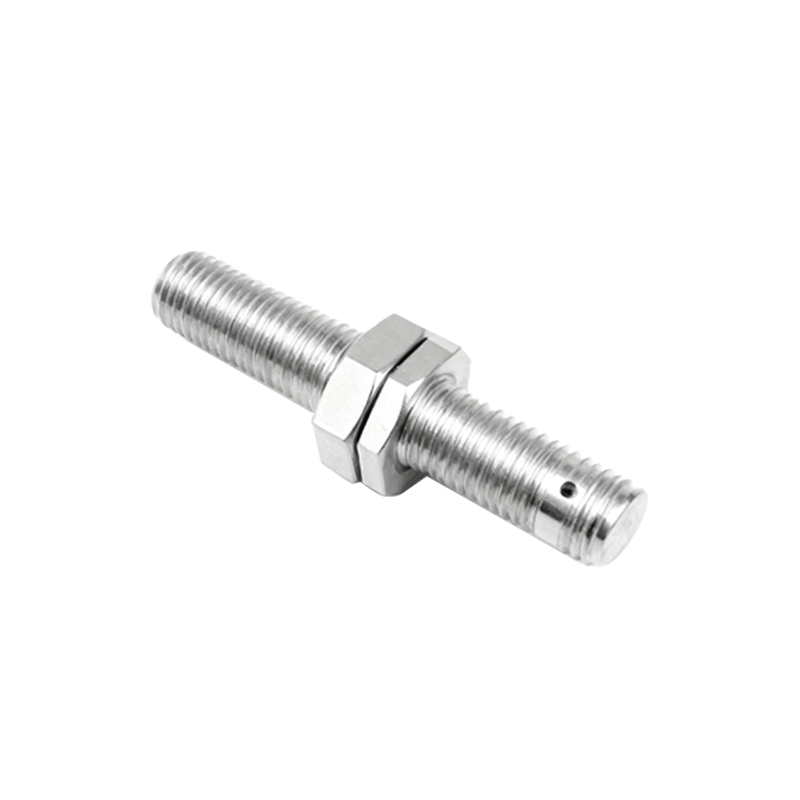
Installation and maintenance are straightforward but vital for optimal performance. Sensors should be mounted securely to minimize vibration. It is essential to maintain a clearance zone around the sensing face, free from other metal objects, to prevent false triggering. While largely maintenance-free, periodic checks for physical damage, buildup of metallic debris on the face, and verification of output signals ensure continued reliability.
In conclusion, electromagnetic proximity sensors are a cornerstone of modern industrial sensing. Their contactless operation, inherent toughness, and consistent performance under duress make them an indispensable component for engineers designing automated systems that demand accuracy, safety, and longevity. As industries evolve towards greater connectivity and the Industrial Internet of Things (IIoT), these sensors continue to adapt, often incorporating advanced diagnostics and IO-Link communication to provide not just a switch signal, but valuable data on process health and performance.