In the world of industrial automation and machine safety, detecting the presence or absence of an object without physical contact is a fundamental requirement. Among the various technologies available, the magnetic proximity sensor stands out for its reliability, durability, and simplicity. This device operates on a straightforward yet powerful principle: it detects the presence of a magnetic field, typically from a permanent magnet, and triggers a switching action. Unlike optical or capacitive sensors, magnetic sensors are virtually immune to environmental factors such as dust, dirt, oil, and moisture, making them ideal for harsh operating conditions.
The core operating principle of most magnetic proximity sensors is based on the Reed Switch or, in more modern versions, solid-state Hall Effect or magnetoresistive elements. A traditional Reed Switch consists of two ferromagnetic, flexible metal reeds sealed within a glass tube filled with an inert gas. When a magnet of sufficient strength approaches, the reeds magnetize, attract each other, and make contact, closing the electrical circuit. When the magnet moves away, the reeds spring back to their original position, breaking the circuit. This simple mechanism allows for a highly reliable, low-power switch with a long operational life, often reaching millions of cycles.
Solid-state magnetic sensors, utilizing the Hall Effect, offer even greater precision and durability. A Hall Effect sensor generates a voltage difference (the Hall voltage) across an electrical conductor when a magnetic field is applied perpendicular to the current flow. This voltage is proportional to the strength of the magnetic field. Integrated circuits then process this signal to provide a clean, digital on/off output or even an analog signal proportional to the field strength. These sensors have no moving parts, leading to exceptional resistance to vibration and shock, and can operate at very high switching frequencies.
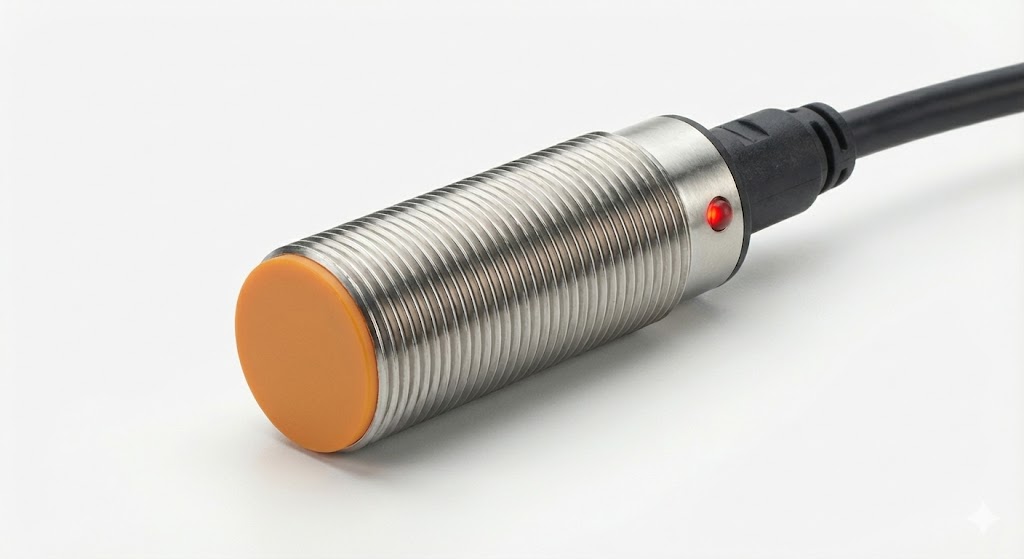
The applications for magnetic proximity sensors are vast and critical across numerous industries. In factory automation, they are ubiquitous for position sensing. They detect the open or closed state of doors, guards, and safety interlocks on machinery, ensuring operator safety. On linear actuators and cylinders, they provide precise end-of-travel positioning feedback. In the automotive sector, they are used for gearbox speed sensing, detecting brake pedal position, and in window lift mechanisms. Their sealed nature makes them perfect for use in hydraulic and pneumatic systems, where fluid exposure is constant.
Another significant domain is fluid level monitoring. A float containing a permanent magnet moves with the liquid level inside a tank. A magnetic sensor mounted externally on the tank wall detects the magnet's position as the float passes by, providing a discrete level indication (high, low, or intermediate points) without any penetrations that could cause leaks. This is a preferred solution for hazardous, corrosive, or sterile fluids.
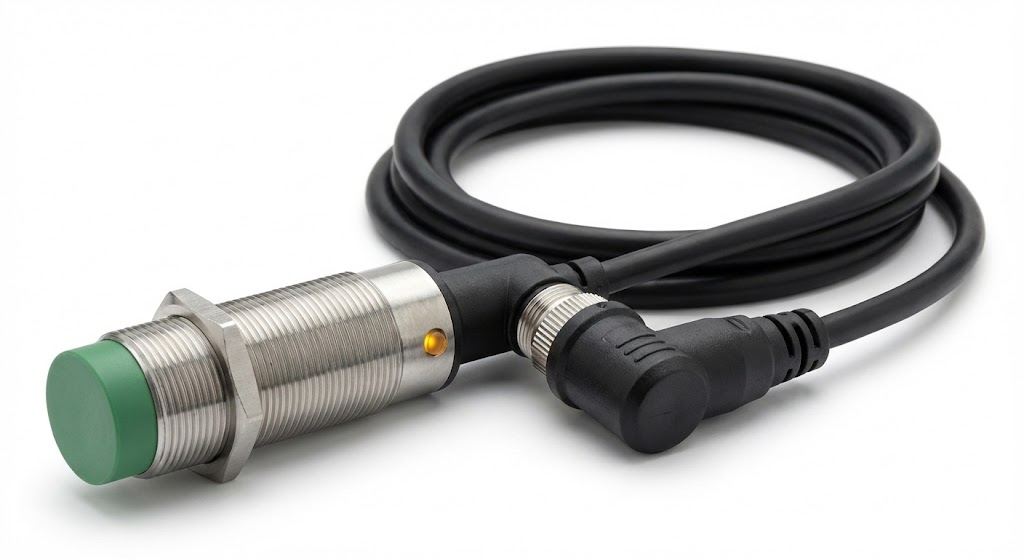
Selecting the right magnetic proximity sensor involves considering several key parameters. The sensing distance, or switch point, is crucial and is typically very short-range, from a few millimeters to about 50 millimeters. The type of magnet used (size, material, and strength) directly impacts this range. The sensor's output configuration—whether it is normally open (NO), normally closed (NC), or a changeover contact—must match the control logic. Voltage and current ratings, housing material (often stainless steel, brass, or PBT plastic), and protection class (IP67, IP69K for washdown environments) are also vital selection criteria.
Installation and maintenance are notably straightforward. Since the sensing is magnetic, only non-ferrous mounting brackets and hardware should be used nearby to avoid interference. The sensor and its target magnet must be aligned correctly, usually axially or laterally, as specified by the manufacturer. One of the greatest advantages is the ability to sense through non-magnetic materials like aluminum, plastic, or stainless steel, allowing sensors to be completely encapsulated and protected from the process environment.
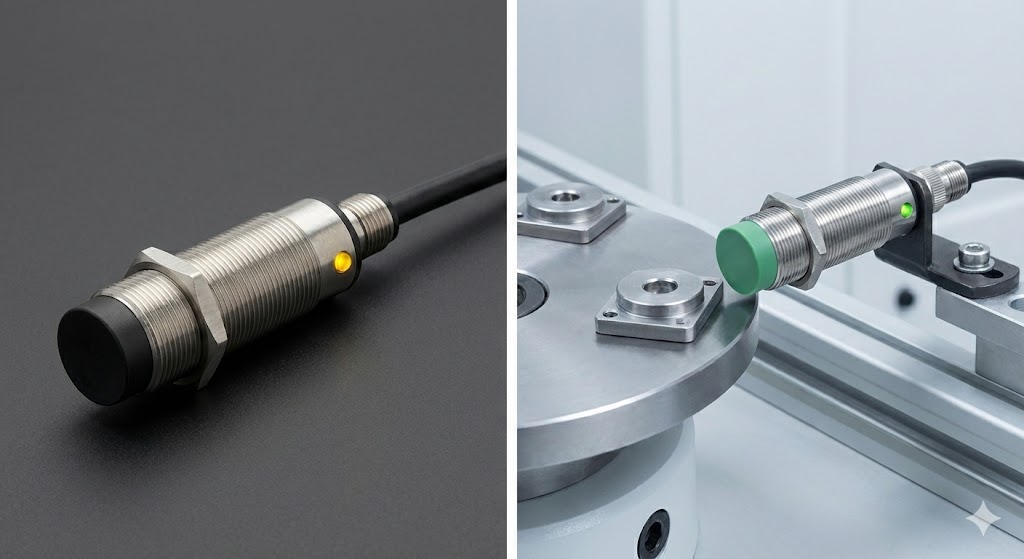
In conclusion, the magnetic proximity sensor remains a cornerstone of non-contact sensing technology. Its robustness, insensitivity to environmental contaminants, and simple interface make it an indispensable component in designing reliable and safe automated systems. From ensuring a machine door is securely closed to providing critical feedback in a motion control sequence, these sensors perform silent, vital duties that keep modern industry running smoothly and safely. As technology advances, the integration of smarter diagnostics and IO-Link communication into magnetic sensors is further enhancing their value, providing not just a switch signal but also health and status data for predictive maintenance strategies.