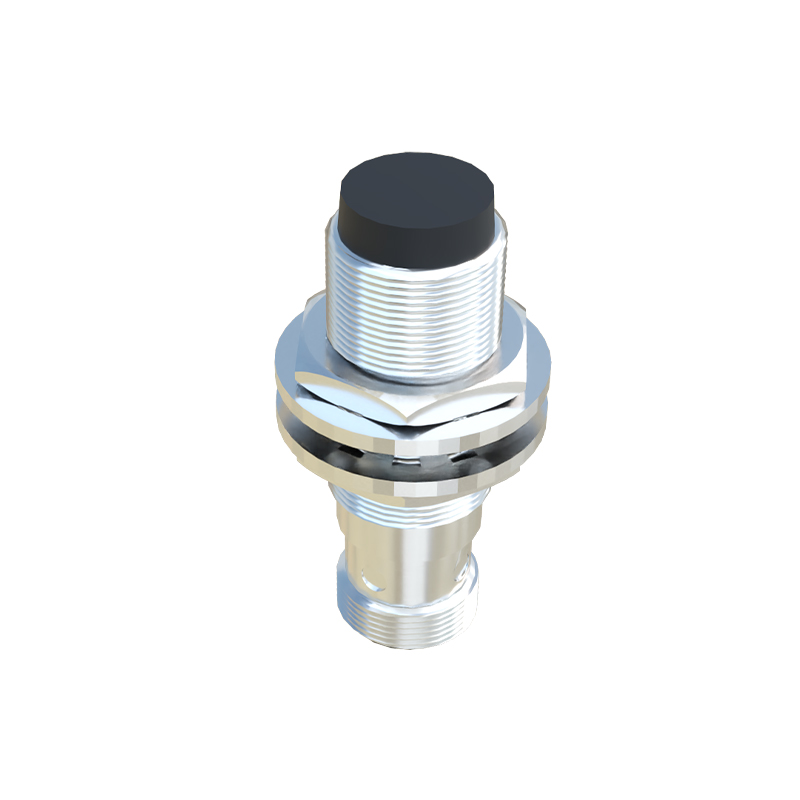
In the realm of industrial automation, proximity photoelectric sensors, often referred to as light curtains or safety light barriers, are indispensable devices for object detection, positioning, and safety applications. These sensors operate on the principle of emitting a beam of light—typically infrared, visible red, or laser—and detecting changes in the received light signal caused by the presence or absence of an object within their sensing field. Unlike mechanical limit switches or inductive proximity sensors, photoelectric variants offer non-contact detection, high precision, and versatility across diverse materials, including transparent, opaque, and reflective surfaces.
The primary categories of proximity photoelectric sensors include through-beam, retro-reflective, diffuse-reflective, and background suppression types. Through-beam sensors consist of separate emitter and receiver units. The emitter projects a continuous light beam to the receiver. An object interrupting this beam triggers the sensor output. This configuration provides the longest sensing range and highest reliability, as it is less affected by object color, surface texture, or ambient light. Common applications include part counting on high-speed conveyor lines, detecting objects in packaging machinery, and safety perimeter guarding where precise beam interruption must signal an immediate machine halt.
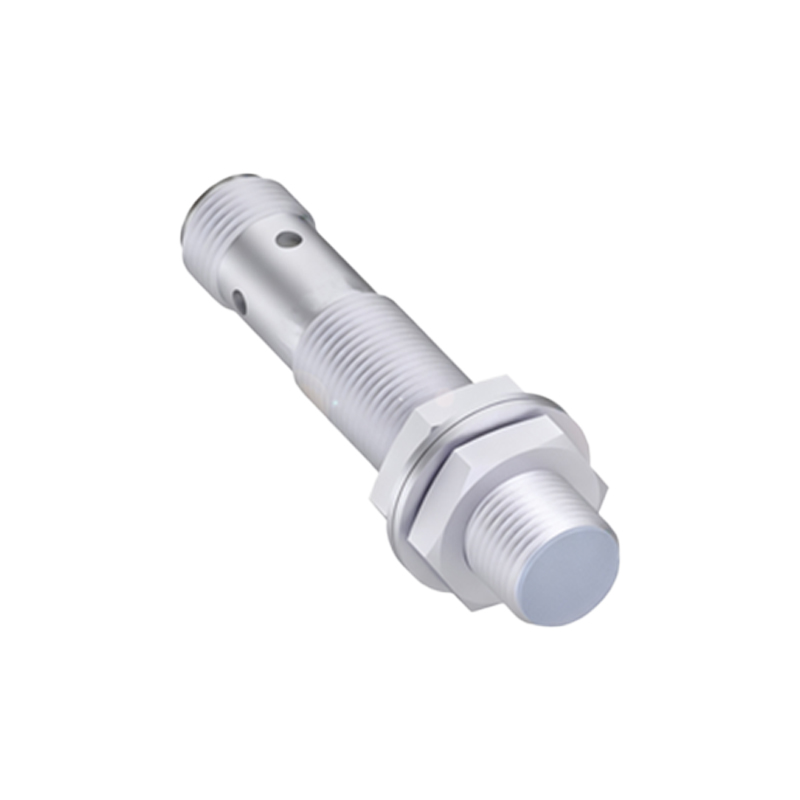
Retro-reflective sensors house both emitter and receiver in a single housing. They rely on a reflector, typically a corner-cube reflector, to bounce the emitted light back to the receiver. An object breaking this reflected beam path activates the sensor. These sensors offer easier alignment than through-beam types and are suitable for medium-range detection. However, they may struggle with highly reflective or shiny objects that could falsely mimic the reflector. They are widely used in automated door systems, palletizing robots, and material handling for detecting the presence of boxes or containers.
Diffuse-reflective sensors, also known as proximity-mode sensors, detect objects by measuring the light reflected directly off the target's surface. The emitter and receiver are in one unit. The sensing distance depends heavily on the object's size, color, and reflectivity—lighter colors generally provide longer ranges. These are ideal for short-range applications where mounting a reflector or separate receiver is impractical, such as detecting labels on bottles, monitoring fill levels in translucent containers, or positioning robotic grippers.
Background suppression sensors are a specialized subset of diffuse sensors. They use triangulation or focused optics to detect objects only within a precise, defined distance while ignoring surfaces beyond that set range (the background). This capability is crucial for detecting objects on conveyor belts regardless of belt color or detecting a specific part in a bin without false triggers from the bin's walls. They excel in logistics sorting, assembly verification, and any scenario requiring discrimination based on object distance.
Beyond these core types, advanced variants incorporate fiber optics for sensing in tight spaces or extreme environments, laser sensors for micron-level precision in alignment tasks, and safety-rated light curtains that create a multi-beam protective screen around hazardous machinery. Modern photoelectric sensors feature robust housings (IP67/IP69K ratings), programmable logic, IO-Link communication for Industry 4.0 integration, and diagnostic LEDs for simplified maintenance.
Selecting the appropriate photoelectric sensor requires analyzing factors like sensing distance, object characteristics, environmental conditions (dust, fog, vibration), required response speed, and output type (PNP/NPN, analog, relay). Proper installation, alignment, and shielding from interfering light sources are critical for optimal performance. As automation evolves toward smarter, more flexible systems, photoelectric sensors continue to advance with enhanced connectivity, smaller form factors, and intelligent diagnostics, solidifying their role as the eyes of modern industrial machinery.