In the vast landscape of industrial automation and electronic systems, the ability to detect the presence, absence, or position of an object without physical contact is paramount. Among the various non-contact sensing technologies, the infrared (IR) proximity sensor stands out for its reliability, versatility, and cost-effectiveness. This article delves into the operational principles, key characteristics, diverse applications, and critical selection criteria for infrared proximity switches, providing a comprehensive overview for engineers and system integrators.
At its core, an infrared proximity sensor operates on the principle of emitting and receiving infrared light. The sensor contains an IR emitter, typically an infrared light-emitting diode (IR LED), and an IR receiver, such as a phototransistor or a photodiode. The emitter projects a beam of infrared light, which is invisible to the human eye. When an object enters the sensor's detection field, it reflects a portion of this emitted light back towards the receiver. The sensor's internal circuitry then processes the intensity of the reflected signal. Based on a pre-set threshold, the sensor's output state changes—often switching from a high to a low logic level or vice versa—indicating the object's presence. Some advanced models utilize modulated IR signals to minimize interference from ambient light, significantly enhancing stability and detection accuracy.
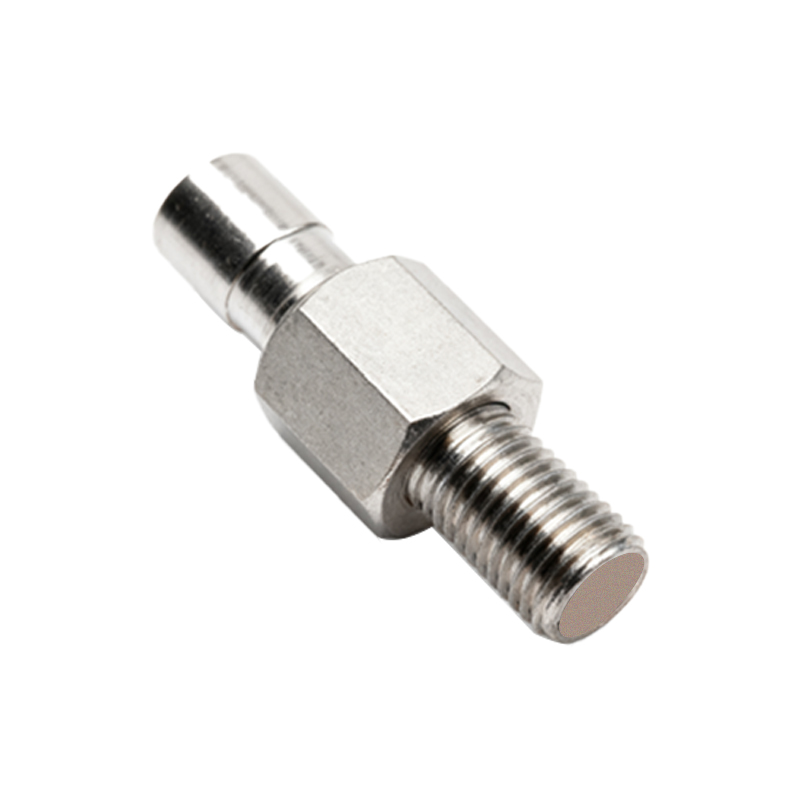
Key performance parameters define the suitability of an IR proximity sensor for a given task. The sensing distance or range is a primary specification, varying from a few millimeters to several meters, depending on the emitter power and receiver sensitivity. The response time is crucial for high-speed applications, indicating how quickly the sensor can detect an object and change its output state. Repeatability ensures consistent detection at the same distance under identical conditions. Furthermore, the detection object characteristics matter; these sensors can detect a wide array of materials, but the surface color, texture, and material composition (e.g., transparent, glossy, matte) affect the reflectivity and thus the effective sensing range. Environmental factors like dust, fog, or strong ambient IR sources (e.g., sunlight, heaters) can also influence performance, making housing design and optical filter selection critical.
The applications of infrared proximity sensors are remarkably broad. In industrial automation, they are ubiquitous on production lines for object counting, jam detection, limit switching, and robotic arm positioning. The consumer electronics sector relies heavily on them; a common example is the automatic screen turn-off in smartphones during a call, where the sensor detects the proximity of the user's face. In security systems, they form the basis of intrusion detection beams. Home appliances, such as automatic soap dispensers, towel dispensers, and touchless faucets, use IR proximity sensing for hygienic operation. They are also found in robotics for obstacle avoidance and in automotive applications for passenger detection or gesture control interfaces.
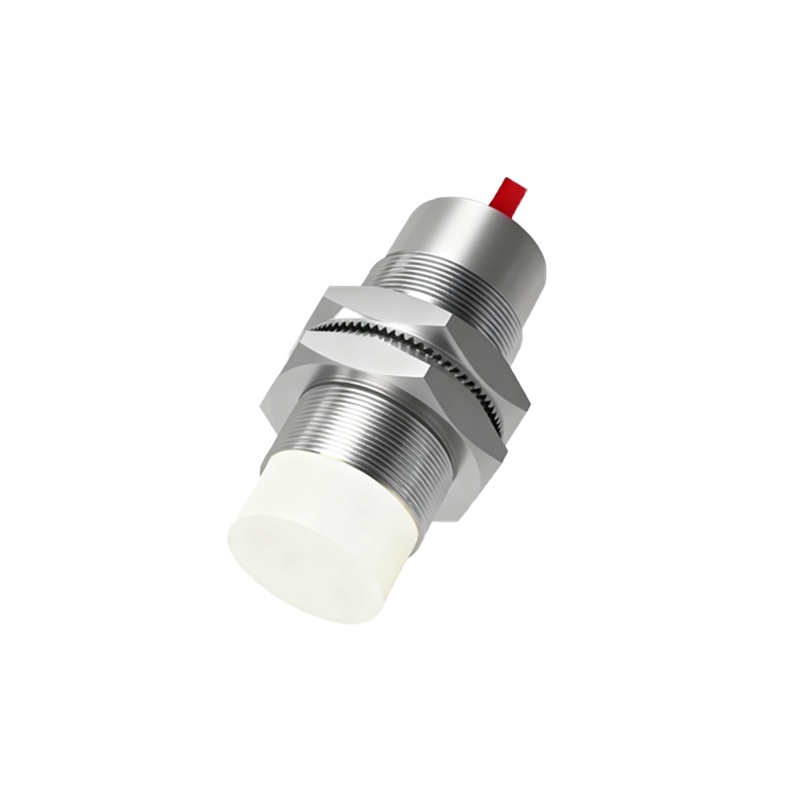
Selecting the right infrared proximity sensor requires careful consideration of several factors beyond just the sensing range. First, define the application environment: Will it be exposed to contaminants, temperature extremes, or vibration? IP-rated housings may be necessary. Second, consider the object properties: Detecting a black, non-reflective object requires a sensor with a higher output or a background suppression feature compared to detecting a white, reflective surface. Third, evaluate the required output type: Common outputs include NPN/PNP transistor (sinking/sourcing), analog voltage/current (for distance proportionality), or digital interfaces like I2C. The power supply voltage (e.g., 5V DC, 12-24V DC) must match the system's available power. Finally, the physical size and mounting style (e.g., barrel-shaped, rectangular, threaded) must be compatible with the mechanical design.
In conclusion, infrared proximity sensors are indispensable components in modern electromechanical design. Their non-contact nature ensures longevity and reliability by eliminating mechanical wear. By understanding the underlying technology, key specifications, and application nuances, engineers can effectively leverage these sensors to create smarter, more efficient, and responsive systems across countless industries. As technology advances, we see trends towards miniaturization, increased intelligence with integrated signal processing, and enhanced resistance to environmental interference, further solidifying their role in the future of automation and interactive devices.