In the rapidly evolving landscape of automotive technology, proximity tire pressure sensors represent a significant leap forward from traditional direct measurement systems. Unlike conventional tire pressure monitoring systems (TPMS) that rely on physical pressure sensors mounted inside the wheel, proximity sensors operate on a non-contact principle. This innovative approach utilizes electromagnetic or capacitive sensing technology to detect the relative position and rotational characteristics of the wheel, indirectly inferring pressure changes through sophisticated algorithmic analysis.
The core mechanism involves a sensor, typically mounted on the vehicle's suspension or axle, positioned in close proximity to the wheel rim. This sensor emits a low-energy field. Changes in the distance between the sensor and the rim—alterations that occur as tire pressure drops and the tire's profile deforms—are detected with high precision. These minute variations in the gap are continuously monitored and processed by an electronic control unit (ECU). The ECU correlates this positional data with other parameters like wheel speed and temperature to calculate an accurate estimation of tire pressure. This method eliminates the need for a battery-powered sensor module inside the tire, which is a common point of failure in direct TPMS due to battery lifespan limitations.
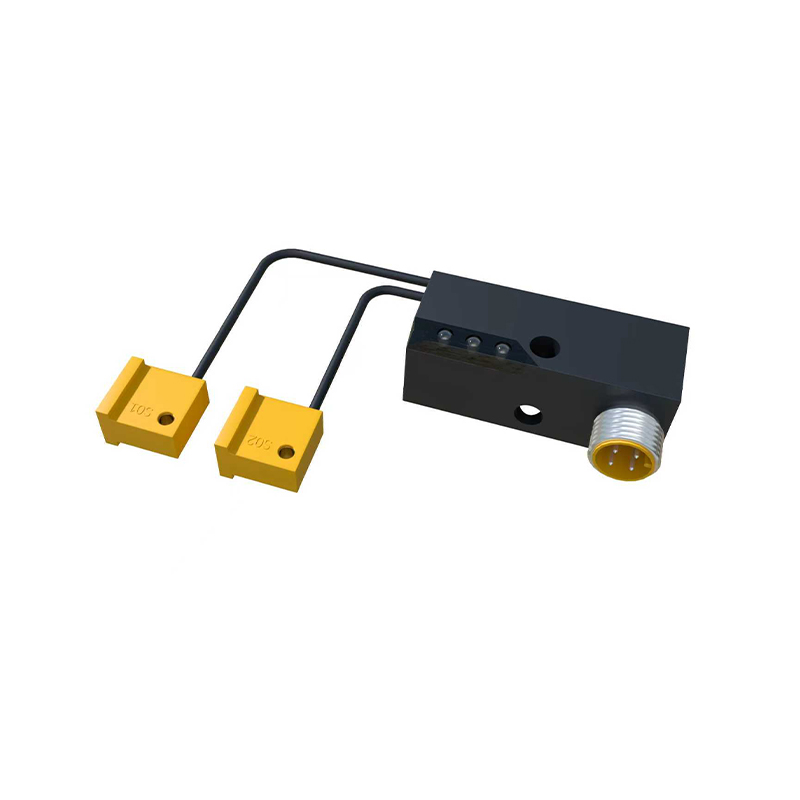
The advantages of proximity-based systems are multifaceted. Firstly, they offer enhanced reliability and longevity. By removing the battery and electronic components from the harsh environment inside the tire—subject to extreme temperatures, centrifugal forces, and physical impacts—the system's overall durability is greatly improved. Maintenance becomes simpler and less frequent, reducing total cost of ownership over the vehicle's lifespan. Secondly, these systems provide greater flexibility for tire servicing. Tire rotation, replacement, and the use of aftermarket wheels do not require sensor reprogramming or replacement, a frequent hassle with conventional systems. Furthermore, the design allows for more precise localization of pressure loss, potentially distinguishing between slow leaks and rapid deflation more effectively.
From a performance standpoint, accurate tire pressure is not merely a safety issue; it is intrinsically linked to vehicle efficiency. Properly inflated tires minimize rolling resistance, which directly translates to improved fuel economy and reduced CO2 emissions. For electric vehicles, this efficiency gain is even more critical, extending driving range. Proximity sensors, with their potential for continuous, highly granular monitoring, can provide real-time feedback to drivers or even vehicle control systems, enabling proactive maintenance and optimal performance.
However, the technology is not without its challenges. The initial calibration process is critical and can be complex, requiring the system to learn the baseline "signature" of each tire under correct inflation. Environmental factors like road salt, mud, or heavy buildup on the wheel rim could theoretically interfere with sensor readings, although advanced signal processing and filtering algorithms are designed to mitigate these effects. The accuracy, while excellent for warning purposes, may not yet match the absolute precision of a high-quality direct pressure transducer for specialized applications.
The integration of proximity sensor data with broader vehicle networks opens new possibilities for advanced driver-assistance systems (ADAS). Imagine a scenario where the vehicle's stability control system receives real-time tire stiffness data, allowing for even more nuanced interventions. Or where predictive maintenance alerts are generated long before a tire becomes visibly under-inflated. As the automotive industry marches toward greater connectivity and autonomy, reliable, maintenance-free systems like proximity tire pressure monitoring will become a cornerstone of vehicle design.
In conclusion, proximity tire pressure sensors mark a paradigm shift in vehicle safety systems. By moving the intelligence from inside the tire to a protected location on the chassis, they address the key limitations of previous generations. While direct TPMS will remain prevalent for years to come, the trajectory is clear. The combination of robust design, lower lifecycle costs, and seamless integration potential positions proximity sensing as a key enabling technology for the safer, more efficient, and more connected vehicles of the future. Continued refinement in sensor accuracy, data fusion algorithms, and system cost will accelerate its adoption across all vehicle segments.