In the realm of industrial automation, proximity switch sensors are indispensable components for detecting the presence or absence of objects without physical contact. Among the various adaptations of these sensors, extension heads play a critical role in extending their functionality and adaptability to complex environments. This article delves into the design, applications, and benefits of proximity switch sensor extension heads, providing insights for engineers and technicians seeking to optimize sensing systems.
Proximity switch sensors operate based on electromagnetic, capacitive, or inductive principles, generating a signal when an object enters their detection range. However, standard sensors may face limitations in harsh or confined spaces, such as high-temperature zones, corrosive atmospheres, or areas with limited mounting options. Extension heads address these challenges by serving as an intermediary between the sensor body and the sensing face. Typically constructed from durable materials like stainless steel, brass, or engineered plastics, extension heads can withstand extreme conditions while maintaining signal integrity. They come in various shapes, including straight, angled, or flexible designs, allowing for precise positioning in machinery, conveyor systems, or robotic arms.
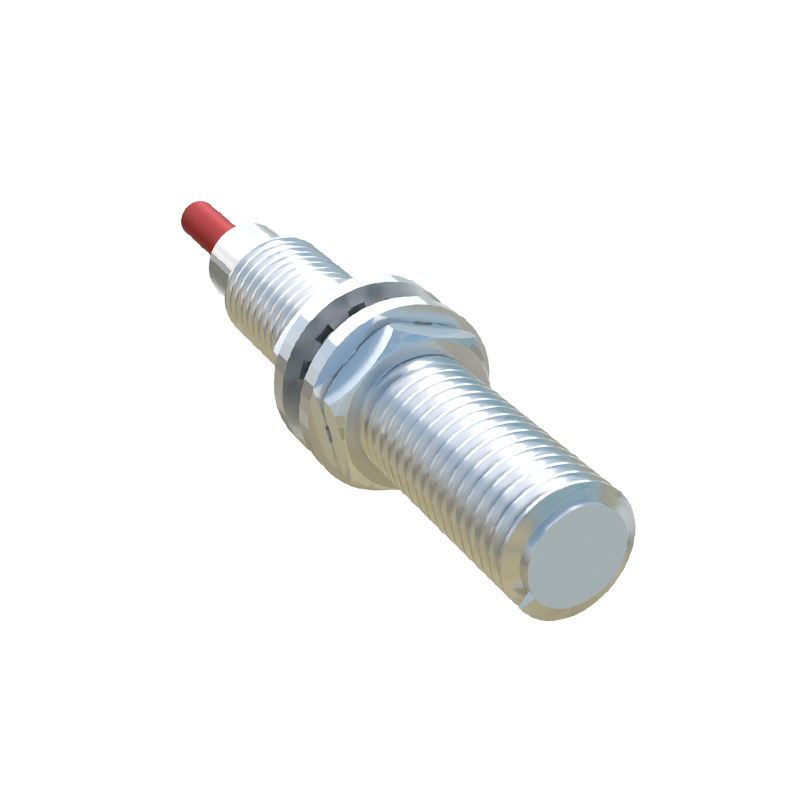
The primary advantage of using extension heads lies in their ability to enhance sensor longevity and accuracy. By distancing the sensitive electronic components from hostile environments, extension heads reduce wear and tear, minimizing downtime and maintenance costs. For instance, in welding applications, an extension head can protect the sensor from spatter and heat, ensuring reliable operation. Similarly, in food processing or pharmaceutical industries, hygienic extension heads with smooth surfaces prevent contamination and facilitate easy cleaning. Engineers can select extension heads with specific thread sizes, lengths, or shielding options to match industry standards, such as IP67 or IP69K ratings for water and dust resistance.
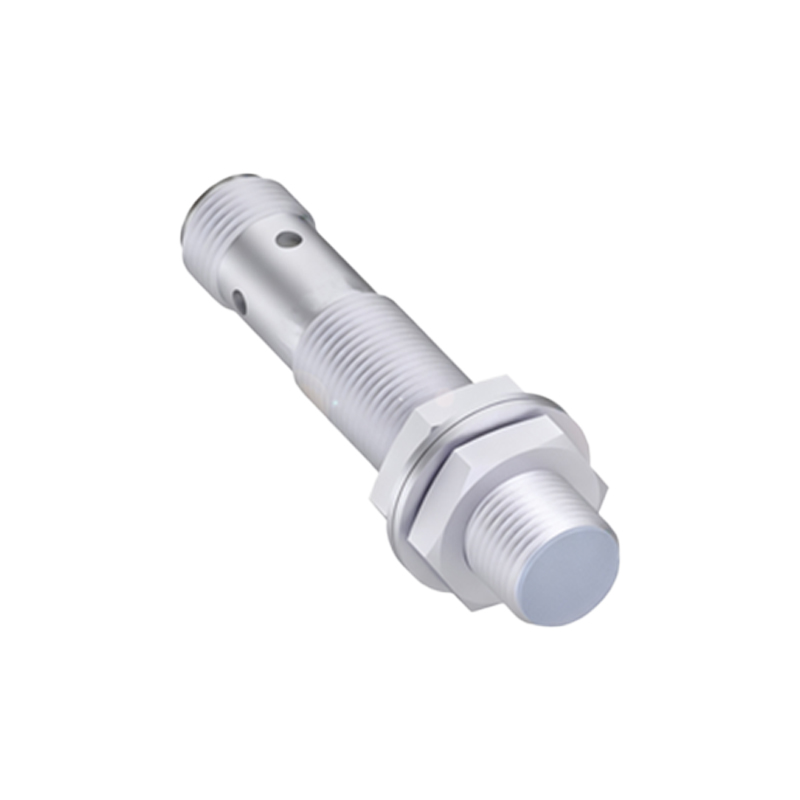
Installation and calibration of proximity switch sensors with extension heads require careful consideration. Proper alignment is crucial to avoid false triggers or reduced sensing ranges. Most extension heads feature standardized connections, such as M8 or M12 connectors, enabling seamless integration with existing sensor models from brands like Omron, Siemens, or Schneider Electric. Additionally, advancements in smart sensor technology have led to the development of extension heads with integrated diagnostics, allowing for real-time monitoring of performance metrics like temperature fluctuations or signal strength. This connectivity supports Industry 4.0 initiatives, where data-driven insights improve efficiency and predictive maintenance.
In practice, extension heads are widely used across sectors such as automotive manufacturing, packaging, and material handling. For example, in assembly lines, they enable sensors to detect small components in tight spaces, enhancing precision in robotic pick-and-place operations. Case studies from automotive plants highlight how angled extension heads help monitor door hinges or engine parts, reducing errors and increasing throughput. As automation evolves, the demand for customizable extension heads grows, with manufacturers offering tailored solutions for niche applications, including underwater sensing or high-vibration environments.
Despite their benefits, selecting the right extension head involves evaluating factors like material compatibility, environmental exposure, and cost-effectiveness. Engineers should consult technical datasheets to ensure compatibility with sensor specifications, such as sensing distance and output types (e.g., PNP or NPN). Regular testing and maintenance, including checks for mechanical damage or signal interference, are recommended to sustain optimal performance. Looking ahead, innovations in miniaturization and wireless technology may further expand the capabilities of extension heads, enabling more flexible and resilient sensing networks in smart factories.
In summary, proximity switch sensor extension heads are vital accessories that extend the versatility and durability of sensing systems in industrial settings. By understanding their design principles and applications, professionals can leverage these components to overcome spatial and environmental constraints, driving efficiency and reliability in automated processes. As industries continue to embrace automation, the role of extension heads will only become more prominent, underscoring their importance in modern engineering solutions.