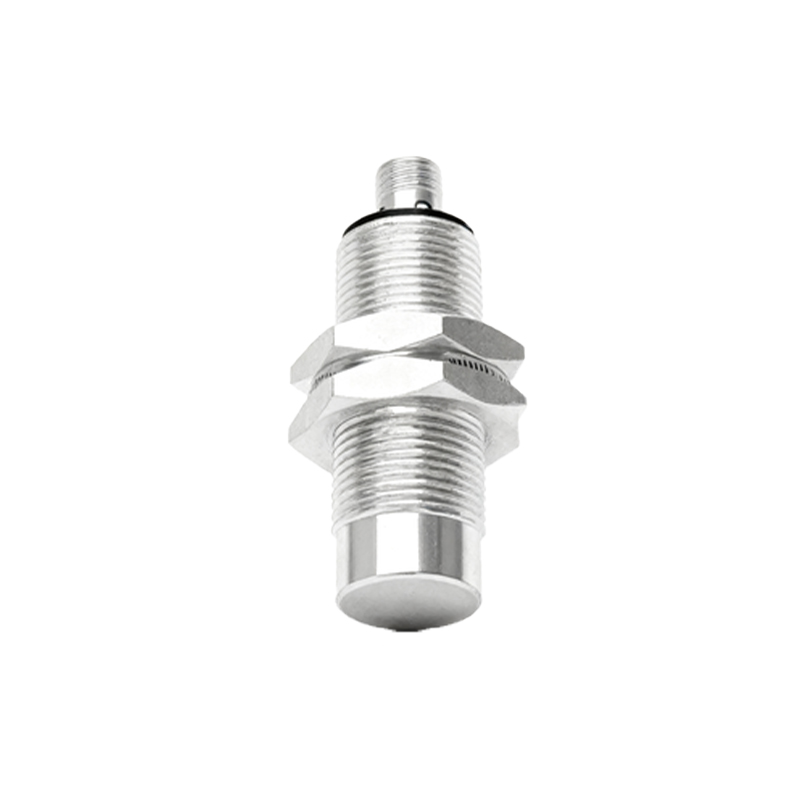
In the realm of industrial automation and electrical engineering, proximity sensors under one inch in size have become indispensable components for precision detection and control. These compact devices, often measuring less than 25.4 mm in diameter or length, are engineered to detect the presence or absence of an object without physical contact. Utilizing technologies such as inductive, capacitive, ultrasonic, and photoelectric sensing, they offer reliable performance in harsh environments where space constraints and accuracy are critical.
Inductive proximity sensors, typically detecting metallic objects, are widely used in manufacturing lines for position verification, counting, and end-of-travel detection. Their robust construction allows them to withstand vibrations, dust, and moisture, making them ideal for machinery and automotive applications. Capacitive sensors, on the other hand, can detect both metallic and non-metallic materials, including liquids and plastics, which is essential in packaging, food processing, and pharmaceutical industries. The miniaturization of these sensors has enabled integration into tight spaces, such as robotic arms and conveyor systems, without compromising detection range or sensitivity.
The design of sub-one-inch proximity sensors emphasizes efficiency and durability. Advanced models feature embedded microprocessors for self-diagnosis and adaptive sensing, reducing downtime and maintenance costs. For instance, in assembly lines, these sensors ensure precise alignment of components, enhancing product quality and throughput. In safety systems, they act as non-contact switches to prevent accidents by monitoring machine guards or hazardous zones. The trend toward Industry 4.0 and the Internet of Things (IoT) has further driven innovation, with sensors now offering digital outputs, IO-Link communication, and compatibility with smart factory networks for real-time data analytics.
When selecting a proximity sensor under one inch, engineers must consider factors like sensing distance, material composition, environmental conditions, and output type. For example, in high-temperature settings, sensors with extended thermal ranges are preferred, while in washdown areas, stainless steel housings with high IP ratings are necessary. Calibration and installation also play a crucial role; improper mounting can lead to false triggers or reduced lifespan. Regular testing with target objects ensures optimal performance, and adherence to standards such as IEC 60947-5-2 guarantees reliability and safety.
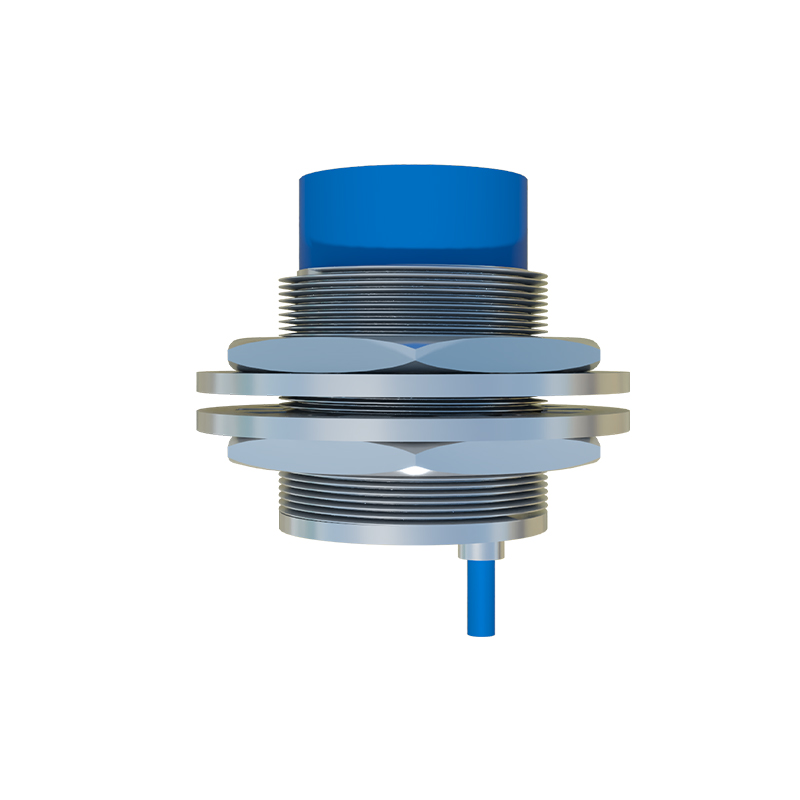
In conclusion, the evolution of proximity sensors under one inch reflects the ongoing demand for miniaturization and intelligence in industrial systems. By enabling non-contact detection in compact forms, they contribute to enhanced automation, efficiency, and safety across diverse sectors. As technology advances, we can expect even smaller, more versatile sensors with improved energy efficiency and connectivity, paving the way for next-generation applications in robotics, medical devices, and beyond.