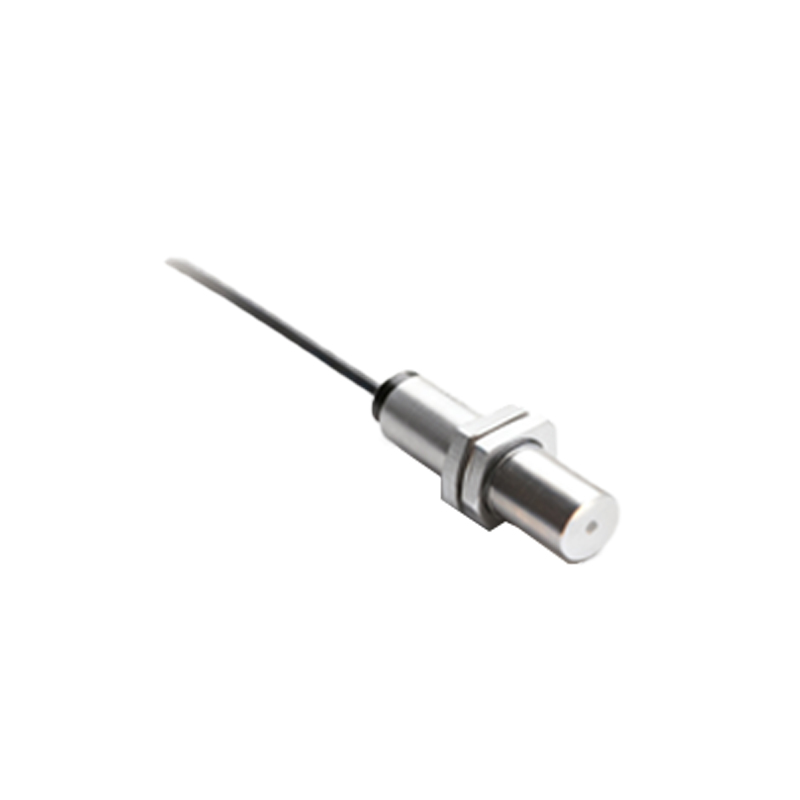
Proximity sensors have become indispensable components in modern industrial automation, offering a range of benefits that enhance efficiency, safety, and reliability. Unlike mechanical switches, these non-contact sensors detect the presence or absence of an object without physical touch, making them ideal for harsh environments where contamination, wear, and tear are concerns. Their advantages span multiple dimensions, from operational performance to long-term cost savings.
One of the primary advantages is their durability and minimal maintenance requirements. Since there is no physical contact between the sensor and the target object, mechanical wear is virtually eliminated. This extends the sensor's lifespan significantly, reducing downtime and replacement costs. For instance, in manufacturing lines with high-speed operations, proximity sensors can endure millions of cycles without degradation, ensuring consistent performance in applications like counting, positioning, or object detection.
Another key benefit is their high-speed response capability. Proximity sensors can detect objects at rapid rates, often in milliseconds, which is crucial for precision tasks in industries such as automotive assembly or packaging. This fast response time allows for real-time monitoring and control, improving throughput and reducing errors. Additionally, they are unaffected by surface conditions like color, texture, or material transparency, as they rely on electromagnetic or capacitive principles. This makes them versatile for diverse materials, including metals, plastics, and liquids.
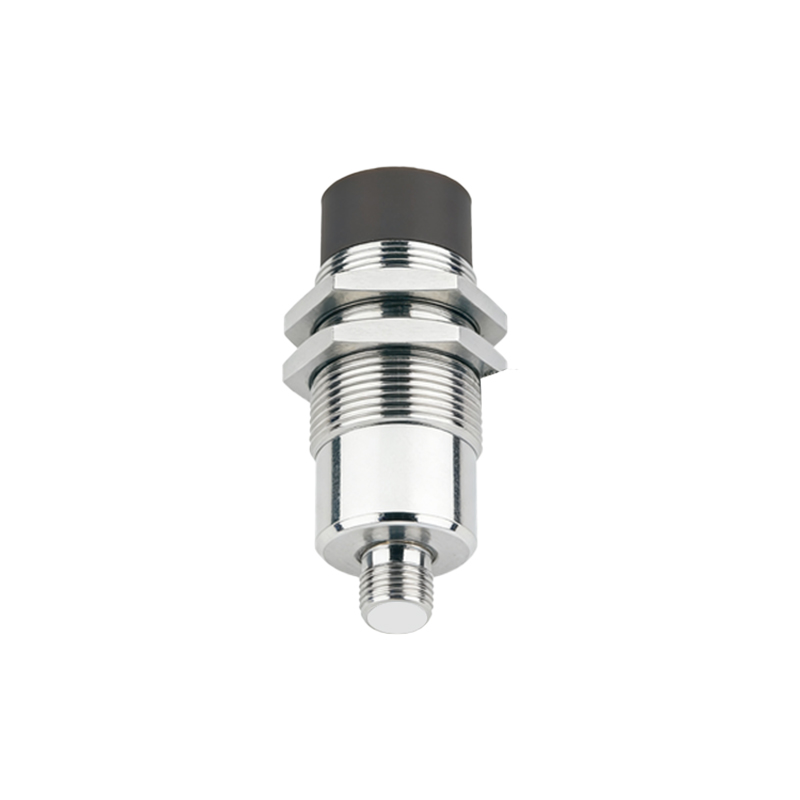
In terms of environmental resilience, proximity sensors excel in challenging conditions. They are typically designed to withstand dust, moisture, vibrations, and extreme temperatures. Many models feature IP67 or higher ingress protection ratings, making them suitable for outdoor use or washdown environments in food processing or chemical plants. This robustness ensures reliable operation without frequent recalibration, even in settings where other sensor types might fail.
Energy efficiency is also a notable advantage. Modern proximity sensors consume low power while maintaining high sensitivity, contributing to reduced operational costs and supporting sustainable practices. Their compact design allows for easy integration into tight spaces, facilitating flexible installation in complex machinery or robotic systems. Furthermore, they offer enhanced safety by enabling non-contact detection in hazardous areas, minimizing risks of sparks or explosions in flammable atmospheres—a critical feature in industries like oil and gas.
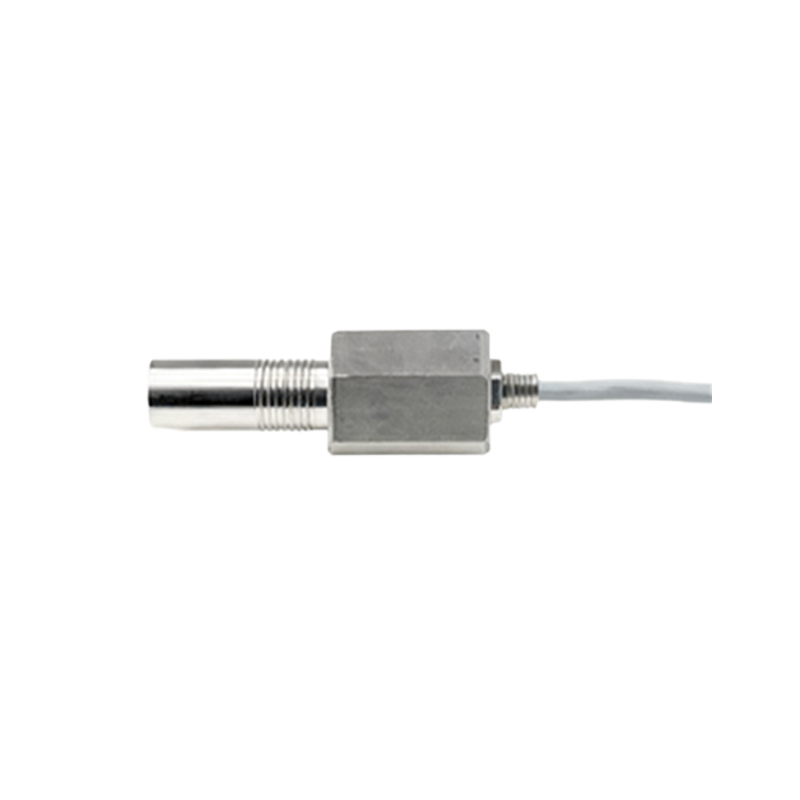
From a cost perspective, while the initial investment might be higher than mechanical alternatives, the total cost of ownership is often lower due to reduced maintenance, longer service life, and improved system efficiency. Proximity sensors also support Industry 4.0 initiatives by providing digital outputs that integrate seamlessly with PLCs (Programmable Logic Controllers) and IoT (Internet of Things) networks, enabling predictive maintenance and data-driven optimization.
In summary, proximity sensors deliver a compelling combination of durability, speed, versatility, and environmental adaptability. Their non-contact nature not only enhances reliability but also drives innovation in automation, making them a cornerstone of smart manufacturing and industrial progress. As technology advances, these sensors continue to evolve, offering even greater precision and connectivity for future applications.