In the demanding world of industrial automation and machinery, proximity switch sensors are indispensable components. These non-contact sensors detect the presence or absence of objects with high precision and reliability, forming the backbone of countless control and safety systems. However, their operational environments are often harsh, exposing them to moisture, dust, chemicals, vibration, and extreme temperatures. To ensure longevity and consistent performance, effective protection is paramount. This is where specialized proximity switch sensor potting equipment plays a critical role. Potting, the process of encapsulating electronic assemblies in a protective resin compound, is not merely an afterthought but a vital engineering step that defines product lifespan.
The core function of potting equipment for proximity sensors is to provide a robust, hermetic seal around the sensitive internal electronics—typically comprising an oscillator, amplifier, and output circuit. The potting compound, often a two-part epoxy, polyurethane, or silicone, is dispensed into the sensor housing, completely surrounding the components before curing into a solid, protective block. This process achieves several key objectives. Primarily, it prevents the ingress of contaminants like water, oils, and conductive dust that could cause short circuits or corrosion. Secondly, it provides exceptional mechanical stability, dampening vibrations and shocks that could loosen solder joints or damage components. Furthermore, it offers excellent thermal management, helping to dissipate heat and protect against thermal cycling stresses. For sensors used in food processing, marine applications, or outdoor settings, this encapsulation is essential for compliance with IP (Ingress Protection) ratings such as IP67 or IP68.
Modern proximity switch sensor potting equipment is engineered for precision, efficiency, and repeatability. The system typically consists of several integrated components. A precision metering and mixing unit is at the heart, accurately proportioning the resin and hardener from two separate containers. For optimal results, a static mixer thoroughly blends the two components just before dispensing, initiating the curing reaction. The dispensing head, often robotically controlled or part of an automated conveyor line, then injects the mixed compound into the sensor housing with pinpoint accuracy. Control is crucial; too little potting leaves voids and weak points, while over-potting can interfere with the sensor's sensing field or mechanical fit. Advanced systems feature programmable logic controllers (PLCs) and touch-screen interfaces, allowing operators to set precise parameters for shot volume, dispense speed, and cycle time, ensuring batch-to-bust consistency.
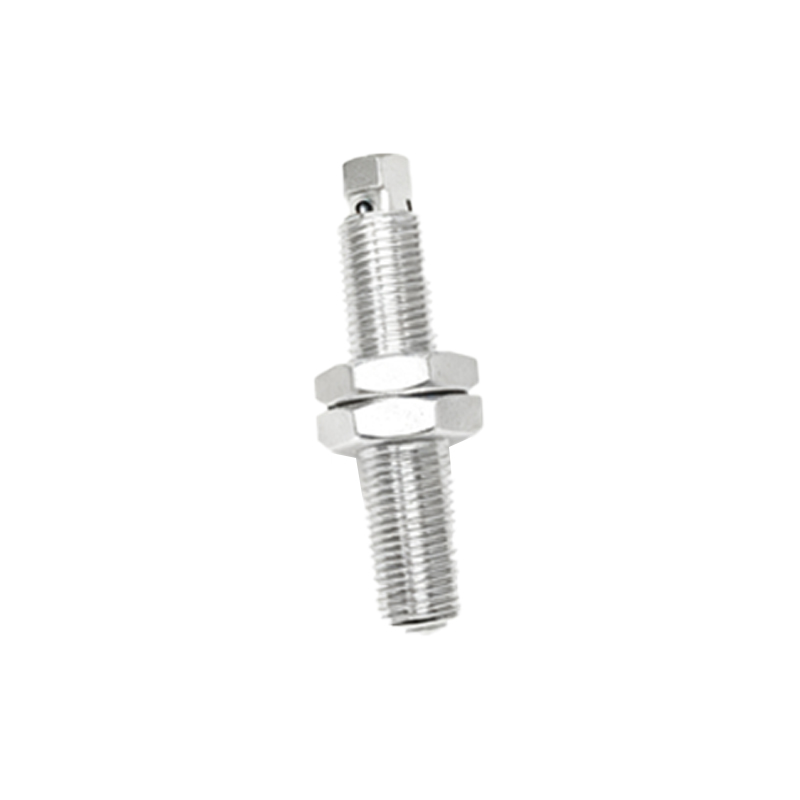
The choice of potting compound and the equipment parameters are deeply intertwined. Epoxy resins offer high hardness and chemical resistance but can be brittle. Polyurethanes provide good flexibility and moisture resistance, while silicones excel in extreme temperature ranges and offer superior elasticity. The potting equipment must be compatible with the viscosity and pot life (working time) of the chosen material. For high-volume manufacturing, automated degassing chambers may be integrated to remove air bubbles from the mixed resin before dispensing, eliminating potential insulation weaknesses. Post-dispensing, sensors move through a controlled curing oven where temperature and humidity are managed to achieve the compound's full mechanical and protective properties.
Investing in advanced potting technology yields significant returns. For sensor manufacturers, it directly translates to higher product quality, reduced field failures, and lower warranty costs. It enables the design of sensors for more challenging applications, opening new market opportunities. For end-users in industries like automotive manufacturing, material handling, and heavy machinery, it means fewer unplanned downtimes, enhanced system safety, and reduced maintenance costs. The encapsulated sensor can withstand washdowns in pharmaceutical plants, operate reliably in the oily environment of a machining center, or function in the sub-zero temperatures of a cold storage facility.
In conclusion, proximity switch sensor potting equipment is a sophisticated and essential link in the manufacturing chain of reliable industrial sensors. It transcends simple assembly, embodying the principle of design for reliability. By seamlessly integrating material science with precision automation, this technology ensures that the critical "eyes" of modern machinery—the proximity sensors—remain protected, accurate, and durable throughout their service life, safeguarding productivity and operational integrity across the global industrial landscape.