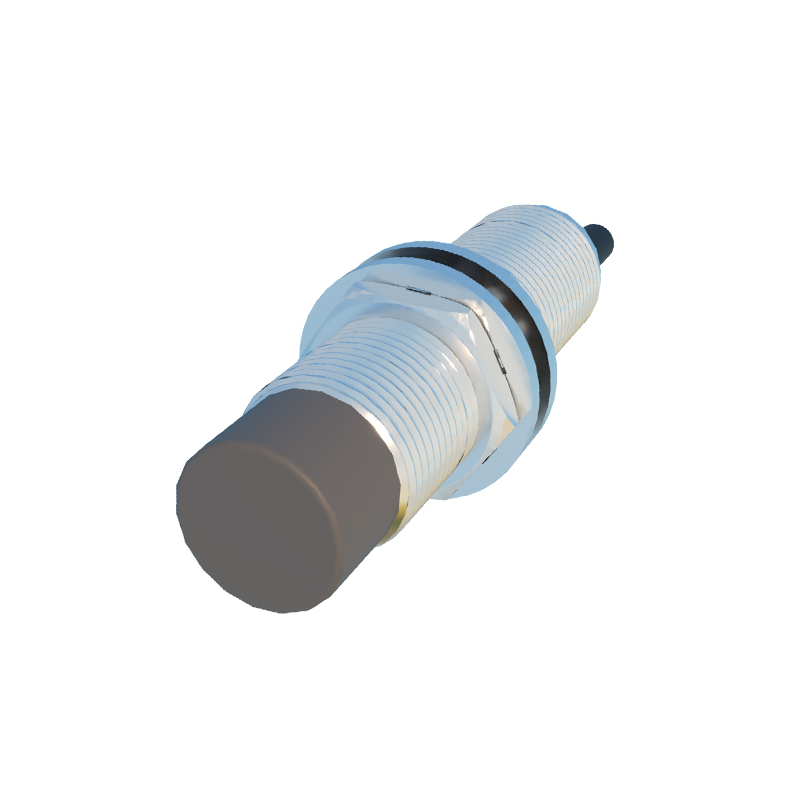
In the modern textile industry, the integration of advanced automation technologies has revolutionized production processes, with proximity switch sensors playing a pivotal role in ensuring operational precision and efficiency. These non-contact sensors, widely utilized in textile machinery, detect the presence or absence of objects without physical interaction, thereby minimizing wear and tear and reducing maintenance needs. This article delves into the applications, benefits, and selection criteria of proximity switch sensors in textile manufacturing, highlighting their impact on productivity and quality control.
Proximity switch sensors are commonly employed in various textile machinery, including looms, spinning frames, and knitting machines. For instance, in high-speed looms, these sensors monitor the position of shuttle mechanisms, ensuring accurate weaving patterns and preventing fabric defects. By detecting metal components or other materials, they enable real-time feedback to control systems, allowing for immediate adjustments to speed, tension, or alignment. This capability is crucial in maintaining consistent fabric quality, especially in large-scale production where even minor deviations can lead to significant waste.
The advantages of using proximity switch sensors in textile applications are multifaceted. Firstly, their non-contact nature eliminates friction, which is essential in environments where dust, lint, and fibers are prevalent. Traditional mechanical switches often suffer from clogging or damage due to debris accumulation, leading to frequent downtime. In contrast, proximity sensors, particularly inductive or capacitive types, offer robust performance with minimal interference from environmental factors. Secondly, these sensors enhance safety by reducing the risk of operator injury, as they operate without direct contact with moving parts. Additionally, their fast response times—often in milliseconds—support high-speed machinery operations, boosting overall throughput.
When selecting proximity switch sensors for textile machinery, engineers must consider several factors to ensure optimal performance. Sensor type is a primary consideration: inductive sensors are ideal for detecting metallic objects, such as needles or rollers, while capacitive sensors can sense non-metallic materials like yarn or fabric. The sensing range, environmental resistance (e.g., to humidity or temperature fluctuations), and output configuration (e.g., NPN or PNP) should align with the specific machinery requirements. For example, in humid dyeing sections, sensors with high IP ratings are necessary to withstand moisture. Moreover, integration with programmable logic controllers (PLCs) or industrial networks facilitates seamless automation, enabling predictive maintenance and data analytics for process optimization.
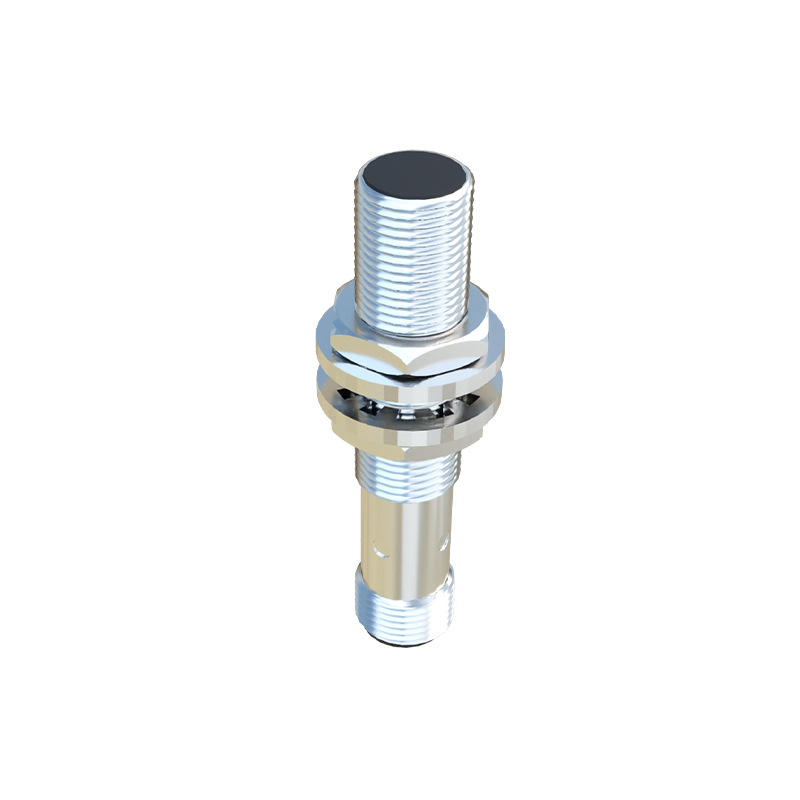
In practice, proximity switch sensors contribute to energy efficiency and cost savings in textile plants. By enabling precise control over machine cycles, they reduce unnecessary movements and power consumption. For instance, sensors can trigger automatic shutdowns during idle periods or adjust motor speeds based on real-time load conditions. This not only lowers electricity bills but also extends the lifespan of machinery components. Furthermore, the reliability of these sensors minimizes unplanned stoppages, which are costly in terms of lost production and repair expenses. As the textile industry moves toward Industry 4.0, the data collected from sensors can be leveraged for smart manufacturing initiatives, such as predictive quality assurance and supply chain optimization.
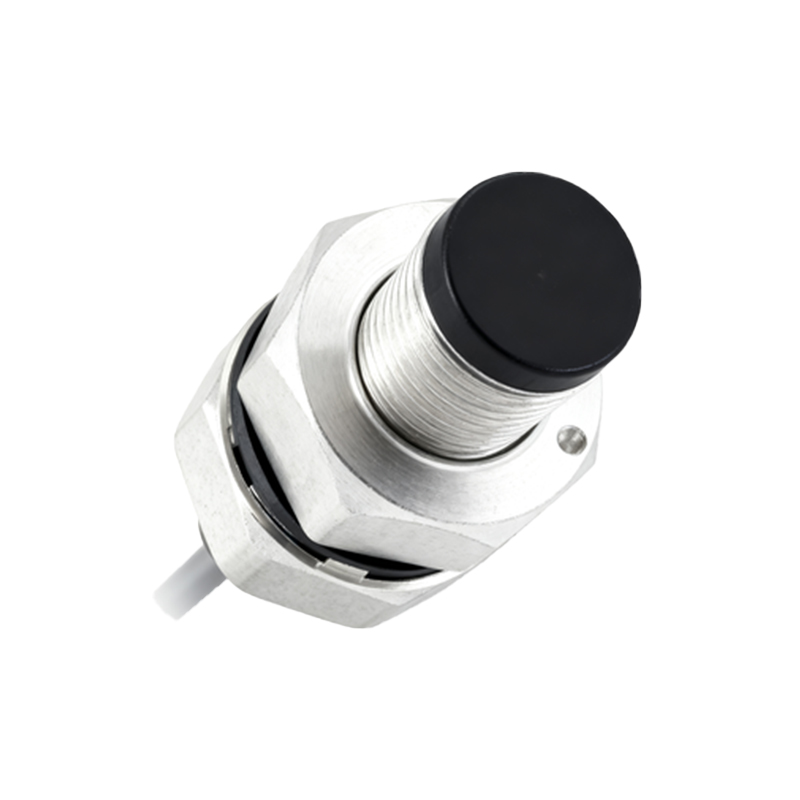
Despite their benefits, challenges exist in implementing proximity switch sensors in textile environments. Dust and fiber accumulation can occasionally affect sensor accuracy, necessitating regular cleaning or the use of specialized housings. Electromagnetic interference from nearby motors or generators may also require shielding solutions. However, ongoing advancements in sensor technology, including the development of self-cleaning mechanisms and enhanced durability, are addressing these issues. Manufacturers are increasingly offering customized sensor solutions tailored to textile applications, ensuring compatibility and long-term performance.
In conclusion, proximity switch sensors are indispensable components in contemporary textile machinery, driving improvements in precision, safety, and efficiency. Their ability to operate without contact in demanding conditions makes them a preferred choice for automation engineers. As the textile industry continues to evolve with digital transformation, the role of these sensors will expand, supporting innovations in sustainable production and smart factory ecosystems. By carefully selecting and maintaining proximity sensors, textile manufacturers can achieve higher productivity, reduced waste, and enhanced competitiveness in the global market.