In the realm of industrial automation, proximity sensors are indispensable components for detecting the presence or absence of objects without physical contact. However, the effectiveness of these sensors heavily relies on their precise positioning and alignment. This is where adjustable proximity sensor mounting brackets come into play, offering a critical solution for optimizing sensor performance across diverse applications.
Adjustable mounting brackets are engineered to provide flexibility in installation, allowing for fine-tuning of sensor orientation and distance. Typically constructed from durable materials such as aluminum, stainless steel, or reinforced plastics, these brackets are designed to withstand harsh industrial environments, including exposure to vibrations, temperature fluctuations, and contaminants. The adjustability feature is often achieved through slotted holes, pivot joints, or telescopic mechanisms, enabling users to modify the sensor's angle, height, and lateral position with ease.
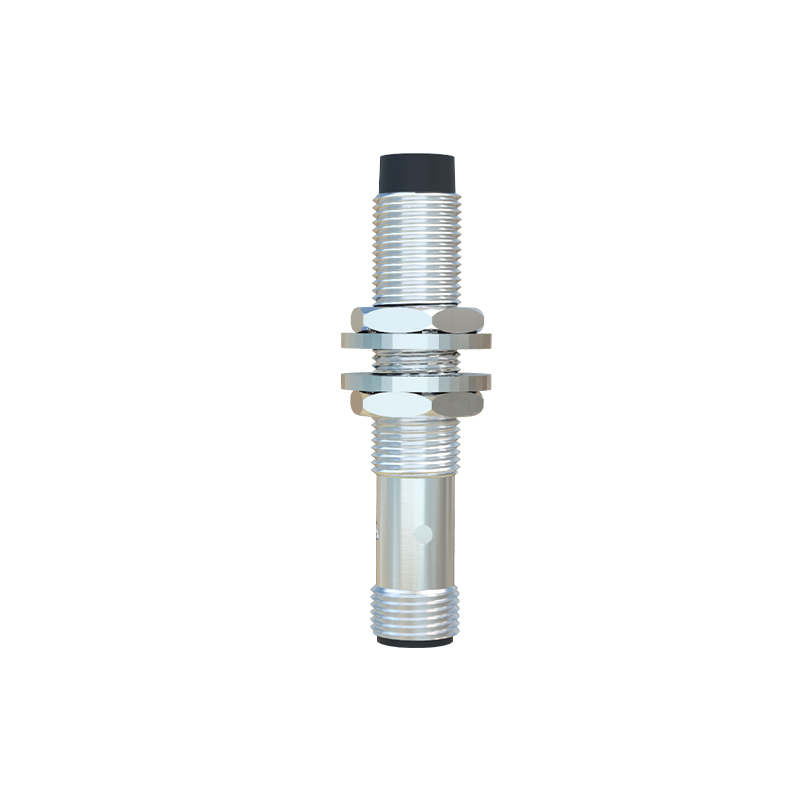
One of the primary advantages of using adjustable brackets is the enhancement of measurement accuracy. Proximity sensors, whether inductive, capacitive, or photoelectric, require specific sensing ranges and angles to function correctly. Fixed mounts can lead to misalignment, resulting in false triggers or missed detections. With adjustable brackets, technicians can precisely calibrate sensors during installation and maintenance, ensuring reliable operation and reducing downtime. For instance, in conveyor belt systems, sensors must be accurately positioned to detect items of varying sizes without interference from the belt itself. Adjustable brackets facilitate this by allowing on-the-fly adjustments to accommodate different product lines.
Moreover, these brackets contribute to cost-efficiency and versatility. Instead of purchasing multiple sensor models or custom fixtures for each application, a single adjustable bracket can adapt to various sensor types and mounting scenarios. This modularity simplifies inventory management and reduces overall equipment costs. In automotive assembly lines, for example, proximity sensors monitor robotic arms and part placements. Adjustable brackets enable quick reconfiguration when production lines are updated, supporting agile manufacturing processes without requiring extensive retooling.
Installation and maintenance are also streamlined with adjustable brackets. Many designs incorporate tool-free adjustment features, such as thumb screws or quick-release levers, allowing for rapid setup and modifications. This is particularly beneficial in high-paced industries where minimizing operational interruptions is crucial. Additionally, brackets with corrosion-resistant coatings or IP-rated enclosures ensure longevity in demanding settings like food processing or chemical plants, where sensors may face moisture, dust, or corrosive substances.
When selecting an adjustable proximity sensor mounting bracket, several factors should be considered. The bracket must be compatible with the sensor's size, weight, and mounting interface (e.g., threaded or cylindrical housings). Environmental conditions, such as temperature ranges and potential exposure to oils or chemicals, dictate material choices. Furthermore, the degree of adjustability—whether it offers multi-axis movement or limited rotation—should align with the application's precision requirements. For high-vibration environments, locking mechanisms or anti-loosening features are essential to maintain stability over time.
In practice, adjustable brackets are widely used across sectors like packaging, material handling, and machinery safety. In packaging lines, sensors equipped with these brackets detect label positions or cap placements on bottles, with adjustments ensuring consistent readings despite product variations. For safety applications, such as guarding hazardous machine zones, proximity sensors mounted on adjustable brackets can be fine-tuned to monitor access points accurately, enhancing worker protection.
Looking ahead, advancements in bracket design are integrating smart features, such as IoT-enabled adjustments or automated alignment systems, though these remain niche. For now, the focus remains on robustness and user-friendly adjustability. By investing in high-quality adjustable mounting brackets, industries can maximize the lifespan and reliability of their proximity sensors, ultimately boosting productivity and reducing maintenance costs.
In summary, adjustable proximity sensor mounting brackets are vital tools in industrial automation, bridging the gap between sensor technology and practical implementation. Their ability to enhance precision, adaptability, and efficiency makes them a cornerstone of modern manufacturing and process control systems. As automation evolves, the demand for versatile mounting solutions will only grow, underscoring their importance in achieving seamless, error-free operations.