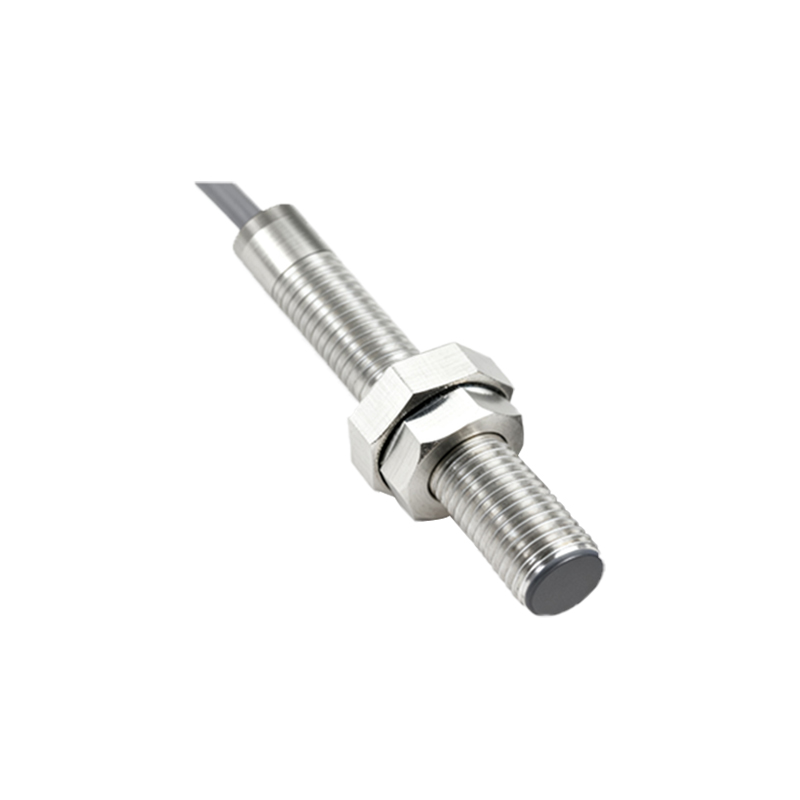
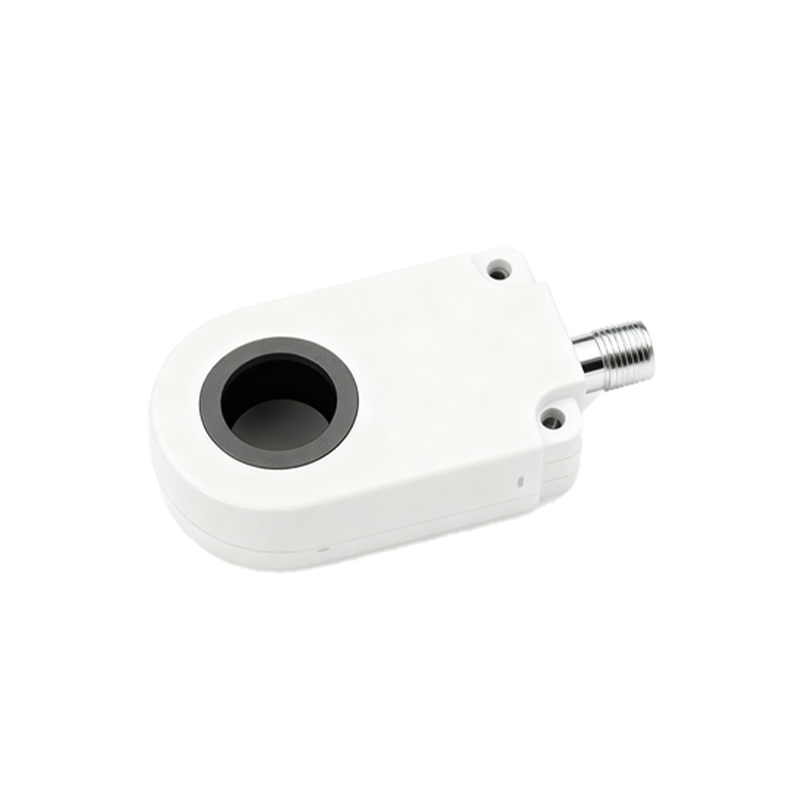
In the realm of industrial automation and control systems, smooth surface proximity sensors have emerged as critical components for non-contact detection and positioning tasks. These sensors are designed with a sleek, flush-mountable housing that allows them to be installed seamlessly into machinery without protruding, making them ideal for applications where space is limited or where obstructions must be avoided. One of the primary features of smooth surface proximity sensors is their immunity to environmental factors such as dust, oil, and moisture. The sealed, flat front face prevents the accumulation of contaminants, ensuring reliable operation even in harsh industrial settings like manufacturing lines, packaging systems, and automotive assembly plants.
Another significant characteristic is their high sensing accuracy and repeatability. Utilizing technologies such as inductive, capacitive, or magnetic principles, these sensors can detect metallic or non-metallic objects with precision, often within millimeter tolerances. This makes them suitable for tasks requiring exact positioning, such as in robotic arms, conveyor belt monitoring, or quality control inspections. The smooth surface design also minimizes mechanical wear and tear, as there are no moving parts exposed, leading to extended lifespan and reduced maintenance costs.
Furthermore, smooth surface proximity sensors offer versatile mounting options. They can be embedded directly into metal or plastic structures, providing a clean and unobtrusive installation. This flexibility is complemented by their wide operating temperature ranges and resistance to vibration, which are essential for dynamic industrial environments. Many models also feature LED indicators for easy status monitoring and diagnostic purposes, enhancing user convenience during setup and troubleshooting.
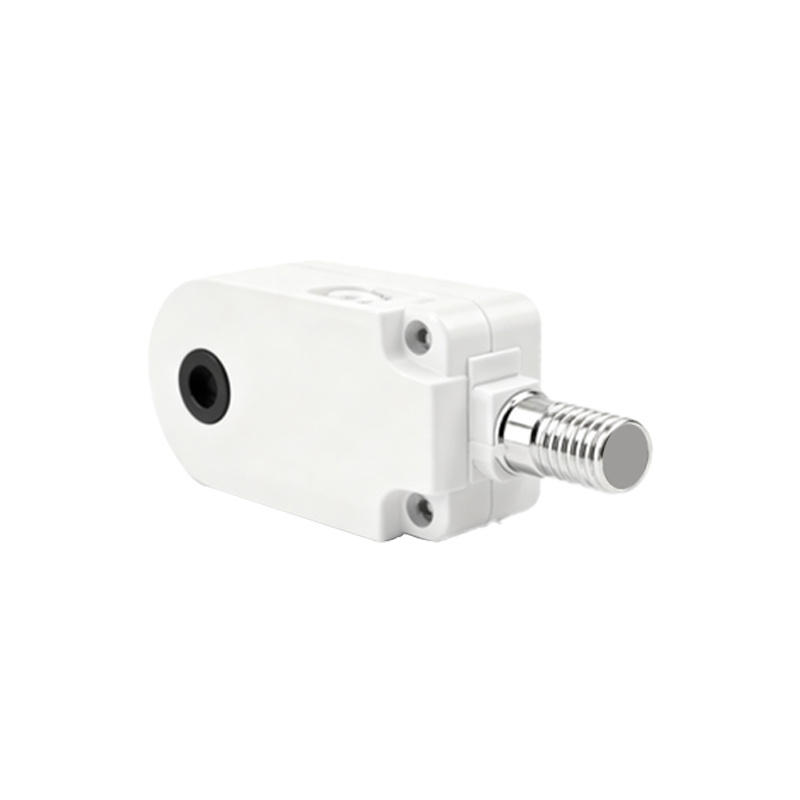
In terms of electrical performance, these sensors typically support various output types, including NPN, PNP, and analog signals, allowing compatibility with different control systems like PLCs (Programmable Logic Controllers). Their fast response times enable real-time detection, which is crucial for high-speed automation processes. Additionally, advancements in technology have led to the development of energy-efficient versions that consume minimal power while maintaining robust detection capabilities, aligning with modern sustainability goals in industry.
Overall, the integration of smooth surface proximity sensors into automated systems enhances efficiency, safety, and reliability. By combining durability, precision, and adaptability, they address the evolving demands of sectors such as electronics, food processing, and pharmaceuticals, where hygiene and space constraints are paramount. As industries continue to embrace smart manufacturing and IoT (Internet of Things) solutions, these sensors are poised to play an increasingly vital role in optimizing operational workflows and minimizing downtime.