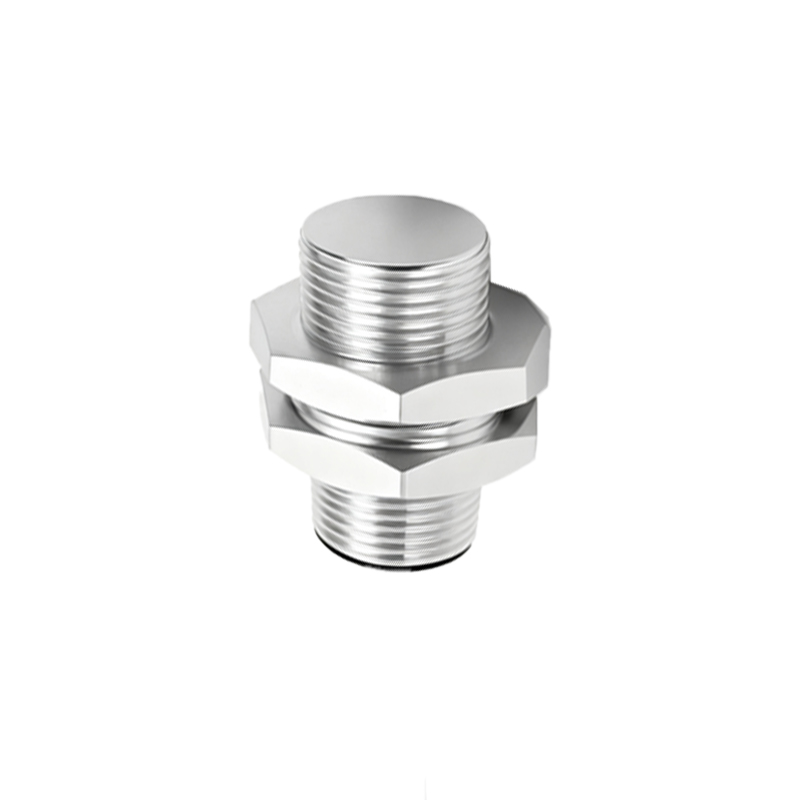
Light curtain proximity sensors represent a critical advancement in industrial automation, offering a blend of safety, precision, and efficiency. These devices operate by projecting an array of infrared light beams between a transmitter and receiver, creating an invisible protective curtain. When an object interrupts this curtain, the sensor triggers a response, such as stopping machinery to prevent accidents. One standout feature is their high sensitivity and fast response time, typically in milliseconds, which ensures immediate detection of intrusions, crucial for high-speed production lines. This rapid reaction minimizes downtime and enhances workplace safety, aligning with global standards like ISO 13849-1 for machinery safety.
Another key characteristic is the versatility in configuration. Light curtains can be customized in terms of resolution, which refers to the spacing between light beams. Fine resolution models detect small objects, such as fingers or tools, making them ideal for intricate assembly tasks, while coarse resolution versions suit larger applications like material handling. Additionally, they offer adjustable detection ranges, from a few centimeters to several meters, allowing deployment in diverse environments, from compact robotic cells to expansive conveyor systems. This adaptability reduces the need for multiple sensor types, streamlining inventory and maintenance.
Durability and reliability are paramount in industrial settings, and light curtain sensors excel here. Constructed with robust materials like stainless steel or polycarbonate, they withstand harsh conditions, including dust, moisture, and temperature fluctuations. Many models feature IP67 or higher ingress protection ratings, ensuring operation in wet or dirty areas without performance degradation. Moreover, these sensors incorporate self-checking mechanisms that continuously monitor beam integrity and alignment, alerting operators to any faults before they compromise safety. This proactive maintenance capability extends lifespan and reduces unexpected failures.
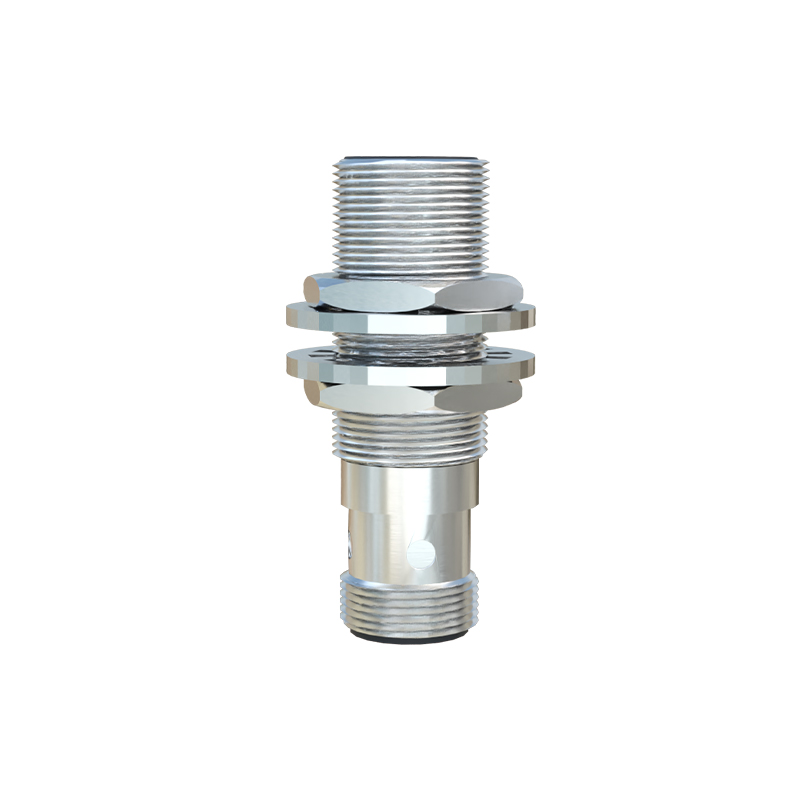
Integration with modern control systems is seamless, thanks to advanced communication protocols such as Ethernet/IP, PROFINET, or IO-Link. This enables real-time data exchange with PLCs (Programmable Logic Controllers) and SCADA (Supervisory Control and Data Acquisition) systems, facilitating predictive analytics and smart factory initiatives. For instance, sensors can log intrusion events to optimize workflow or trigger automated adjustments. Energy efficiency is another notable trait, with low power consumption designs that support sustainable operations and reduce operational costs over time.
In summary, light curtain proximity sensors provide a comprehensive solution for industrial safety and automation. Their features—including fast response, customizable resolution, rugged construction, self-diagnostics, and smart connectivity—make them indispensable in sectors like automotive manufacturing, packaging, and robotics. By combining protective functions with operational insights, they not only safeguard personnel but also boost productivity, embodying the evolution toward safer, more intelligent industrial environments.