In the realm of industrial automation and machine safety, proximity sensors are indispensable components for non-contact object detection. Among the diverse range of models available, the D-C73 proximity sensor has established itself as a reliable and versatile solution for numerous applications. This article delves into the technical specifications, operational principles, common use cases, and key considerations for integrating the D-C73 into your systems.
The D-C73 is typically an inductive proximity sensor. This type of sensor generates an electromagnetic field from its sensing face. When a metallic target object enters this field, it induces eddy currents within the target. The sensor detects the change in the oscillation amplitude caused by these eddy currents and triggers a solid-state output switch. This fundamental principle allows for the detection of ferrous and non-ferrous metals without any physical contact, ensuring long operational life and high reliability in harsh environments.
Key technical features often associated with the D-C73 series include a robust housing, frequently made of nickel-plated brass or stainless steel, providing excellent resistance to mechanical impact, oils, and coolants. The sensing distance, or nominal range, is a critical parameter. For a standard D-C73 model, this is typically in the range of a few millimeters to several centimeters, designed for precise short-range detection. It commonly offers a choice of output configurations, such as NPN (sinking) or PNP (sourcing) transistor outputs, and sometimes a Normally Open (NO) or Normally Closed (NC) function, allowing for flexible integration with various PLCs (Programmable Logic Controllers) and control systems. Many variants also feature built-in protection against short-circuit, reverse polarity, and surge voltages, enhancing system durability.
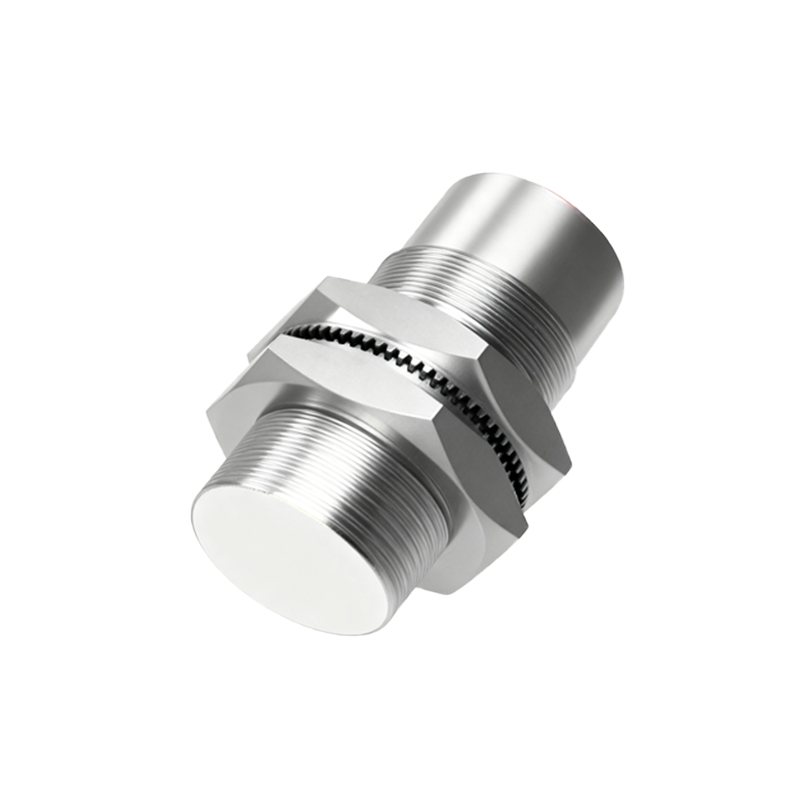
The application spectrum for the D-C73 proximity sensor is broad. A primary use is in position sensing on automated machinery. It can verify the presence or absence of a metal part on a conveyor, confirm the end position of a cylinder in pneumatic or hydraulic systems, or count metallic objects passing a specific point. In packaging machinery, it ensures correct product placement. Within automotive assembly lines, these sensors are ubiquitous for robot guidance, part verification, and tool positioning. Their sealed construction makes them suitable for washdown areas in food and beverage processing, though specific hygienic design models would be preferred for direct product contact zones.
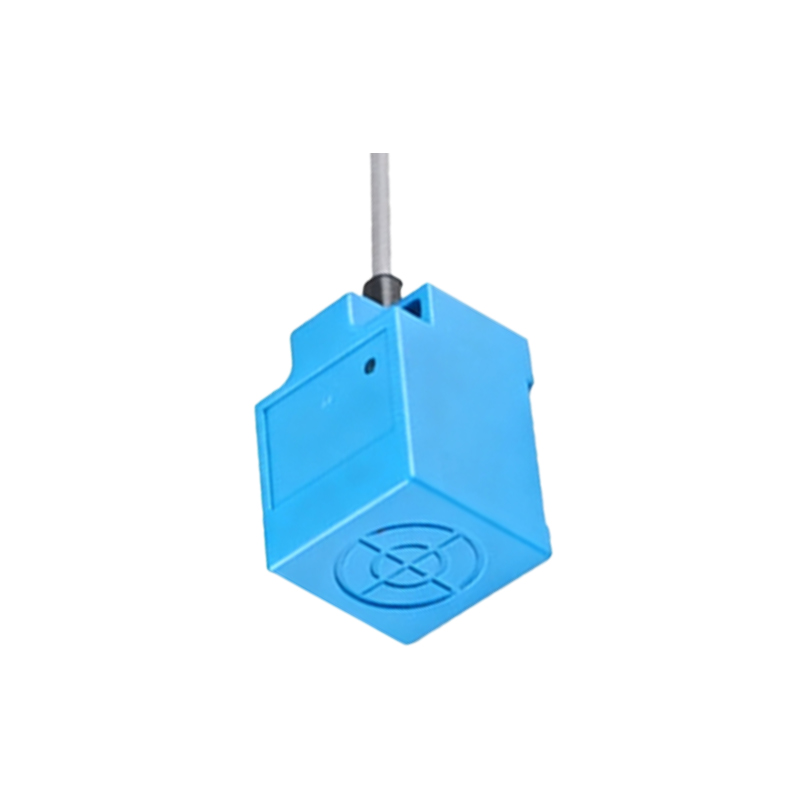
When selecting a D-C73 sensor for a specific task, several factors must be evaluated. First, determine the required sensing distance and ensure it is slightly less than the sensor's nominal range to account for tolerances and environmental factors. The target material is crucial; inductive sensors are optimized for metals, with different detection factors for steel, aluminum, or copper. The size and shape of the target also influence reliable detection. Environmental conditions cannot be overlooked. Consider the operating temperature range, potential exposure to chemicals, dust, or moisture (look for an appropriate IP rating like IP67), and the presence of strong electromagnetic interference. Electrical compatibility is paramount: match the sensor's supply voltage (e.g., 10-30V DC) and output type (NPN/PNP) with your control system's input card requirements. Finally, physical characteristics like housing style (threaded barrel, rectangular), connection type (pre-wired cable or quick-disconnect), and mounting constraints must align with the mechanical design of the application.
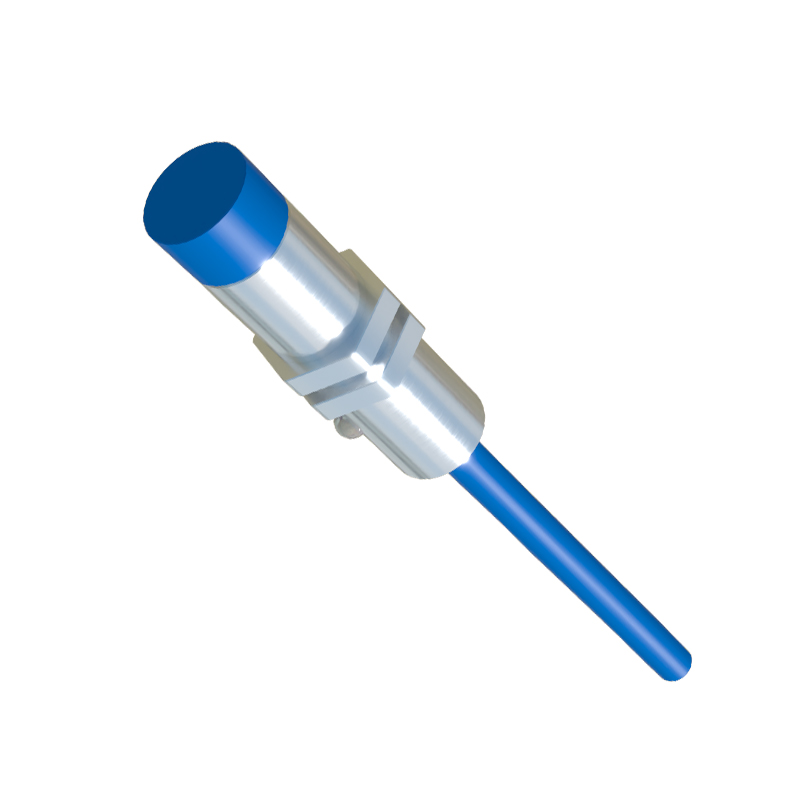
Installation and maintenance are straightforward but require attention to detail. Ensure the sensor is mounted securely and aligned correctly with the expected path of the target object. Maintain the recommended clearance around the sensing face from any surrounding metal to prevent false triggering. For wiring, strictly follow the manufacturer's datasheet for the pinout of the typically three wires: brown for DC+, blue for DC-, and black for the output signal. Regular maintenance mainly involves keeping the sensing face clean from debris, metal chips, or buildup that could attenuate the electromagnetic field and reduce the effective sensing range.
In conclusion, the D-C73 proximity sensor represents a workhorse component in industrial automation. Its non-contact operation, robust construction, and reliable performance make it a go-to choice for engineers designing systems that require accurate metallic object detection. By carefully considering the application requirements against the sensor's specifications—sensing range, target material, environmental ratings, and electrical interface—you can ensure optimal performance and longevity. Always consult the official technical data sheet for the specific D-C73 model in question to confirm exact parameters and ensure a successful implementation in your control architecture.