In the evolving landscape of building automation, automotive design, and industrial safety, the integration of proximity sensors into door handles represents a significant technological advancement. These unobtrusive components are transforming how we interact with entry points, moving beyond mere mechanical function to deliver intelligent, responsive, and secure operation. A door handle proximity sensor is a non-contact device that detects the presence of a hand or object within a defined range, triggering a predetermined action without physical contact.
The core technology behind these sensors typically involves capacitive, inductive, or infrared sensing principles. Capacitive sensors are particularly prevalent in modern applications. They work by generating an electrostatic field. When a conductive object, such as a human hand, enters this field, it alters the capacitance, which the sensor's circuitry detects. This allows for reliable detection even through non-conductive materials like glass or plastic, enabling sleek, flush-mounted handle designs. Inductive sensors, which detect metallic objects, are often used in industrial settings for robustness. Infrared sensors, which sense heat or reflected light, offer another variant for specific detection scenarios.
The primary functions and benefits of integrating proximity sensors into door handles are multifaceted, impacting safety, security, convenience, and aesthetics.
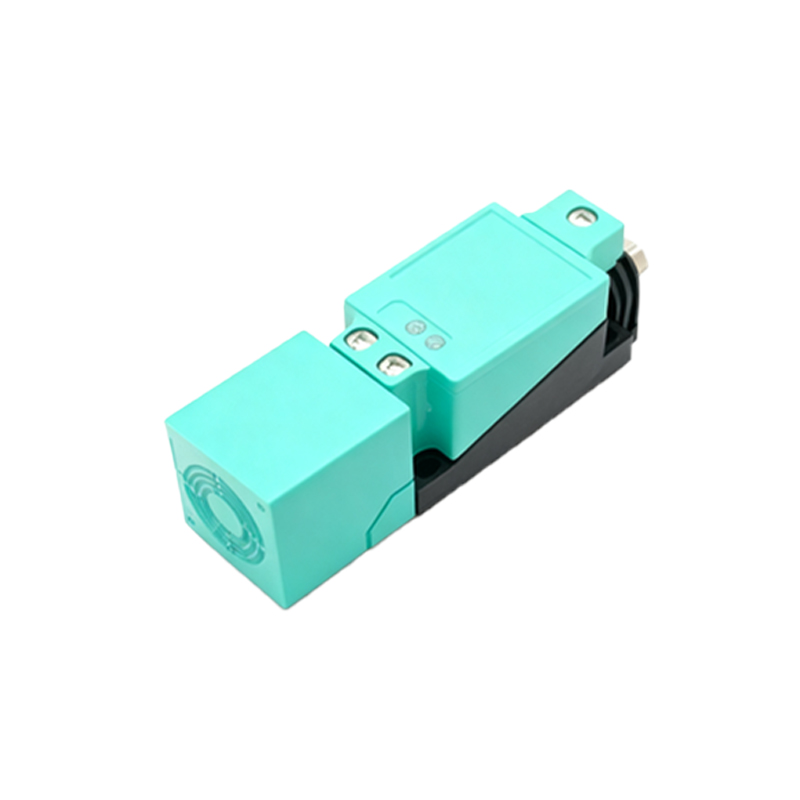
Enhanced Security and Access Control: In automotive applications, this technology is the cornerstone of keyless entry and passive start systems. As a user approaches with a key fob, simply grasping the door handle can trigger the sensor to authenticate the key's signal and automatically unlock the door. This seamless interaction eliminates the need to physically press a button or insert a key, providing both convenience and a layer of security, as there is no visible lock mechanism to tamper with. In secure building access, sensors can be integrated with biometric or card readers, only releasing the door's electronic lock after authorized presence is detected, thereby preventing tailgating.
Improved Hygiene and Durability: In public spaces, hospitals, or cleanrooms, touchless operation is a critical advantage. By eliminating the need to physically grip and pull a handle, proximity sensors significantly reduce the spread of germs and contaminants. This touch-free paradigm became especially salient in the post-pandemic era. Furthermore, reducing mechanical wear and tear on the latch and locking mechanisms extends the operational lifespan of the door hardware, leading to lower maintenance costs.
User Experience and Aesthetic Integration: The user experience is profoundly streamlined. The act of opening a door becomes intuitive and effortless, often accompanied by subtle feedback such as an LED light or an audible click. For individuals with mobility challenges or those carrying items, this hands-free or minimal-contact operation is invaluable. From a design perspective, sensors allow for minimalist, smooth handle surfaces without keyholes or buttons, contributing to cleaner architectural and automotive lines.
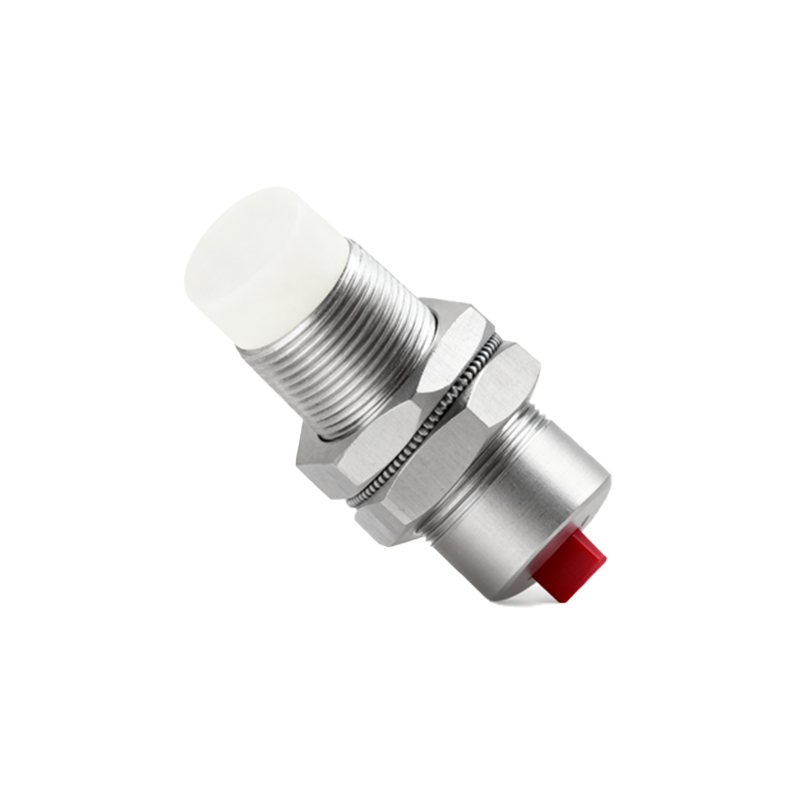
Safety and Automation: In industrial environments, proximity sensors on machinery access doors or safety gates can ensure that a door is fully closed and secured before equipment is energized, enforcing crucial safety protocols. They can also automate door operation in conjunction with sliding or swinging mechanisms, improving traffic flow in high-use areas.
Despite their advantages, the implementation of door handle proximity sensors requires careful engineering consideration. Environmental factors like rain, ice, extreme temperatures, and electromagnetic interference can affect sensor performance, particularly capacitive types. False triggers from accidental proximity must be mitigated through precise calibration and shielding. Power consumption is another critical factor, especially for battery-operated systems like car key fobs, necessitating efficient low-power circuit design and sleep modes.
Looking forward, the role of these sensors is set to expand with the Internet of Things (IoT) and smart building ecosystems. A sensor-equipped door handle can become a data node, logging usage patterns, signaling maintenance needs, or integrating with broader security and energy management systems. In autonomous vehicles, reliable sensor operation will be paramount for safe passenger ingress and egress.
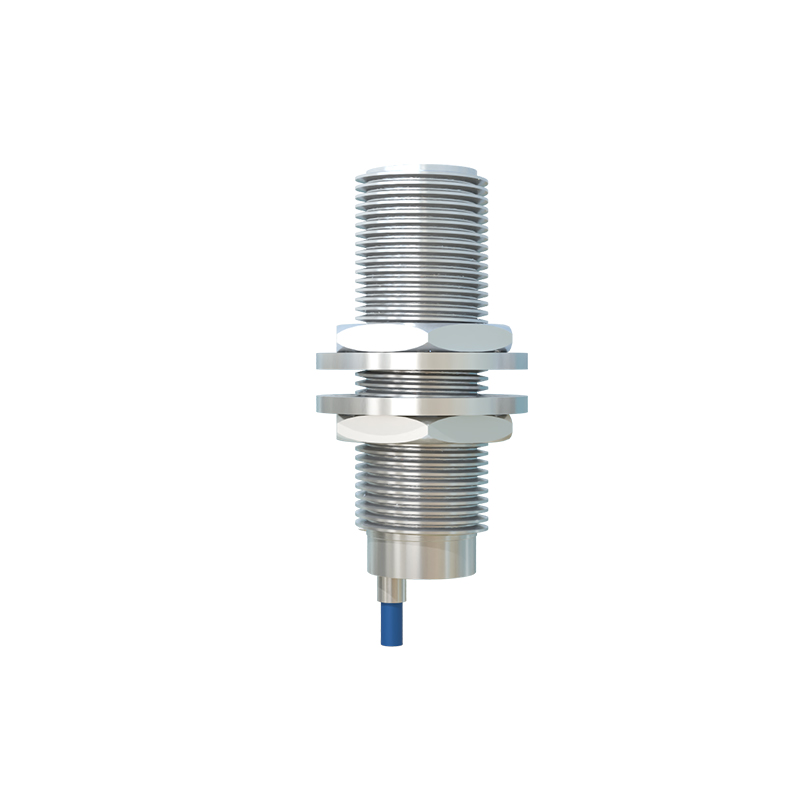
In conclusion, the proximity sensor in a door handle is far more than a convenience feature. It is a sophisticated interface that bridges human intent with electronic action. By enabling touchless access, bolstering security, promoting hygiene, and enabling elegant design, these sensors are quietly redefining a fundamental human interaction—opening a door—making it safer, more secure, and seamlessly integrated into our increasingly digital world. Their continued development will parallel advancements in material science, low-power electronics, and connectivity, ensuring their place as a critical component in the doors of the future.