In the rapidly evolving landscape of industrial automation, laser proximity sensors have emerged as critical components for precision detection and measurement. These sensors utilize laser technology to accurately gauge the presence, distance, or position of objects without physical contact, making them indispensable in sectors such as manufacturing, robotics, and logistics. As demand for high-accuracy and reliable sensing solutions grows, selecting the right laser proximity sensor supplier becomes paramount for ensuring operational efficiency and product quality.
Top-tier suppliers in this field distinguish themselves through advanced technological capabilities and robust product portfolios. Companies like Keyence, Omron, and Sick AG are renowned for their innovation in laser sensor design, offering devices with features such as ultra-fast response times, high resolution, and resistance to environmental interference. For instance, Keyence’s IL series provides sub-micron accuracy, ideal for applications in semiconductor fabrication, while Omron’s E3Z-LS models excel in harsh conditions with IP67 ratings. These suppliers invest heavily in research and development to integrate smart functionalities, including IoT connectivity and AI-driven analytics, enabling predictive maintenance and real-time data monitoring.
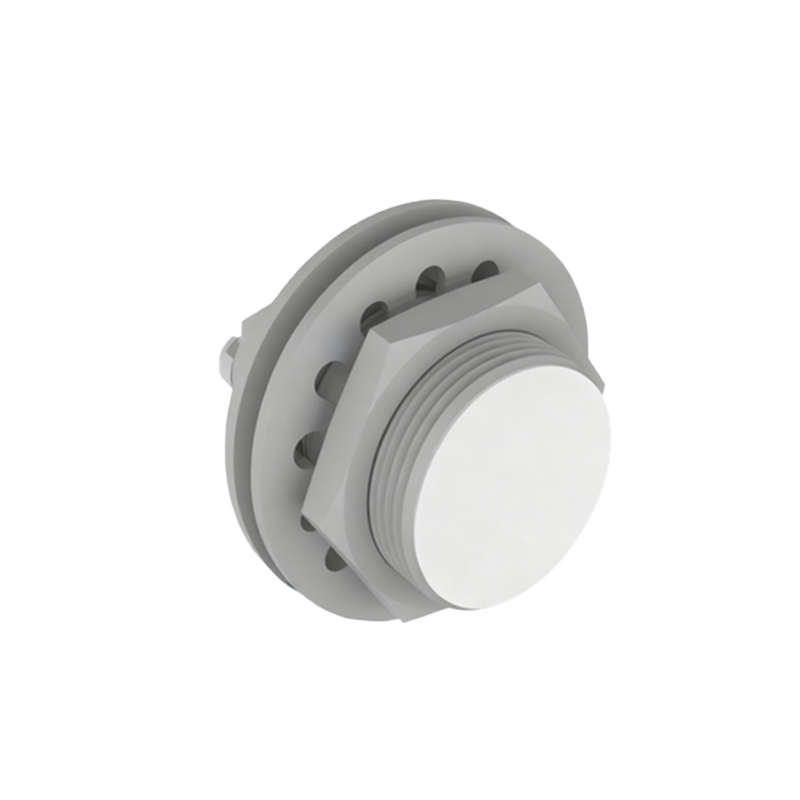
The supply chain for laser proximity sensors is global, with manufacturers operating across North America, Europe, and Asia. Regional expertise often influences product specialization; Japanese suppliers like Panasonic focus on compact, energy-efficient sensors for electronics assembly, whereas European firms like Leuze emphasize safety-rated sensors for automotive production lines. When evaluating suppliers, factors such as customization options, technical support, and compliance with international standards (e.g., ISO 9001, CE marking) are crucial. A reliable supplier not only delivers high-performance sensors but also provides comprehensive after-sales services, including calibration, troubleshooting, and training for end-users.
Industry applications showcase the versatility of laser proximity sensors. In automotive manufacturing, they are used for precise part alignment and weld seam tracking, reducing errors and enhancing throughput. In packaging, sensors ensure correct labeling and fill levels, while in aerospace, they monitor turbine blade clearances with extreme accuracy. Emerging trends, such as the adoption of Industry 4.0, drive demand for sensors with enhanced communication protocols like IO-Link and Ethernet/IP, allowing seamless integration into automated systems. Suppliers that anticipate these trends and offer scalable solutions gain a competitive edge in the market.
Challenges in the supply of laser proximity sensors include component shortages, geopolitical tensions affecting trade, and the need for sustainable practices. Leading suppliers address these by diversifying their sourcing strategies, implementing green manufacturing processes, and fostering long-term partnerships with clients. As technology advances, the future will likely see greater miniaturization, lower power consumption, and enhanced affordability, making laser sensors accessible to smaller enterprises.
In conclusion, the choice of a laser proximity sensor supplier hinges on a balance of innovation, reliability, and industry-specific expertise. By partnering with established manufacturers, businesses can leverage cutting-edge sensing technology to optimize processes, reduce downtime, and stay ahead in a competitive industrial environment. Continuous collaboration between suppliers and end-users will further drive advancements, ensuring that laser proximity sensors remain at the forefront of automation solutions.