In the realm of industrial automation and electronic systems, proximity sensing is a fundamental function. Among the various technologies available, infrared (IR) photoelectric proximity sensors stand out for their reliability, versatility, and non-contact operation. This article delves into the working principles, key characteristics, diverse applications, and critical selection criteria for these essential components.
At its core, an infrared photoelectric proximity sensor operates by emitting a beam of infrared light and detecting changes in the received light signal caused by the presence of an object within its sensing range. There are two primary operational modes: diffuse (reflective) and through-beam. In the diffuse mode, the sensor contains both an IR emitter and a receiver. The emitted light reflects off the target object and returns to the receiver. Detection occurs when the reflected signal intensity exceeds a predefined threshold. This mode is highly popular for its simplicity, requiring only a single unit for installation. The through-beam mode, also known as opposed mode, utilizes separate units for the emitter and receiver, positioned opposite each other. An object is detected when it interrupts the direct beam of light traveling from the emitter to the receiver. This configuration typically offers longer sensing distances and higher immunity to environmental interference, such as object color or surface finish, but requires precise alignment of two separate devices.
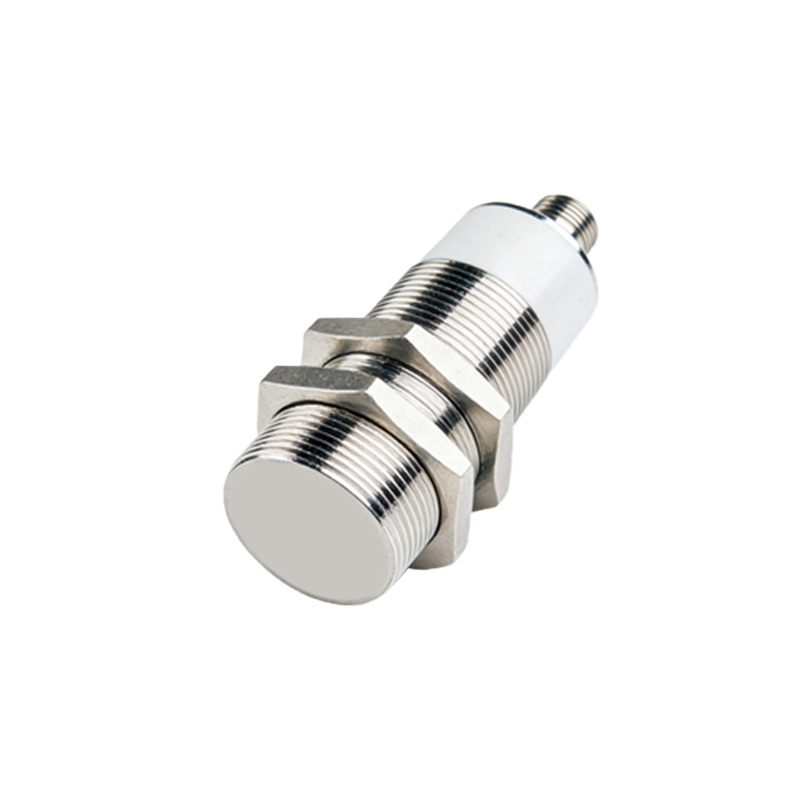
The performance of an IR proximity sensor is defined by several key parameters. Sensing distance, often specified as a nominal range, is crucial. It varies significantly between diffuse and through-beam types. Response time indicates how quickly the sensor can detect an object and change its output state, which is vital for high-speed automation. Another critical factor is the sensor's ability to discriminate between the target and background objects or ambient light. Modern sensors incorporate modulated IR light (often at a specific frequency) and corresponding synchronous detection circuits to reject ambient light from sources like sunlight or incandescent lamps, ensuring stable operation. The output type is also a major consideration; sensors provide digital outputs (PNP/NPN transistors), analog outputs (current or voltage proportional to distance), or IO-Link for smart, digital communication.
The applications for infrared photoelectric proximity sensors are vast and span numerous industries. In manufacturing and packaging lines, they are indispensable for object detection, counting, jam detection, and fill-level control. Their non-contact nature makes them ideal for detecting fragile items like glass bottles or delicate electronic components. In the automotive sector, they are used in assembly robots for part presence verification. Consumer electronics utilize miniaturized versions for touchless interfaces, screen proximity detection in smartphones to disable touchscreens during calls, and paper detection in printers. Furthermore, they play a role in security systems for intrusion detection and in commercial appliances like automatic soap dispensers and hand dryers.
Selecting the right infrared photoelectric sensor requires a careful analysis of the application requirements. First, determine the necessary sensing distance and choose between diffuse or through-beam design based on installation constraints and environmental factors. For challenging environments with dust, fog, or varying ambient light, sensors with robust housings (often rated IP67 or higher) and advanced modulation technology are necessary. The object's characteristics—its size, color, material, and surface texture—directly impact the effective sensing range in diffuse mode; dark, matte, or absorbent surfaces reflect less IR light. The required output signal (discrete on/off, analog, or networked) must match the controller's input capabilities. Finally, consider mechanical factors like housing shape (cylindrical or rectangular), connection type (connector or cable), and mounting options.
In conclusion, infrared photoelectric proximity sensors are a mature yet continuously evolving technology. Their ability to provide accurate, non-contact detection across a wide range of conditions makes them a cornerstone of modern automated systems. By understanding their operating principles and carefully matching sensor specifications to application demands, engineers and system integrators can ensure reliable performance, enhance operational efficiency, and enable innovative functionalities in countless devices and industrial processes. As Industry 4.0 and IoT trends advance, the integration of smart sensors with digital communication protocols like IO-Link will further expand their capabilities, providing not just detection but valuable diagnostic and process data.